How prepared is Vietnam for digital economy development, and what progress has been made so far?

Digital economy takes centre stage in Vietnam’s new growth model
Le Trung Hieu

In 2020, the Prime Minister approved a national digital transformation scheme under Decision No.749/QD-TTg. Its objectives are to develop digital government, the digital economy, and digital society, while fostering Vietnamese digital technology enterprises capable of competing and expanding into global markets.

The initiative prioritises the development of digital technology enterprises, shifting the IT sector away from assembly and outsourcing towards mastery of digital products and Industry 4.0 technologies. It also promotes digital content, creative industries, the sharing economy, e-commerce and smart manufacturing, while accelerating digital transformation within enterprises to strengthen competitiveness at both firm and economy-wide levels.

Given the increasingly important role of the digital economy in the local economy, the 2021 revised Law on Statistics introduced the indicator “share of digital economy value added in GDP” into the National Statistical Indicator System.

The content and publication cycle of this indicator are specified in Decree No.94/2022/ND-CP. Since 2023, the General Statistics Office, now the National Statistics Office, has compiled and published this indicator in accordance with regulations and will continue to do so in the forthcoming period.

What results have been achieved in the five years since implementing Decision No.749?

Compilation results for 2025 show that the digital economy continues to affirm its role as one of the key growth drivers of Vietnam’s economy, closely linked to the national digital transformation process.

The share of digital economy added value in GDP in 2025 is estimated at 14.02 per cent, equivalent to more than $72 billion, up 1.64 times compared to 2020.

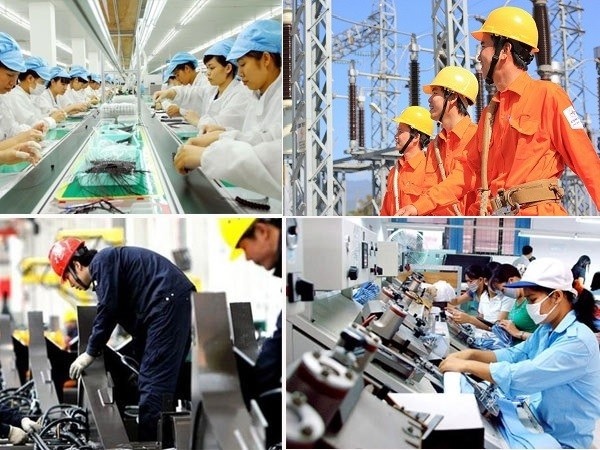
The digital economy has expanded in both breadth and depth. Core digital economy sectors account for over 60 per cent of total digital economy value, while the level of digitalisation across industries and sectors has continued to expand, particularly in trade, finance, public administrative services and energy infrastructure.

On average during the 2021-2025 period, the share of digital economy added value in GDP reached approximately 13.2 per cent, with core digital economy sectors contributing 8.13 per cent and the digitalisation of other sectors contributing 5.05 per cent.

These results reflect the initial effectiveness of the National Digital Transformation Strategy, the leading role of digital government, as well as the concerted efforts of all levels, sectors, the business community and citizens in developing the digital economy and digital society.

The core digital economy is seen as the backbone of the wider digital economy. How is this sector developing in Vietnam?

The core digital economy includes sectors such as the manufacturing of electronic products, computers and optical products; software publishing; telecommunications; computer programming; IT consultancy and related activities; data processing, hosting and portal activities.

According to statistics, in 2025, core digital economy sectors contributed approximately 8.4 per cent of GDP, equivalent to $43.3 billion, accounting for more than 60 per cent of total digital economy value.

Digitalised sectors – those using core digital economy products as production and business inputs – accounted for around 5.6 per cent of GDP, equivalent to $28.8 billion.

Some digitalised sectors with high digital economy added value include wholesale and retail trade applying digital technologies (e-commerce), accounting for about 12 per cent of total digital economy added value.

Service sectors applying IT in production, business and management have shown rapid growth, contributing to an increase in the share of digital economy from the services sector in the GDP from 6.5 per cent in 2020 to a little over 7 per cent in 2025.

This demonstrates the clear efforts of the government, ministries, sectors and localities in encouraging IT development and accelerating the digitalisation of economic sectors.

At the local level, how is the digital economy shaping regional growth dynamics in Vietnam?

In 2025, the digital economy became a significant factor, creating marked differences in growth among localities.

Among 34 provinces and centrally governed cities, four recorded a digital economy value-added share in regional GDP exceeding 20 per cent, including Bac Ninh at around 46 per cent, Thai Nguyen at almost 30 per cent, Haiphong at over 22 per cent and Phu Tho at close to 23 per cent.

The country’s two economic growth poles, Hanoi and Ho Chi Minh City, also reported digital economy shares of over 17 per cent and 13 per cent of GDP, respectively.

Localities with a high digital economy share are typically major destinations for foreign direct investment in high-tech industrial manufacturing, resulting in a large proportion of core digital economy sectors in regional GDP.

The disparity in the digital economy’s contribution to regional GDP reflects differences in industrial development levels, digital infrastructure, investment attraction capacity, and the extent of digital technology application in socioeconomic development across localities.

Resolution No.57-NQ/TW targets the digital economy contributing at least 30 per cent of GDP by 2030. In your view, is this target achievable?

During the 2021-2025 period, the digital economy emerged as a key pillar of the National Digital Transformation Strategy. E-commerce, digital payments, online services, smart logistics and data-driven business models all recorded strong growth.

In particular, the development of digital government – through electronic identification, national population databases and online public services – has created an important foundation for reducing transaction costs, enhancing transparency and strengthening digital trust.

These factors have directly contributed to the expansion of the digital economy’s scale, demonstrating the mutually reinforcing relationship between digital transformation and economic growth.

The digital economy serves as a central driving force for rapid and sustainable growth by improving labour productivity, renewing growth models, expanding market space, and enhancing service quality and living standards for the population.

The results achieved in 2025 demonstrate the strong commitment and high determination of the government, ministries, sectors, localities, the business community and citizens in developing the digital economy and digital society, in line with the spirit of Resolution 57.

New policy momentum powers Vietnam’s digital economy New policy momentum powers Vietnam’s digital economy

Vietnam’s digital transformation is entering a decisive new phase, as AI, 5G, and bold institutional reforms converge to propel the country towards one of the fastest-growing digital economies in the region, driven by strong government commitment and rising confidence from leading local tech enterprises.

5G and AI to shape next phase of digital economy 5G and AI to shape next phase of digital economy

The convergence of 5G and AI is expected to shape the future of industries and the next phase of digital economy growth in Vietnam.

Main drivers for Vietnam’s digital economy future Main drivers for Vietnam’s digital economy future

As businesses look to Vietnam for innovation and investment opportunities, understanding the forces shaping this evolving landscape has become crucial. Yves Vanderstraeten, vice chairman of the European Chamber of Commerce in Vietnam’s Digital Sector Committee, discussed with VIR’s Minh Anh the motivations propelling the digital economy.

At the customs-business dialogue meeting held by the Ministry of Finance in December, Ho Sy Hung, chairman of the Vietnam Chamber of Commerce and Industry (VCCI), noted that amid ongoing volatility both domestically and globally, the effective implementation of tax and customs policies is viewed by the business community as a critical factor in strengthening confidence, supporting recovery, and facilitating business activities.

Customs reforms strengthen business confidence, support trade growth
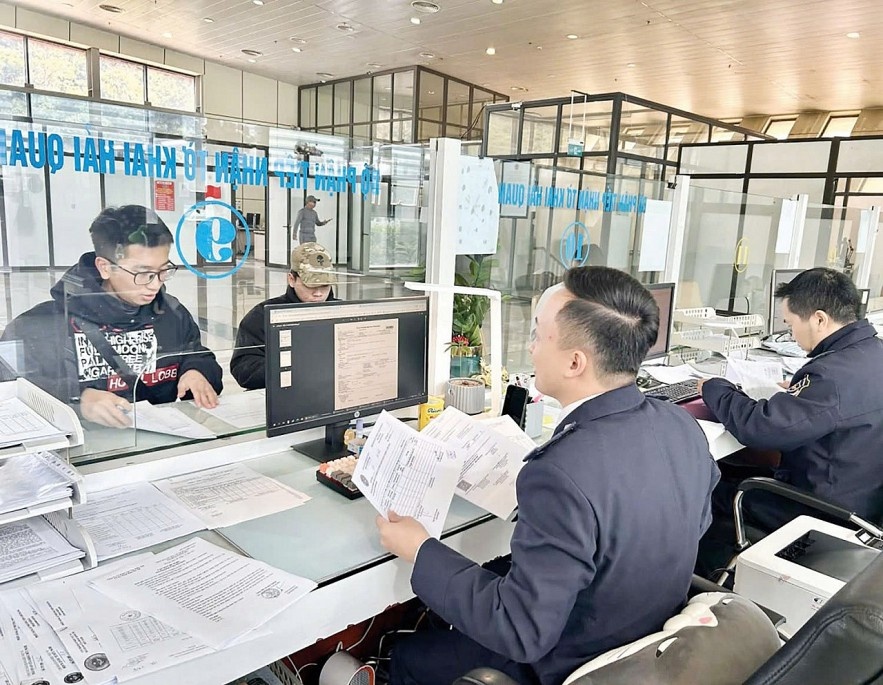
Customs officials help businesses complete export procedures. Photo: Hai Anh

“Businesses highly appreciate the fact that customs authorities regularly organise dialogues, training sessions, and direct consultations, helping policies quickly translate into practice and minimize compliance risks,” the VCCI leader stated.

Administrative procedure reform and digital transformation continue to serve as central pillars of customs management. In the customs sector specifically, a myriad of concrete results have been recorded, including significant reductions in business conditions, shorter processing times, and lower compliance costs for enterprises.

Notably, administrative procedures have now been fully integrated into the National Single Window Portal and the National Public Service Portal.

The Ministry of Finance, including the customs sector, has issued and implemented numerous timely and practical support policies, contributing to stronger confidence and economic recovery and growth, particularly through policy dialogue, which has proven to be an effective channel for accompanying business development.

Based on feedback gathered from enterprises and industry associations, recent customs reforms have demonstrated positive progress, especially in the application of new regulations that are better aligned with practical realities, and ensuring the simplification of procedures, and the acceleration of IT adoption.

Automated clearance systems, online public services, and digitalisation solutions have helped businesses shorten customs clearance times, reduce logistics costs, and enhance predictability in import-export operations.

Addressing expectations for deeper customs procedure reform, Hung noted that in the context of deeper international integration, customs reform needs to be further advanced in a more substantive, synchronised, and consistent manner. Firms hope that procedures will continue to be simplified, particularly in specialised inspection stages.

“With the customs sector’s strong reform commitment and constructive spirit, VCCI expects the customs sector to remain a reliable partner for businesses, contributing to the promotion of import-export activities, investment attraction, and the creation of sustainable growth momentum in 2026 and beyond,” he stressed.

Regarding the development and refinement of customs policies and legislation, Nguyen Thanh Hung, deputy director general of the General Department of Vietnam Customs, said in an interview with the media before the customs-business meeting that a series of important resolutions issued by the Politburo, such as those on the development of sci-tech, innovation and national digital transformation; on international integration in the new context; or on private sector development- have provided a solid political foundation for institutional reform in the customs sector.

“All new regulations are geared towards simplifying administrative procedures, encouraging the digitalisation of dossiers, and facilitating import–export activities, while still ensuring state management requirements and combating smuggling and trade fraud. Improving the legal framework is a crucial prerequisite for completely renewing operational processes and gradually building digital and smart customs in line with international standards and practices,” Hung noted.

A notable highlight in recent customs policy and legal development has been the strengthening of consultations and dialogue with the business community.

Customs authorities have implemented various consultation formats, including public consultations on official portals, coordination with the VCCI, domestic and foreign business associations, and targeted groups of enterprises directly affected by specific policies.

In 2026, in addition to routine tasks, the customs sector is conducting a comprehensive review of the Customs Law in connection with the requirements of building digital customs.

On that basis, amendments and supplements to several provisions of the Customs Law are expected to be proposed for submission to the Ministry of Finance for reporting to the government.

“The revision of the Customs Law aims to create a solid legal basis for the comprehensive digital transformation of customs management, internalise international treaties, strengthen decentralisation and delegation of authority, and further improve the legal system towards reform, procedural simplification, openness, and transparency, while ensuring consistency and coherence with related laws and international agreements to which Vietnam is a signatory,” Hung said.

Customs reform to prioritize high-tech and innovative businesses Customs reform to prioritize high-tech and innovative businesses

Au Anh Tuan, deputy director general of the Department of Vietnam Customs, outlines key changes to the Customs Law aimed at simplifying procedures and offering more incentives for high-tech, innovative, and semiconductor businesses, and helping to support supply chains and boost the startup ecosystem.

MoF pledges fair, transparent tax policies for Korean investors MoF pledges fair, transparent tax policies for Korean investors

The Ministry of Finance has held a dialogue with South Korean businesses, addressing tax and customs issues and pledging stronger support for investors.

Strengthening supply chains through trade promotions and customs reform Strengthening supply chains through trade promotions and customs reform

The Vietnam Trade Promotion Agency (VIETRADE) is focusing on building safe and sustainable supply chains for enterprises in the new geopolitical context.

At a conference held on January 22, the Ministry of Health (MoH) gathered feedback on a draft decree regulating cosmetics management, as part of efforts to modernise oversight and align it with current market realities.

Speaking at the event, Deputy Minister of Health Nguyen Tri Thuc underscored that cosmetics are essential consumer products which, beyond enhancing appearance, directly affect public health, consumer rights, and quality of life.

Cosmetics rules set for overhaul under draft decree
Photo: MoH

“Current practices pose many challenges to state management of cosmetics, as well as to the compliance with legal regulations by organisations and individuals producing and trading cosmetics,” he said.

Circular No.06/2011/TT-BYT on cosmetic management, issued 14 years ago, is considered outdated. As a result, on December 4, the MoH submitted a draft decree on cosmetic management to the government, incorporating feedback from multiple agencies and organisations on regulatory scope, product notifications, post-inspection, business conditions, and the balance between state oversight and a favourable business environment.

The draft aims to ensure consumer safety, promote voluntary compliance among businesses, and reduce the regulatory burden on management agencies.

Cosmetics rules set for overhaul under draft decree
Deputy Minister of Health Nguyen Tri Thuc. Photo: MoH

“The improvement of institutional frameworks and legal regulations prioritises protecting the health of the people,” said Thuc.

At the conference, experts and representatives from ministries, agencies, local health departments, and business associations shared scientific evidence and practical experience to inform the draft decree. Key discussions covered global and domestic cosmetic management practices, the draft’s constitutionality and feasibility, product declarations, and the certification of cosmetic manufacturing facilities in line with Good Manufacturing Practice standards.

They also exchanged views on potential issues that could arise if the draft decree on cosmetic management is approved, and proposed measures to address them.

The deputy minister called for further refinement of the draft towards a more modern and transparent framework, with a clear shift from pre-inspection to post-inspection and stronger accountability. He also stressed the need to align with international commitments, particularly the ASEAN Harmonisation Agreement on Cosmetic Management, and to reflect industry practices and development needs in the new phase.

The conference provides an important basis for the Ministry of Health to continue a thorough review of the draft, ensuring it is consistent, coherent, feasible, and aligned with the prime minister’s direction on administrative procedure reform.

French cosmetics retailer Sephora enters Vietnam French cosmetics retailer Sephora enters Vietnam

World-renowned cosmetics retailer Sephora has officially entered the Vietnamese market via an e-commerce channel, rather than through a traditional brick-and-mortar store.

Rohto-Mentholatum Vietnam takes over Naris Cosmetics Rohto-Mentholatum Vietnam takes over Naris Cosmetics

Rohto-Mentholatum Vietnam has completed the purchase and sale agreement and change of ownership of Naris Cosmetics Vietnam.

Korean cosmetics capturing hearts Korean cosmetics capturing hearts

Vietnam’s cosmetics segment is thriving as South Korean brands leverage the rising influence of its culture to meet the growing demand for high-quality beauty products.

DAV rolls out new plan to combat counterfeit drugs and cosmetics DAV rolls out new plan to combat counterfeit drugs and cosmetics

The Ministry of Health has ordered the recall of multiple cosmetics products after recent quality control failures, reaffirming its commitment to safeguarding public health.

Vietnam to lead trade growth in ASEAN

According to HSBC’s ASEAN Perspectives 2026 report on January 26, although there are fears over tariffs while the frontloading of export demand is set to pull back, ASEAN’s trade engines will endure. In fact, despite all the noise over tariffs, the region’s exports outperformed in 2025, it said.

The finer details suggest that this outperformance will likely be sustained, with ASEAN seeing its global market share in exports jump from approximately 7.4 per cent in 2023 to approximately 9.4 per cent by 2025, putting a floor under how much any easing in demand will weigh on the region.

This increase was neither driven by any boom in exports to the usual destinations like the US, China, or even intra-ASEAN, but by a broad-based increase in exports to the rest of the world. With the region seen as a “tariff haven” and a supplier of hardware to the AI boom, ASEAN has what it takes to endure any trade challenges in 2026 and still attract the overseas funding it needs to keep on going.

Against the backdrop, thanks to their domestic strengths and supportive policies, Vietnam, Malaysia, and Singapore are emerging as leading engines of trade growth in the region. Apart from their tenacious – but prudent – fiscal policy, their gains in trade have translated into gains in wages and jobs.

In Vietnam, the spillover effects of trade are clearly evident in the employment and consumer markets. With higher wages, retail sales in Vietnam grew 9.6 per cent on-year until November 2025. Confidence in the economy also persists, with credit growth in late 2025 still on the rise.

The report also pointed out that Vietnam is among the economies with the most impressive fiscal strength in the region, along with Indonesia, Malaysia, and Singapore.

With the public debt-to-GDP ratios low, Vietnam is pumping the fiscal irons in 2026, accruing fiscal deficits that are above their pre-pandemic averages. Vietnam is set to boost its infrastructure spending as it undergoes an expansive reform agenda, with a fiscal deficit-to-GDP target that is slightly above the pre-pandemic levels of approximately 4.1 per cent.

HSBC forecasts that Vietnam is expected to grow in line or above potential in 2026, and will witness robust wage growth, strong credit. and retail sales.

Vietnam’s GDP forecast to grow by 9 per cent in 2026 Vietnam’s GDP forecast to grow by 9 per cent in 2026

Vietnam’s real GDP is forecast to grow by 9 per cent in 2026, underpinned by an ambitious government agenda aimed at positioning the year as a critical to the country’s development trajectory, according to a report by KIS Research.

Exports cement role as central pillar Exports cement role as central pillar

Vietnam’s export prospects for 2026 remain positive on the back of recovering major markets, with attention increasingly shifting to value-added content and economic self-reliance.

Vietnam forecasts rice exports of 7.73 million tonnes in 2026 Vietnam forecasts rice exports of 7.73 million tonnes in 2026

Vietnam is expected to export around 7.73 million tonnes of rice in 2026, according to the Ministry of Agriculture and Environment (MAE).

Vietnam Airlines seeks aircraft through dry lease
Vietnam Airlines seeks aircraft through dry lease, photo Vietnam Airlines

Vietnam Airlines JSC is seeking to acquire aircraft under dry lease arrangements for its operation plan.

Aircraft Type: Used A320/A321 Ceo/Neo equipped with P&W engines.

Tentative Delivery Schedule: 2026–2027.

Preferred Lease Term (priority will be given to shorter lease terms):

Option 1 (applicable to A320/A321 Ceo/Neo): Up to three years

Option 2 (applicable to A321 Ceo/Neo): Up to six–eight years

Principals or mandated agents capable of and interested in offering Vietnam Airlines the above-required aircraft are invited to contact:

Fleet Development Office, Vietnam Airlines

Email: lanhuynh@vietnamairlines.com; gioidamquang@vietnamairlines.com; myvnc@vietnamairlines.com

Interested parties should provide the following information regarding the aircraft concerned: aircraft type and available quantity; aircraft specifications; tentative delivery schedule; indicative lease term and other relevant terms.

The airline will contact eligible respondents with further details or instructions for a potential bidding process. The related RFP is due to be issued in January 2026.

The partnership builds on the regional agreement announced by Carlsberg Asia and Grab, translating a shared ambition for safer celebrations in Southeast Asia into meaningful local action.

Central to this collaboration is a clear purpose: every celebration should end with a safe journey home. By combining Carlsberg Vietnam’s diverse portfolio with Grab’s extensive mobility ecosystem, the two companies aim to make responsible enjoyment a convenient, accessible choice for consumers nationwide.

The partnership also reinforces Carlsberg Vietnam’s long-standing commitment to its Zero Accident Culture, placing safety first at the core of both its operations and its engagement with consumers, in line with the group’s vision.

Carlsberg Vietnam and Grab encourage responsible enjoyment and safer mobility
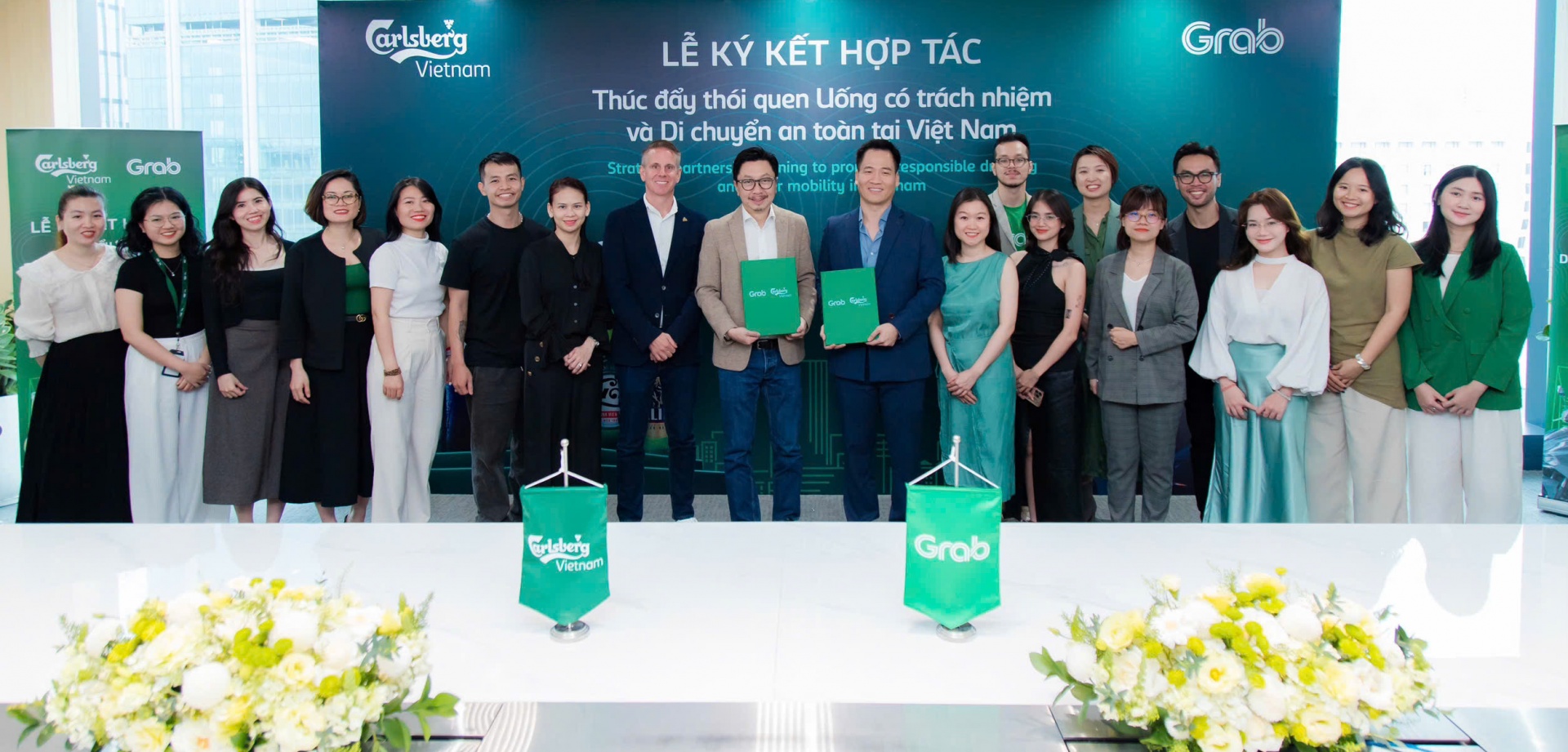
Representatives of Carlsberg Vietnam and Grab Vietnam at the MoU signing ceremony, marking a strategic partnership to promote responsible drinking and safer mobility in Vietnam

Under the MoU, Carlsberg Vietnam and Grab are advancing a collaboration that integrates responsible enjoyment across multiple consumer moments, channels, and brands.

The partnership brings together Grab’s digital ecosystem, including mobility solutions, media capabilities, and mobility-related incentives such as ride vouchers, with Carlsberg Vietnam’s on-the-ground execution through participating outlets nationwide.

Together, the two companies are embedding responsible drinking messages directly into consumption occasions, reinforcing the connection between enjoying beer responsibly and choosing safe mobility.

By leveraging Grab’s media and technology platforms, responsible enjoyment is communicated at key moments throughout the consumer journey. In parallel, Carlsberg Vietnam works closely with its outlet partners to turn these messages into practical actions, making safe journeys home more accessible and intuitive for consumers.

“Carlsberg Vietnam has always been about more than brewing great beer; it’s about creating meaningful moments of connection,” said Andrew Khan, managing director of Carlsberg Vietnam. “By partnering with Grab, we are making responsible enjoyment easier and more accessible. Alongside great beer experiences, we want consumers to feel confident that getting home safely is already part of the journey.”

Safety is deeply embedded in Carlsberg Vietnam’s culture. Across its brewery, offices, and sales teams, employees receive continuous safety training and are encouraged to take personal ownership of their own wellbeing and that of others. This culture supports the Carlsberg Group’s Together Towards ZERO and Beyond ambition, particularly the goal of a zero-accident workplace.

Employees are empowered to share safety observations openly, reinforcing transparency and shared responsibility. Company-wide initiatives such as the annual Health & Safety Day, alongside milestones like 1.4 million safe working hours during the Phu Bai Brewery expansion, demonstrate how safety and operational excellence progress hand in hand.

Grab is equally committed to encouraging safe mobility across Vietnam. The platform is built with safety-by-design features such as the in-app Safety Centre, Share My Ride, emergency assistance options, trip monitoring, and number masking. These features are complemented by driver-partner onboarding and refresher training, helmet and seatbelt reminders, and public-awareness messages that reinforce a simple rule: when you drink, don’t drive.

“Safety is not just a rule at Carlsberg Vietnam; it’s part of who we are,” Khan added. “From our Phu Bai Brewery to our sales teams and offices, every employee is encouraged to take responsibility for their own safety and for those around them. This mindset has guided the way we work for years, and it’s the same spirit we want to share with the communities that enjoy our beers. Through our partnership with Grab, we’re extending that mindset into everyday life, helping ensure every celebration ends as safely as it begins.”

Carlsberg Vietnam and Grab encourage responsible enjoyment and safer mobility
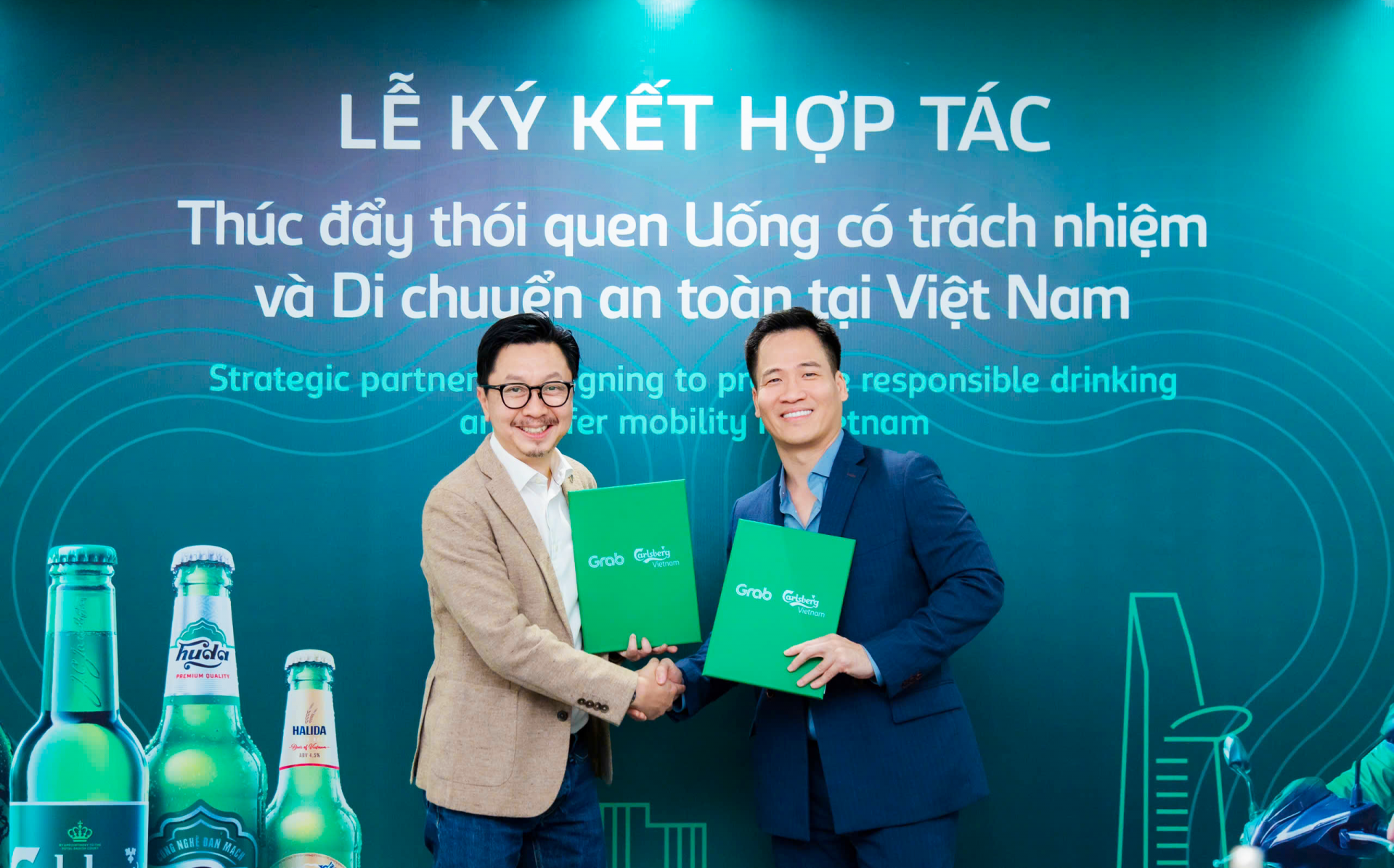
Managing director of Carlsberg Vietnam and country head of Grab Vietnam exchange the signed MoU to promote responsibility drinking and safer mobility in Vietnam

The partnership reflects Carlsberg Vietnam’s commitment to extending its safety mindset beyond the workplace, together with Grab Vietnam, into everyday consumer occasions.

Ma Tuan Trong, country head of Grab Vietnam, added, “As a platform that provides accessible and reliable services for millions of Vietnamese every day, Grab is proud to partner with Carlsberg Vietnam to advance responsible mobility. Together, we’re using technology to make safe travel choices easier and to remind everyone of a simple truth: when you drink, don’t drive.”

The Vietnam partnership builds on the broader Carlsberg Asia–Grab collaboration, which has been driving responsible enjoyment across Southeast Asia since its launch in late 2024. The regional initiative integrates Carlsberg’s premium beer experiences with Grab’s digital ecosystem, spanning mobility, food delivery, and dine-out services, embedding responsible drinking messages into everyday occasions.

Carlsberg Vietnam and Grab encourage responsible enjoyment and safer mobility
(From left to right) Arindam Varanasi, vice president of Commercial Asia, Carlsberg; Ken Mandel, regional managing director and head of GrabAds and Enterprise Customers; Russell Close, Global eCommerce director, Carlsberg; Jerry Lim, group managing director and regional head of Commercial & Support, Grab Sales & Support

For more than three decades, Carlsberg Vietnam has grown alongside the people and communities of this country, bringing world-class brewing standards, meaningful local engagement, and a commitment to sustainability and responsibility.

Through this partnership with Grab, that commitment extends even further. What begins with a shared toast can now end with a safe journey home – a small but meaningful action that reflects Carlsberg Vietnam’s enduring purpose of brewing for a better today and tomorrow.

Carlsberg offers excellence in Vietnam Carlsberg offers excellence in Vietnam

The inauguration of Carlsberg’s expanded Phu Bai brewery represents commitment to build a world-class supply chain in one of Asia’s most dynamic markets. Joy Rice, vice president for Supply Chain of Carlsberg Asia, shared her insights with VIR’s Van Mai on how operational excellence and sustainability go hand-in-hand, and what’s next for the group’s ambitions.

Carlsberg Vietnam accelerates drive towards net-zero emissions Carlsberg Vietnam accelerates drive towards net-zero emissions

As Vietnam advances towards its 2050 net-zero vision, businesses are expected to play a decisive role in enabling the country’s green transition. At the Green Economy Forum 2025, Carlsberg Vietnam shared how a long-standing foreign-invested enterprise is reshaping its operations and energy strategy to align with Vietnam’s sustainability goals.

Advancing the net-zero journey: Carlsberg Vietnam’s sustainability progress in 2025 Advancing the net-zero journey: Carlsberg Vietnam’s sustainability progress in 2025

As Vietnam accelerates its green transition and advances towards its national target of net-zero emissions by 2050, sustainability is increasingly shaping how businesses operate, grow, and create long-term value for society.

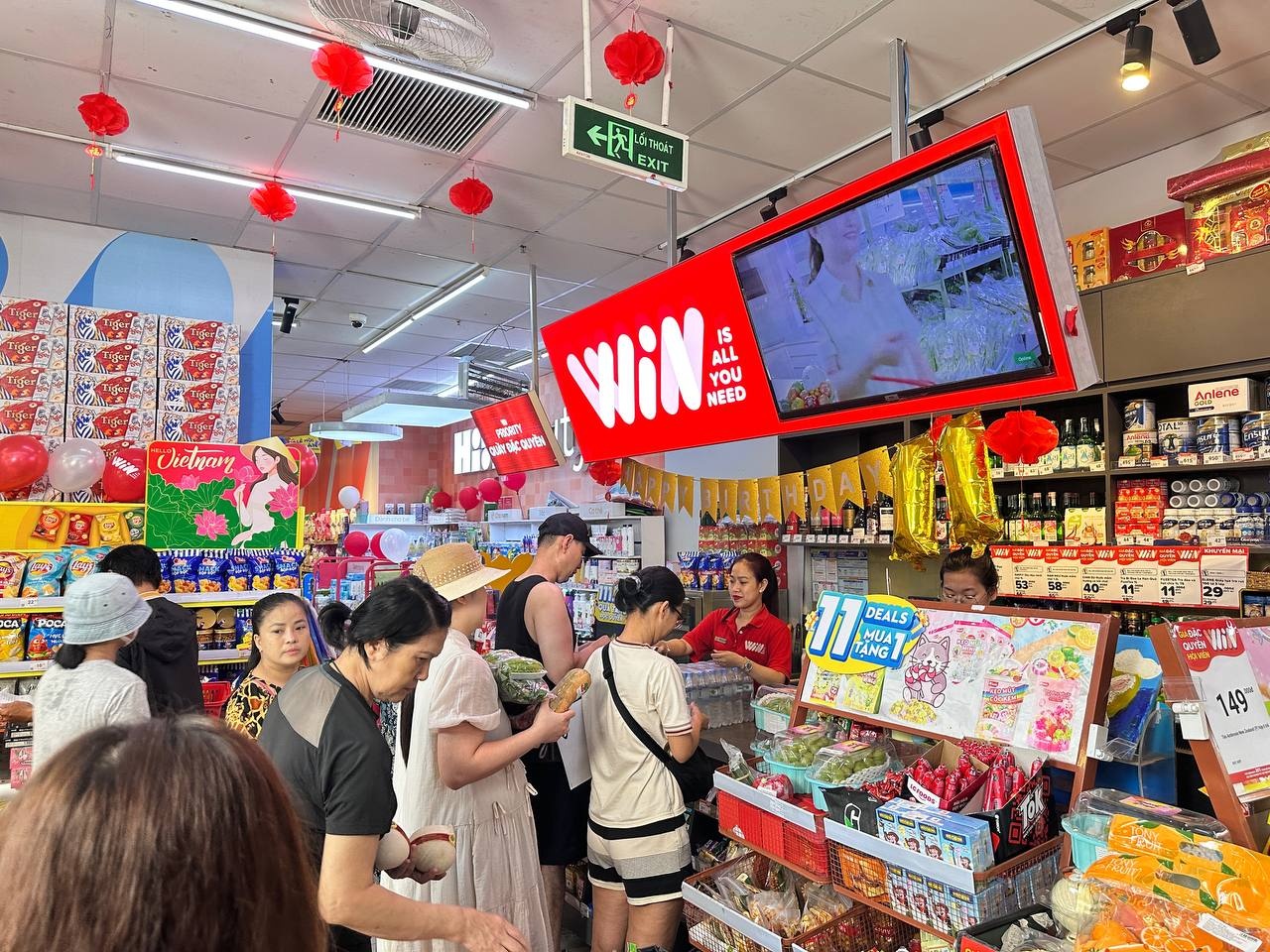
WinMart+ chain accelerates expansion into rural areas

At the end of the 2025 fiscal year, WinCommerce (WCM), the operator of the WinMart/WinMart+ chain, announced a report updating business performance, with growth indicators in revenue and points of sale exceeding planned targets.

2025 marked the strongest pace of new store openings since Masan Group took over the retail chain in 2019, signifying a shift in market share acquisition strategy, especially in rural areas.

According to the updated report in December, WCM posted a total net revenue of VND39 trillion ($1.48 billion) in 2025, up more than 18 per cent on-year. This result surpassed the revenue growth target of 8–12 per cent set at the beginning of the year.

The growth momentum remained stable until the last month of the year. In December alone, WCM recorded a revenue of VND3.56 trillion ($135.53 million), a 19 per cent increase on-year.

In 2025, the company not only scaled up operation, but also improved the operational efficiency of existing stores. Like-for-like revenue growth across the entire system climbed 9 per cent against 2024.

In terms of network scale, 2025 saw a surge in new store openings. WCM opened a total of 764 new stores, far exceeding its target range of 400–700 stores under both base and high-growth scenarios.

In December, the chain opened 161 new stores. This was the highest number of new store openings in a single month ever recorded. On average, a new store opened every 5 hours. As of the end of 2025, WCM operates 4,592 stores nationwide.

WinMart+ chain accelerates expansion into rural areas

Data analysing the structure of new store openings reveals a shift in geography and store model. There are 602 WinMart+ Rural stores out of 764 stores opened in 2025, accounting for nearly 80 per cent of the total new store openings.

Geographically, northern and central Vietnam were the two key focus areas for WCM’s expansion strategy.

The north recorded 409 new stores, while central Vietnam added 341 stores. Together, the two regions make up for 98 per cent of all new store openings during the 2025 fiscal year.

This strategic shift is underpinned by the significant potential of rural markets. According to data from the National Statistics Office and reports from the fast-moving consumer goods industry, over 61 per cent of Vietnamese population lives in rural areas. The rural retail market is estimated to be worth approximately $50 billion. However, modern, professional retailers have yet to establish a strong footprint.

WCM’s rural store model is designed with low investment costs, a product portfolio focusing on essential goods, and competitive pricing to suit the income levels of residents.

In practice, average daily revenue per rural WinMart+ store has improved from VND12.9 million ($490) to VND15 million ($570), based on data recorded in early 2025.

Efficiency and profitability

A highlight of the 2025 report is the quality of new store openings. Rather than pursuing scale alone, WCM reported that more than 90 per cent of new stores in 2025 surpassed breakeven of earnings before interest, taxes, depreciation, and amortisation at store level. This shows that network expansion is accompanied by financial efficiency, avoiding eroding profits from new, unprofitable points of sale.

A key factor supporting expansion into remote areas is logistics capability. Supra’s internal logistics system (launched in 2022), with its dry and cold storage clusters, has helped WCM reduce transportation costs by approximately 11 per cent for both general and fresh produce.

WinMart+ chain accelerates expansion into rural areas

Previously, 2024 marked a significant milestone when WCM achieved positive after-tax profit for the first time after restructuring, laying the financial groundwork for a large-scale expansion in 2025.

The rapid penetration of modern retail channels into rural areas is taking place as traditional channels, such as wet markets and small grocery shops, face growing challenges around food safety and customer experience.

Rural markets are witnessing the emergence of modern grocery stores operated by young shop owners. This group possesses a dynamic business mindset, applies technology, and has a deep understanding of local consumer habits.

According to Kantar Worldpanel Vietnam, traditional grocery stores still account for a large share of rural retail sales –approximately 72 per cent in 2024 – but this share is gradually declining as mini-supermarkets and convenience stores gain traction.

Industry experts believe that in the 2024–2026 period, modern retail chains such as WinMart focus on capturing market share in rural areas before the market becomes saturated.

In 2026, the retailer aims to open 1,000-1,500 new outlets, averaging four new stores opened daily.

WinCommerce posts net profit in third quarter WinCommerce posts net profit in third quarter

WinCommerce, the retail operator of WinMart and WinMart+ stores, recorded a profit for the first time since the COVID-19 pandemic, marking a pivotal achievement for Masan Group’s retail ambitions.

Masan poised to lead Vietnam's evolving consumer market Masan poised to lead Vietnam’s evolving consumer market

Rising disposable incomes and evolving consumption patterns in Vietnam present multi-billion dollar growth potential for businesses operating closed-loop retail ecosystems.

WinMart unveils “Russia Corner” – a unique destination for culture and shopping WinMart unveils “Russia Corner” – a unique destination for culture and shopping

WinCommerce, a member of Masan Group, in collaboration with Magnit Group and leading distributors, launched Russia Corner at WinMart Royal City in Hanoi on June 12.

Plastics packaging production, serving a wide range of industries such as electronics, automobiles, construction, healthcare, textiles, and consumer goods, plays a critical role thanks to design flexibility and the ability to optimise costs.

FDI momentum accelerates transformation of Vietnam’s plastics sector
Plastics enterprises require capital and financial partners with deep industry understanding to accompany them throughout their transformation

However, according to the Ministry of Industry and Trade, Vietnam’s localisation rate across supporting industries is currently only about 35 per cent, well below the target of 45-50 per cent set for 2030. Meanwhile, domestic demand and opportunities arising from global supply chain shifts are opening an enormous market gap.

Although some Vietnamese enterprises have mastered the production of complex components and high-tech plastic products, their number remains modest relative to market needs.

Technology constraints, heavy reliance on imported raw materials of up to 70 per cent, intense competition, and increasingly strict green standards are forcing plastics firms to accelerate their transformation more than ever.

“To participate in the global supply chain and provide components for foreign-invested enterprises in Vietnam, we must comprehensively upgrade, from technology application and production line modernisation to human resource development and smart financial management, all towards sustainable growth. At the initial stage, enterprises require significant upfront capital,” said Le Van Thanh, the chief accountant of a plastics component manufacturer supplying the healthcare sector from the southern province of Dong Nai.

Nguyen Van Hung, director of a plastics enterprise specialising in supplying components to FDI factories and exporting to the EU, noted that Vietnam has significant opportunities in the global supply chain, but capital pressure remains heavy. Imported raw material prices fluctuate with oil prices and exchange rates, while cash flow is often locked due to long payment cycles.

“On top of that, green standards from the US and EU require sizeable investment in new technologies and processes. What we need is not only capital, but a financial partner who understands the industry and can accompany us through this transformation.”

Financial leverage to enter the global playing field

With a deep understanding of the characteristics of the plastics industry, southern lender ACB has developed a full-cycle financial solutions ecosystem to help enterprises proactively manage resources, maintain uninterrupted production, and enhance their global integration capacity.

Regarding specialised solutions for plastics enterprises, a representative of ACB’s Corporate Banking Division stated, “We provide flexible working capital loans including unsecured facilities or options requiring as little as 30 per cent collateral. At the same time, we offer medium- and long-term financing to support investment in machinery upgrades and production expansion.

“For export-oriented enterprises, our trade finance solutions, such as expedited letter of credit issuance, pre-payment against export documents, contract guarantees, and payment guarantees, help ensure delivery schedules and enhance credibility.”

Why does rising FDI growth benefit Vietnam's plastic industry? (PR)
ACB delivers comprehensive solutions enabling plastics enterprises to step onto the global stage

ACB’s financial services ecosystem helps plastics enterprises optimise daily transactions.

For companies with frequent foreign-currency transactions, ACB offers FX rate lock-ins of up to 48 hours, reduced or waived international transfer fees, and fast processing via electronic documentation.

At the same time, enterprises can reduce financial pressure through exchange-rate and interest-rate hedging tools aligned with foreign exchange market movements.

For foreign-invested enterprises, ACB provides:

*Preferential credit packages with competitive interest rates, tailored to each development stage, from initial factory construction to medium-and-long-term expansion loans and working capital financing;

*Trade and export financing solutions, enabling firms to maximise tariff benefits from comprehensive new-generation free trade agreements like Comprehensive and Progressive Agreement for Trans-Pacific Partnership, EVFTA, and Regional Comprehensive Economic Partnership to expand markets and optimise capital costs;

*Multi-account liquidity management solutions to optimise global cash flows and foreign exchange risk prevention, well suited to cross-border supply chains, helping enterprises operate transparently, control import costs, and standardise financial processes.

Plastics manufacturing is also under considerable pressure regarding recycling obligations and green production standards.

In response, ACB has launched a green credit package of up to $200 million to support businesses in investing in energy-efficient machinery, recycling systems, and emission-reduction technologies, meeting environmental, social, and governance standards and the requirements of global partners.

By positioning itself as a bridge between incoming FDI and the upgrading of domestic suppliers, ACB aims to contribute meaningfully to Vietnam’s long-term economic growth.

For more information on financial solutions for plastics enterprises, please visit ACB branches and transaction offices nationally or contact the 24/7 centre on +84 28 38 247 247.

Plastic businesses report contradictory earning results Plastic businesses report contradictory earning results

While many plastic enterprises reported positive results in both revenue and profits in the fourth quarter of last year, there are still enterprises reporting a decline in profits, even suffering losses.

Binh Minh Plastics honored by Forbes Vietnam Binh Minh Plastics honored by Forbes Vietnam

Binh Minh Plastics JSC (BM PLASCO), an SCG member in Vietnam, was named as one of the 50 Best Listed Firms in 2022 by Forbes Vietnam.

ACB targets 16 per cent credit growth in 2025 ACB targets 16 per cent credit growth in 2025

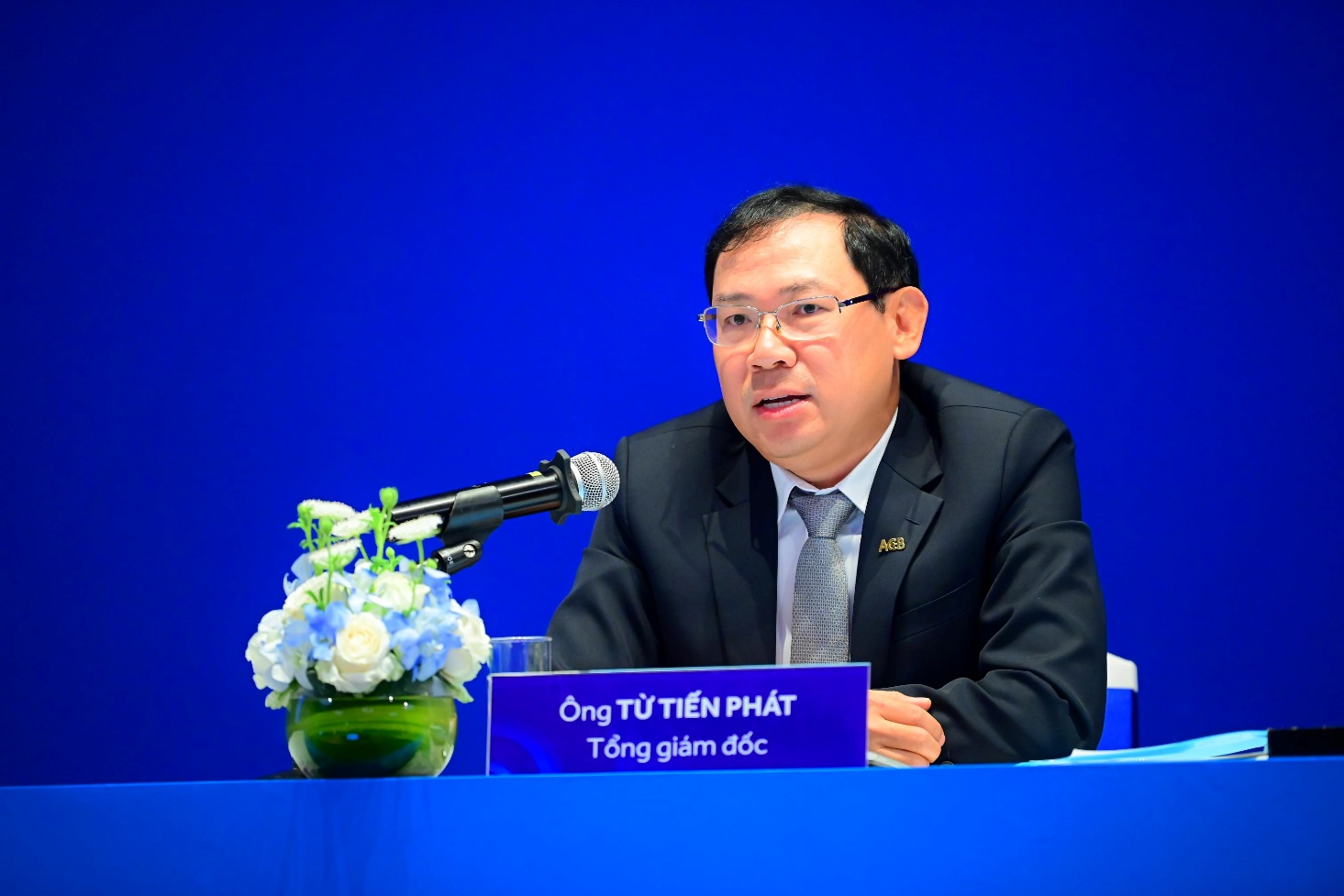
Asia Commercial Bank (ACB) successfully held its AGM 2025 on April 8, during which shareholders approved the bank’s business plan and other key matters for the year 2025 – a pivotal year in ACB’s 2025–2030 five-year development strategy.

This collaboration underscores a strong commitment from both organisations to foster digital transformation, enhance sustainable infrastructure, and meet the escalating demands of Vietnam’s digital economy in one of Southeast Asia’s most dynamic markets.

Siemens and VSIP announce landmark strategic partnership
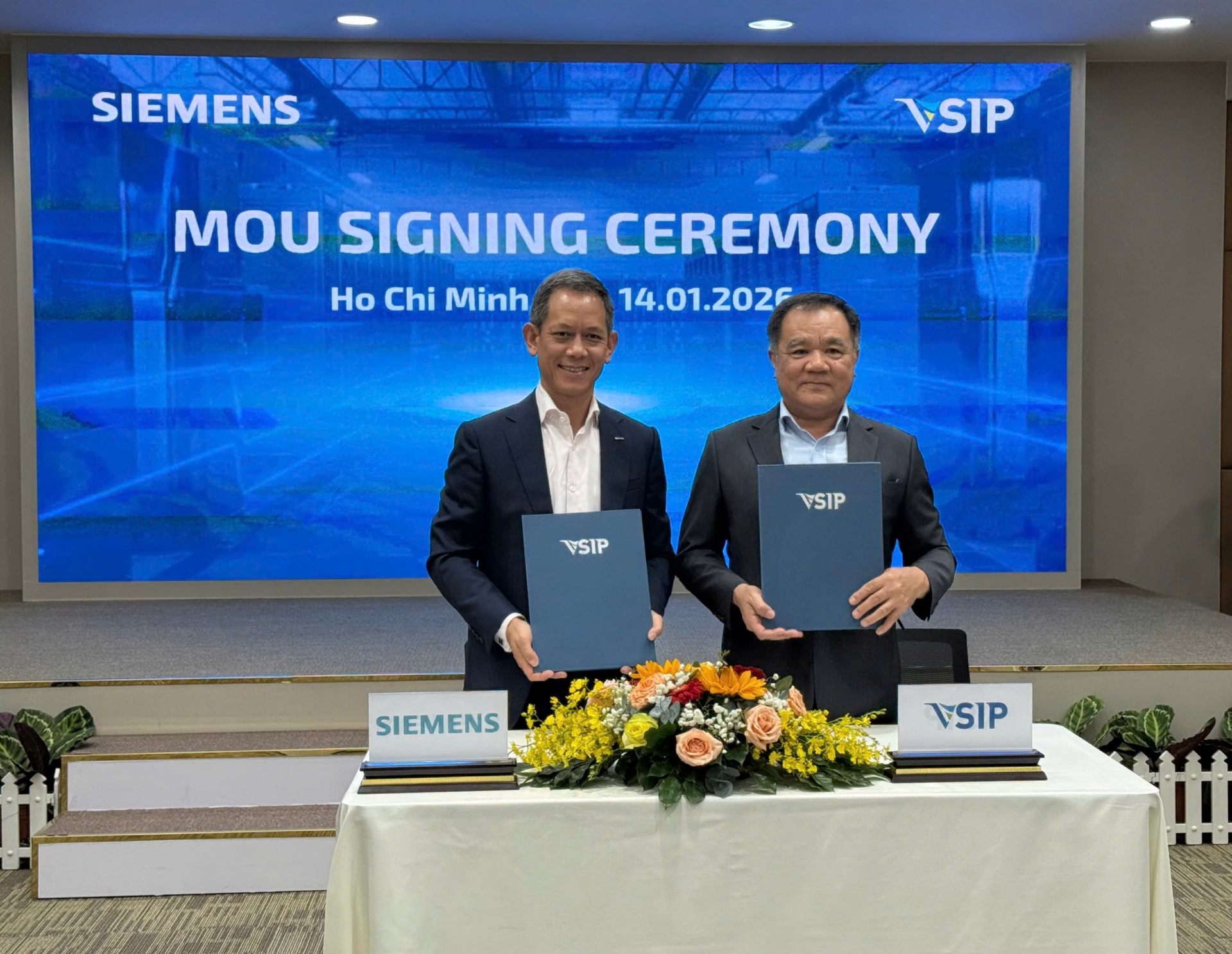
Nguyen Phu Thinh (right), general director of VSIP JV, and Pham Thai Lai, president and CEO of Siemens ASEAN and Vietnam, at the MoU signing ceremony

The non-binding MoU establishes a robust framework under which Siemens will leverage its global expertise and comprehensive technology portfolio to support VSIP in attracting, developing, and serving world-class data centre investors.

This initiative comes at a pivotal time as Vietnam’s digital landscape expands rapidly, driven by increased internet penetration, cloud adoption, and the proliferation of digital services across multiple sectors.

The partnership aims to position VSIP parks as prime destinations for next-generation data centre investments, offering a compelling ecosystem of advanced infrastructure and support.

As part of the agreement, Siemens and VSIP will explore opportunities for technical collaboration and knowledge exchange related to data centre development.

The cooperation is intended to support discussions on efficient, reliable, and sustainable data centre concepts and to align with broader sustainability objectives.

The foundation of this strategic alliance is built on a long-standing history of collaboration.

Siemens has maintained a strong industrial presence at VSIP Binh Duong since 2006, where its Siemens Busway Factory has been operating for nearly two decades.

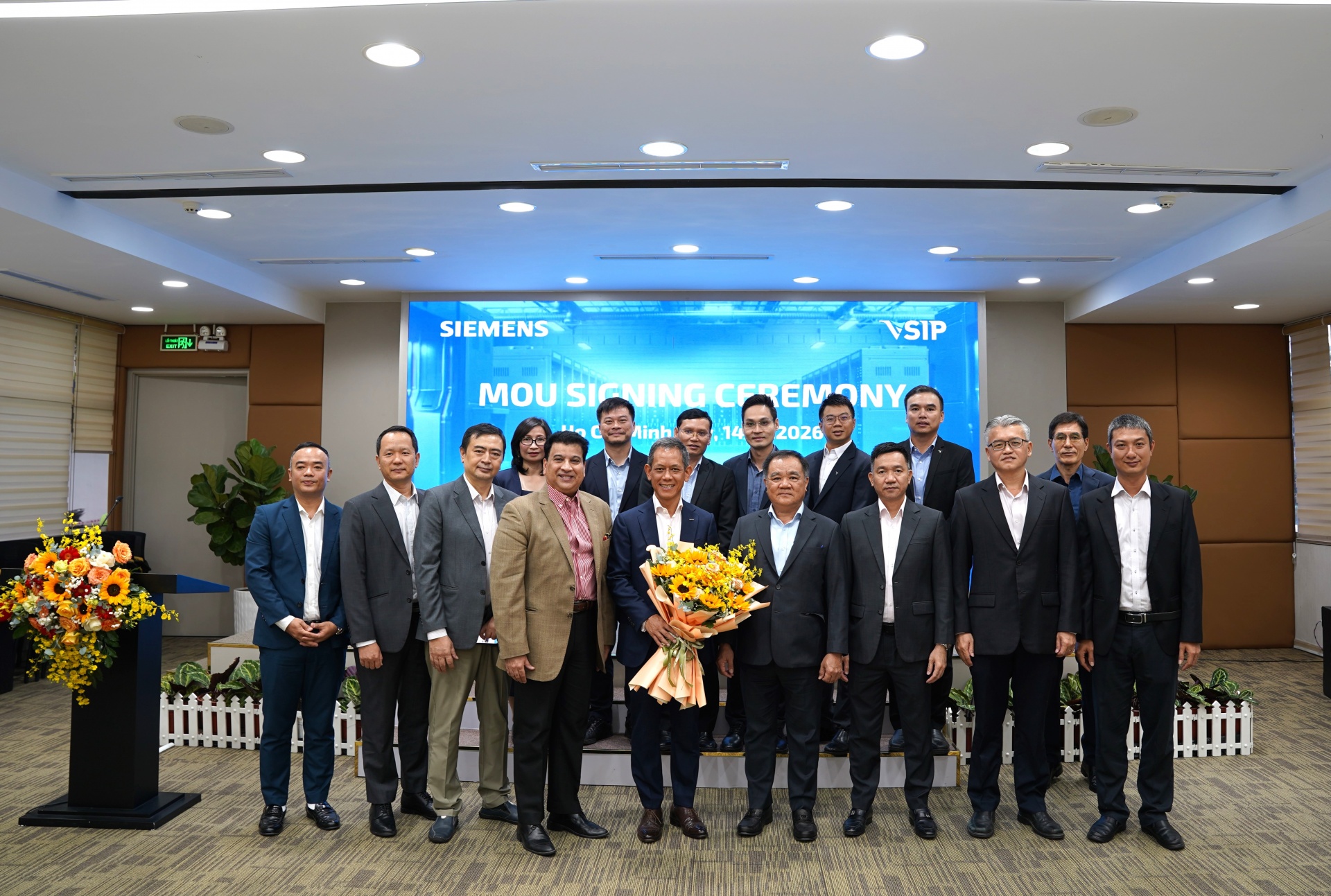
Siemens and VSIP announce landmark strategic partnership

This partnership reflects deep trust, successful cooperation, and a shared commitment to Vietnam’s industrial growth.

The sustained success of the Busway Factory within VSIP exemplifies Siemens’ dedication to local investment and demonstrates how its advanced manufacturing capabilities thrive in VSIP’s well-developed infrastructure and supportive business environment, making this data centre partnership a natural next step.

“We are incredibly excited to embark on this deepened strategic journey with VSIP, a partner with whom we share a rich history of successful collaboration and mutual trust. This partnership is a powerful testament to Siemens’ unwavering dedication to empower Vietnam’s digital future.

By integrating our comprehensive suite of advanced data centres, from reliable power infrastructure to intelligent building management systems, we are committed to enabling VSIP and its future investors to build highly efficient, resilient, and sustainable data centres,” said Pham Thai Lai, president and CEO of Siemens ASEAN and Vietnam.

“These facilities will not only meet the current demands but also be future-ready to support the evolving digital landscape of Vietnam, significantly contributing to the nation’s economic growth and technological advancement,” he noted.

Nguyen Phu Thinh, general director of VSIP JV, commented, “Our enduring partnership with Siemens has always been a cornerstone of our success as the leading industrial park and urban integrated townships developer. This strategic alliance for data centre development marks a pivotal step forward in our mission to attract high-tech investments and cultivate a thriving digital ecosystem across Vietnam.”

“The proven success and continuous operation of the Siemens Busway Factory within VSIP Binh Duong since 2006 stands as a meaningful testament to the strength and longevity of our collaborative spirit,” he added.

Harnessing technology for a sustainable future in Vietnam Harnessing technology for a sustainable future in Vietnam

Siemens is driving Vietnam’s green growth through digital innovation. From advanced automation to digital twin technology, the company industries helps boost efficiency, cut emissions, and build resilience. Thai-Lai Pham, president & CEO of Siemens ASEAN & Vietnam, shared with VIR’s Olivia Bui how company global sustainability strategies are shaping Vietnam’s transformation.

VinSpeed ​​and Siemens strengthen cooperation for high-speed rail development VinSpeed ​​and Siemens strengthen cooperation for high-speed rail development

VinSpeed ​​High-Speed ​​Railway Investment and Development JSC (a member of Vietnam’s leading conglomerate Vingroup) and Siemens Mobility signed a deal on December 17 in Hanoi, launching a broad cooperation for high-speed rail in Vietnam.

Siemens and NVIDIA expand partnership to build industrial AI operating system Siemens and NVIDIA expand partnership to build industrial AI operating system

Tech majors Siemens and NVIDIA on January 6 announced a significant expansion of their strategic partnership to bring AI into the real world.

These bright spots once again underscore the leading role of the state sector in promoting sustainable growth.

A notable example is State Capital Investment Corporation (SCIC), whose total revenue was estimated at $536.3 million, exceeding the annual plan by 12 per cent and rising 30 per cent compared to 2024.

Its net profit also surged strongly to around $448 million, equivalent to 128 per cent of the full-year target. In 2025, SCIC completed divestments from eight enterprises, generating proceeds of approximately $162.8 million.

State sector sees broad-based profit surge as major groups deliver strong results
Many state-owned businesses witnessed upbeat business outcomes in 2025

In terms of investment activities, SCIC disbursed about $414.9 million into key portfolios, including around $60 million in BIDV shares; using approximately $310.8 million to purchase additional shares issued by Vietnam Airlines; and spending about $40 million to raise charter capital at SCIC Investment Co., Ltd.

SCIC will continue to study opportunities to invest in equities and bonds of major banks such as Vietcombank, BIDV, and several other financial institutions.

In the finance-banking sector, state lender BIDV continued to affirm its position as the largest bank in Vietnam by assets, with total assets exceeding $130 billion by the end of 2025, up 20 per cent from 2024.

BIDV’s business performance recorded consolidated pre-tax profit of around $1.44 billion, up 12.5 per cent on-year, pushing return on equity (ROE) to 19.02 per cent, among the leading levels in the industry.

Capital mobilisation and outstanding credit balances also maintained positive growth, touching $96 billion and around $92 billion, respectively, while asset quality was tightly controlled with a non-performing loan ratio of 1.2 per cent.

Another bright spot was Vietnam National Chemical Group (Vinachem), with estimated industrial production value of approximately $2.46 billion, up 10.3 per cent on-year.

The group’s consolidated revenue approximated $2.57 billion, an increase of 8 per cent, while pre-tax profit was estimated at $154.4 million, soaring 73 per cent.

Profits at several Vinachem member units saw breakthrough growth, such as up 3.5 times at DAP – Vinachem JSC, up 2.6 times at DAP No.2 JSC, and up 2.5 times at Ninh Binh Phosphate Fertiliser JSC.

The parent company Vinachem cleared all accumulated losses, reaching this milestone six months ahead of the 2021-2025 plan.

Riding the same positive momentum, Vietnam Railways (VNR) reported consolidated revenue in 2025 of around $428 million, up 10 per cent from 2024. Its consolidated profit approximated $5.6 million, an increase of 5.3 per cent.

The parent company’s revenue alone amounted to $121.2 million, up 10.2 per cent. Entering 2026, VNR will focus on two strategic tasks: ensuring safe operations of its existing network and preparing resources to receive new railway lines, striving for double-digit growth and beyond.

The list of profitable state-owned businesses also included the strong recovery of Vietnam National Cement Corporation (Vicem), with pre-tax profit of around $11.5 million, officially returning to profitability.

Vietnam Rubber Group likewise recorded positive results, with estimated pre-tax profit of approximately $277.2 million, up nearly 24 per cent on-year.

Earlier, major players such as Vietnam National Coal and Mineral Industries Holding Corporation (Vinacomin), Vietnam Posts and Telecommunications Group (VNPT), and Vietnam National Textile and Garment Group (Vinatex) had also announced upbeat financial figures, further consolidating the strength of the state sector.

These achievements vividly demonstrate the spirit of Resolution No. 79-NQ/TW dated January 6, 2026, of the Politburo on the development of the state economy, affirming a renewed vision: state-owned enterprises are not only a key force but also a macroeconomic regulatory instrument, playing a leading and pioneering role for other economic sectors.

State-owned enterprises are closely associated with the mission of taking the lead in building strategic infrastructure and ensuring energy and food security.

By promoting greater autonomy and clearly separating state management from corporate governance, state-owned enterprises are becoming strong economic groups, contributing to ushering the country into a new era of growth, building an independent and sustainably developing economy.

The 2023 tipping point for public investment The 2023 tipping point for public investment

It is anticipated that public investment will be further encouraged during 2023, signalling a significant advance for both the real estate sector and overall economic growth.

Greener investment streams to propel real estate sector Greener investment streams to propel real estate sector

A surge in green capital is widely expected to provide a boost to Vietnam’s real estate market. Nguyen Ly Thanh Luong, lead analyst for Credit Rating Agencies at Vietnam Investors Services, spoke with VIR’s Hoang Minh about the sector’s potential.

Outlook for Vietnam’s interest and exchange rates remains cautious Outlook for Vietnam’s interest and exchange rates remains cautious

Economist Le Xuan Nghia provides an in-depth look at the factors shaping Vietnam’s interest and exchange rate trends as 2025 draws to a close.