Amid the bright stage lights, pounding bass, and the enthusiastic cheers of the audience, Den appears with the limited-edition Number 1 bottle in vivid yellow, which shines like the flames of passion. The release of Number 1 and Den’s commercial creates a strong impression, marking a combination full of energy and strong Vietnamese spirit.

This campaign is not just a collaboration between the brand and the artist, it represents a harmonious meeting of two sources of energy: Den and Number 1. Sharing the same aspirations, both brought the message “Fuel the energy, persist your passion”. The phrase is not only a slogan but also a wave of strong emotions, touching the hearts of millions of young people filled with passion and aspirations.

“During 15 years of rapping, Den has constantly embarked on a journey full of passion,” Den said in a heartfelt, rustic voice capturing the essence of a long journey of perseverance.

From small stages for underground rappers to brilliant performances in front of thousands, Den performs each song with the mark of a steadfast journey, where will and belief blend into music, lighting a flame that never goes out.

The journey of Number 1 Energy Drink and rapper Den inspires passion
Den and Number 1 have created a collaboration touching the youth with the message “Fuel the energy, persist your passion”.

Unyielding perseverance is also the DNA of Number 1, a Vietnamese brand that has been energising millions of Vietnamese people for over 20 years. Whether students, drivers, workers, or young entrepreneurs, everyone who holds a Number 1 bottle shares the same spirit, perseverance, burning passion, and the will to constantly move forward and conquer.

When energy meets passion, the flame spreads across Vietnam

“Persist your passion” is not only a message but also a way of life. Amidst the fast pace of modern life, filled with deadlines and burnout, young Vietnamese people still prove a simple but powerful thing: no one can go fast forever, but anyone can go far with enough perseverance.

The journey of Number 1 Energy Drink and rapper Den inspires passion
Many young people recharge with Number 1 to overcome challenges, thereby becoming their better versions

In a small room in Thu Duc, Ngoc Lan, a graphic design student, focuses on her drawing at midnight. Next to the laptop is the limited-edition Number 1 bottle in vivid yellow, reflecting her eyes filled with belief and aspirations. “When looking at “Persist your passion”, I am motivated to try a little harder,” Lan said.

On a long journey through the night, truck driver Khuong Duy turns on Den’s music while his hands grip the steering wheel. Streetlights reflect through the windshield, and the vivid yellow of a Number 1 bottle glows like a source of energy, helping him keep a firm grip on the wheel and steadily conquer every mile.
The journey of Number 1 Energy Drink and rapper Den inspires passion
Number 1 energises and inspires passion among millions of Vietnamese people every day

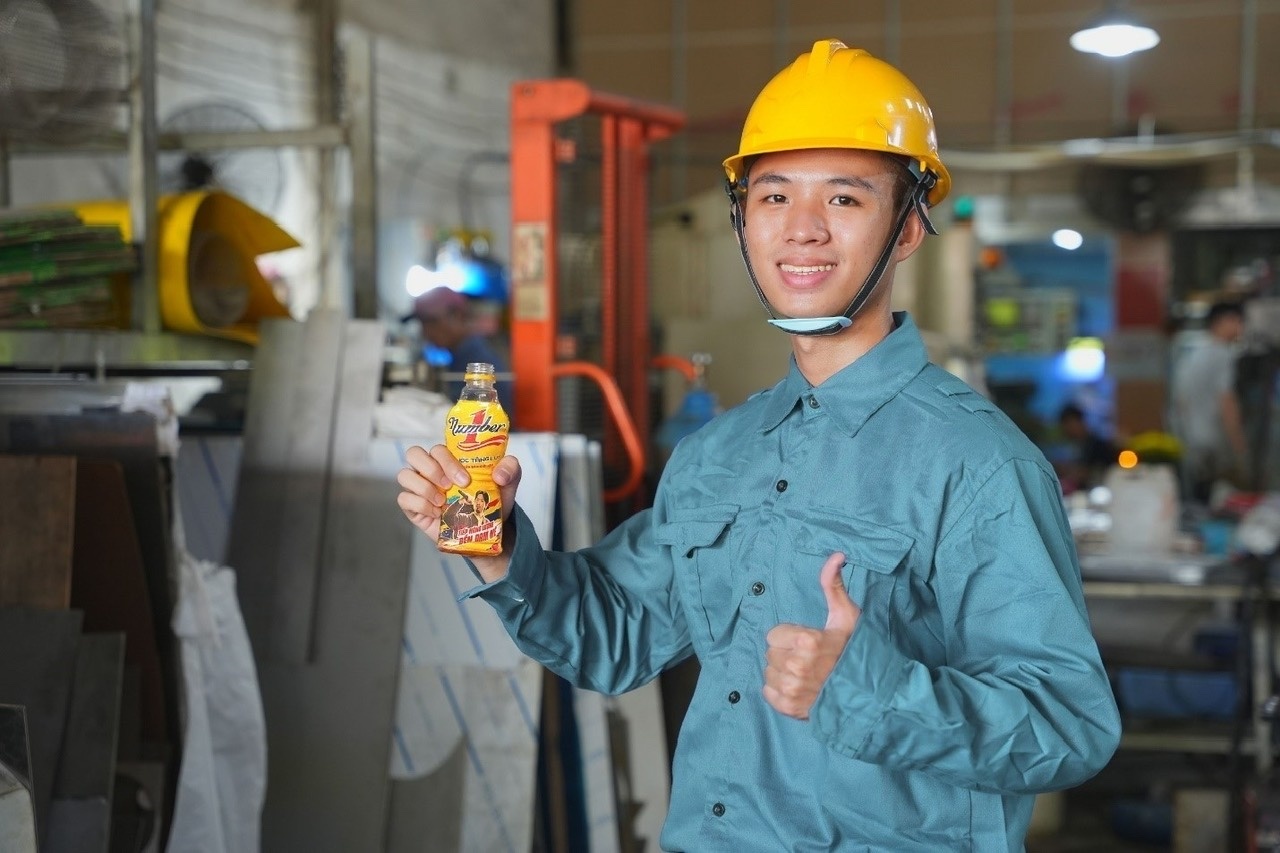
In Binh Duong, during a night shift at a factory, Quang Liem, a worker, looks up from the hum of machines.

He takes a sip of Number 1, feeling the energy spread through his body. “I have to try a little harder for a better future for my child,” he tells himself.

In Danang, in a small kitchen filled with the scent of freshly baked cakes, Thao Vy stands before her oven, light reflected on her face filled with determination.

“With Number 1 by my side, I believe every new beginning is worth it,” she says, her smile glowing with faith in the journey ahead.

The journey of Number 1 Energy Drink and rapper Den inspires passion
Number 1 energises and ignites passion to help Vietnamese people pursue their goals and shine on their own journeys

From brilliant stages to nighttime roads, from rented rooms and factory sites, to the dreams of young entrepreneurs, the flame of “Persist your passion” is spreading across Vietnam.

Wherever there are young people who dare to dream, dare to act, and stay steadfast in their pursuit, there is Number 1, energising, inspiring passion, and stoking the Vietnamese spirit. It fans the flames of millions of Vietnamese people living to their fullest and persistently moving forward to conquer their dreams.

Among those flames, Number 1 is a symbol that never goes out but persistently provides energy and ignites passion so that every Vietnamese person can become a better version of themselves.

Digital transformation at Tan Hiep Phat: Change is a must for survival Digital transformation at Tan Hiep Phat: Change is a must for survival

As the fourth wave of the COVID-19 pandemic has wreaked havoc on the economy and businesses alike, Tan Hiep Phat has made efforts to survive the tough time by accelerating digital transformation.

Tan Hiep Phat awards 200 scholarships to disadvantage students in Binh Duong Tan Hiep Phat awards 200 scholarships to disadvantage students in Binh Duong

On October 28, Tan Hiep Phat, Vietnam’s leading beverage manufacturer, joined forces with Binh Duong Youth Union to award 200 scholarships to underprivileged students.

Tan Hiep Phat - 30 years of perseverance and breakthroughs Tan Hiep Phat – 30 years of perseverance and breakthroughs

Overcoming challenges, many beverage businesses have affirmed their breakthrough with synergy coming from a chain of links that have been persistently built over decades.

On October 29, the telecom giant announced its consolidated financial results for the third quarter of 2025, posting $440.5 million in revenue from sales and services – up 27 per cent on-year. After-tax profit reached $158 million, a near 570 per cent surge that marks Viettel Global’s highest-ever quarterly profit and its eighth straight quarter of revenue growth above 20 per cent.

Viettel Global sets new profit record with sustained overseas growth

All of Viettel Global’s overseas markets posted strong revenue growth in the third quarter. Viettel Tanzania led with a 46 per cent increase, followed by Viettel Haiti at 32 per cent and Viettel Myanmar at 31 per cent. Markets where Viettel holds a dominant position, such as Burundi and Lumitel – with market shares exceeding 70 per cent – also saw a 40 per cent surge.

In more mature markets like Cambodia, Timor-Leste, and Laos, the company maintained steady growth of 16, 14, and 12 per cent, respectively. Viettel continues to consolidate its telecommunications leadership while expanding into digital services. E-wallet platforms also recorded strong gains, with U-Money in Laos up 64 per cent, Halopesa in Tanzania 45 per cent, e-Money in Cambodia 44 per cent, Mosan in Timor-Leste 38 per cent, e-Mola in Mozambique 36 per cent, and Lumicash 32 per cent.

In the first nine months of 2024, Viettel Global’s net revenue reached $1.21 billion, up 24 per cent on-year. After-tax profit climbed to $282 million, more than double the same period last year.

Viettel Global’s revenue and profit continued to rise alongside a significant expansion in assets. As of September 30, its total consolidated assets reached $2.8 billion – up $396 million, or 16 per cent, from the beginning of the year.

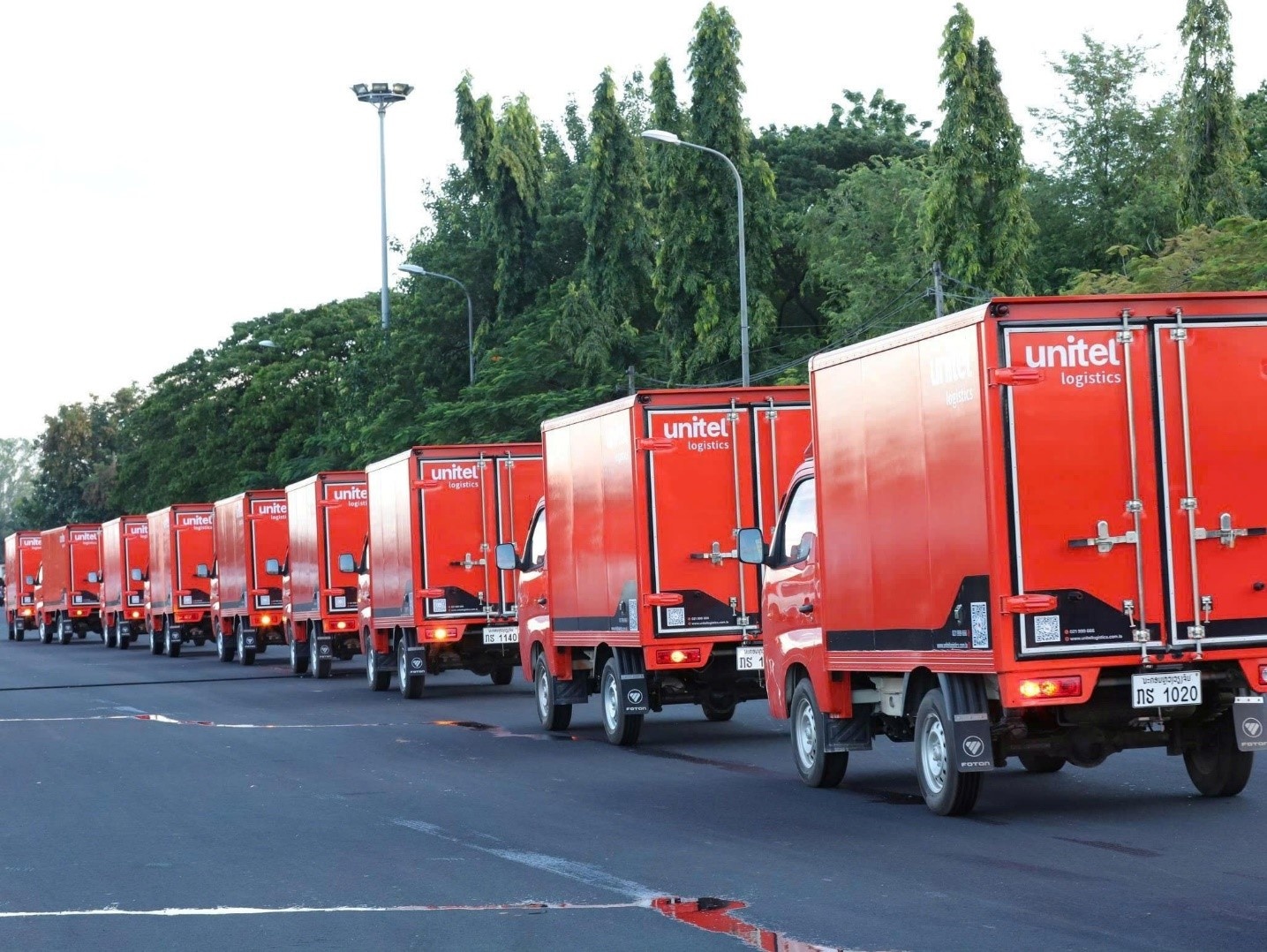
In October, Unitel, Viettel Global’s subsidiary in Laos, launched Unitel Logistics, expanding into technology-driven logistics services. The move strengthens Unitel’s position as a key player in Laos’s digital transformation and stands as a model for economic and defence cooperation between the two countries. It also marks Viettel’s strategic push to create new growth opportunities beyond traditional telecommunications.

Viettel Global sets new profit record with sustained overseas growth

The third quarter also marked a major milestone as Viettel became the first network operator in Timor-Leste to launch 5G services. The launch, held during the Telemor Expo in late August, was attended by Prime Minister Kay Rala Xanana Gusmão along with senior government officials.

With strong business performance and continued expansion of its investment portfolio, Viettel Global is reinforcing its position as Vietnam’s leading international telecommunications group, maintaining solid growth momentum and a robust financial foundation for long-term development.

Viettel Global reports widespread growth for 2024 Viettel Global reports widespread growth for 2024

Viettel Global (VGI) achieved strong growth in consolidated revenue and profit last year, according to its 2024 audited consolidated financial report released on March 28.

Viettel Global records 22 per cent Q1 revenue growth Viettel Global records 22 per cent Q1 revenue growth

Viettel Global on May 5 revealed revenue growth of 22 per cent via its audited consolidated financial report for the first quarter of 2025.

Viettel Global posts Q2 net profit of $91.14 million Viettel Global posts Q2 net profit of $91.14 million

Viettel Global (VGI) released its consolidated financial statement for the second quarter of 2025 on July 29, highlighting continued impressive growth in both revenue and profit.

Aligned with Vietnam’s ambition to rank among the world’s top 30 countries for innovation and digital transformation by 2045, Michelin is pioneering the application of AI and data analysis in the tyre industry. The company aims to redefine mobility by integrating technology that enhances safety, efficiency, and sustainability across its operations.

By leveraging vast datasets and advanced algorithms, Michelin can extract insights from usage patterns and customer behaviour, turning data into actionable solutions. This capability allows the group to design smarter products and services while delivering greater value to its customers worldwide.

Michelin has integrated three data-driven companies – Sascar in Brazil, Nextraq in the US, and Masternaut in Europe –under the Michelin Connected Fleet brand. Together with its ‘tyre-as-a-service’ model, these operations manage more than one million contracted trucks and vans, providing a valuable data network for fleet management customers.

One key innovation, the Smart Predictive Tyre solution, uses sensors and advanced analytics to monitor tyre conditions in real time and predict potential issues before they occur. This helps businesses reduce downtime, lower fuel costs, and cut CO₂ emissions. Recognised for its strong contribution to safety, performance, and sustainability, the solution received the I-Innovation Award at the SOLUTRANS international exhibition in 2023.

Michelin drives sustainable mobility with AI and innovation
Michelin’s Smart Predictive tyre solution received the I-Innovation Award at SOLUTRANS

Michelin is harnessing AI to develop robotic systems for handling complex flexible composites, further enhancing efficiency and precision in production. To accelerate AI integration across its global production facilities, the Group has partnered with Microsoft to deploy digital solutions that optimise energy management and reduce emissions – key steps towards achieving net-zero by 2050.

Under its All Sustainable vision, Michelin targets 40 per cent renewable or recycled materials in production and a 50 per cent reduction in CO₂ emissions from 2010 levels by 2030. By 2050, it aims to reach 100 per cent sustainable materials, achieve carbon neutrality, and ensure all natural rubber used is deforestation-free.

The company is also advancing mobility safety and efficiency through connected solutions, tyre inspection technologies, and data-driven insights to improve road infrastructure.

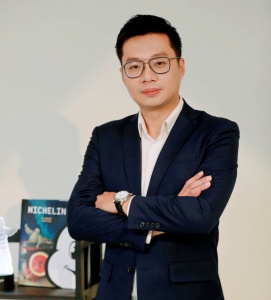
Jason Tan Jing Shen, managing director of Michelin for Vietnam, Cambodia, Myanmar, and Laos noted, “We will achieve this by building and empowering a world-class organization: one that champions a sustainable tomorrow through our innovations, nurtures talent, and advances sustainability. Together, we will deliver and create lasting value for our consumers, customers, partners, employees, society, and planet – fully aligned with our ‘All-Sustainable’ approach of People, Profit, Planet.”

In Vietnam, Michelin has cut CO₂ emissions by more than half through greater use of sea freight and renewable energy. The company has also eliminated plastic packaging for motorcycle tyres – saving over 300 tonnes of plastic annually – and reduced more than 3,700 tonnes of CO₂ each year through biomass boilers and solar power at its Binh Duong plant.

Michelin drives sustainable mobility with AI and innovation
Operating model reflecting Michelin’s ‘All-Sustainable’ vision

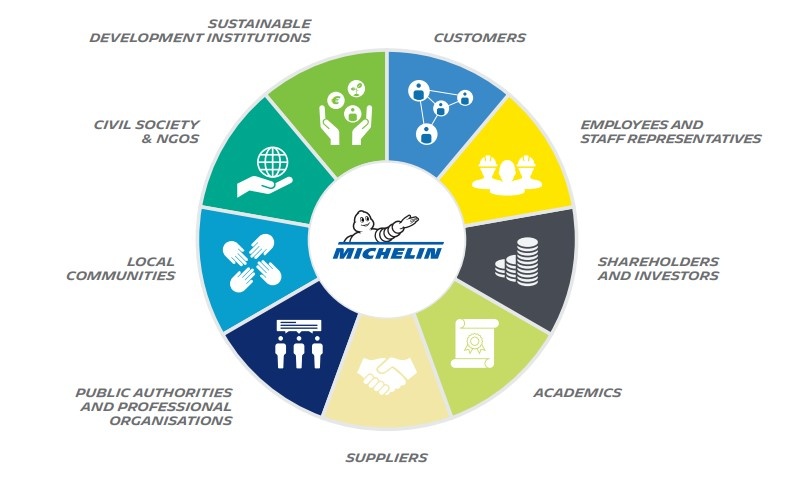
Guided by its core values of respect for facts, people, customers, shareholders, and the environment, Michelin is pursuing a balanced approach to sustainability, aligning every decision around ‘People, Profit, and the Planet’.

In the tyre sector, the Group focuses on premium segments – from cars and two-wheelers to specialised vehicles in mining, agriculture, and aviation – while advancing Industry 4.0 production, expanding closer to customers, and growing business-to-business services.

Through its Polymer Composite Solutions, Michelin continues to innovate with bio-based resins, active membranes, and advanced reinforcements. Strategic ventures such as Symbio (hydrogen mobility), ResiCare (high-performance bio-materials), and WISAMO (Wing Sail Mobility – wind propulsion for maritime transport) reinforce its commitment to sustainable mobility.

The group is also accelerating its Connected Solutions, including tyre-as-a-service, electric fleet support, and IoT-based mobility expertise, while expanding its Lifestyle portfolio – from the MICHELIN Guide and its Green Star and MICHELIN Key awards to consumer products such as car and bike accessories, sports gear, and collectibles.

Operating in Vietnam since 2009, Michelin has supported the country’s fast-developing mobility sector with innovative and sustainable tyre solutions that prioritise innovation for a better and more sustainable life in motion. Today, it serves consumers, enterprises, and mobility partners nationwide through an extensive authorised network. Its retail arm, Michelin Car Service, reached a key milestone in August with the opening of its 100th store.

New managing director for Michelin Vietnam, Cambodia, Laos and Myanmar New managing director for Michelin Vietnam, Cambodia, Laos and Myanmar

Jason Tan Jing Shen has been named managing director for Michelin in Vietnam, Cambodia, Laos, and Myanmar.

Visa and Ho Chi Minh City sign MoU to deliver smart mobility Visa and Ho Chi Minh City sign MoU to deliver smart mobility

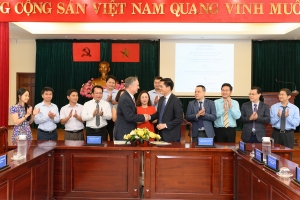
Visa, the world-leader in digital payments, and the Ho Chi Minh City Department of Transportation have just signed a Memorandum of Understanding (MoU) to drive the development and adoption of digital payments to achieve smart mobility in Ho Chi Minh City.

Opening up opportunities for cooperation and investment in smart mobility Opening up opportunities for cooperation and investment in smart mobility

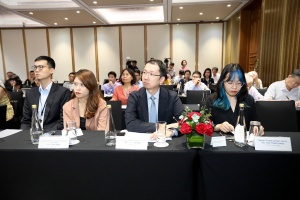
The Smart Mobility Industry Networking Seminar took place in Hanoi on November 1, bringing the industry together to discuss solutions and technologies related to the smart mobility sector in Vietnam.

The path towards international competitiveness is no longer defined merely by product quality or price, but by the ability to align with environmental and social responsibility. For many businesses, ‘going green’ has shifted from a strategic option to an unavoidable imperative.

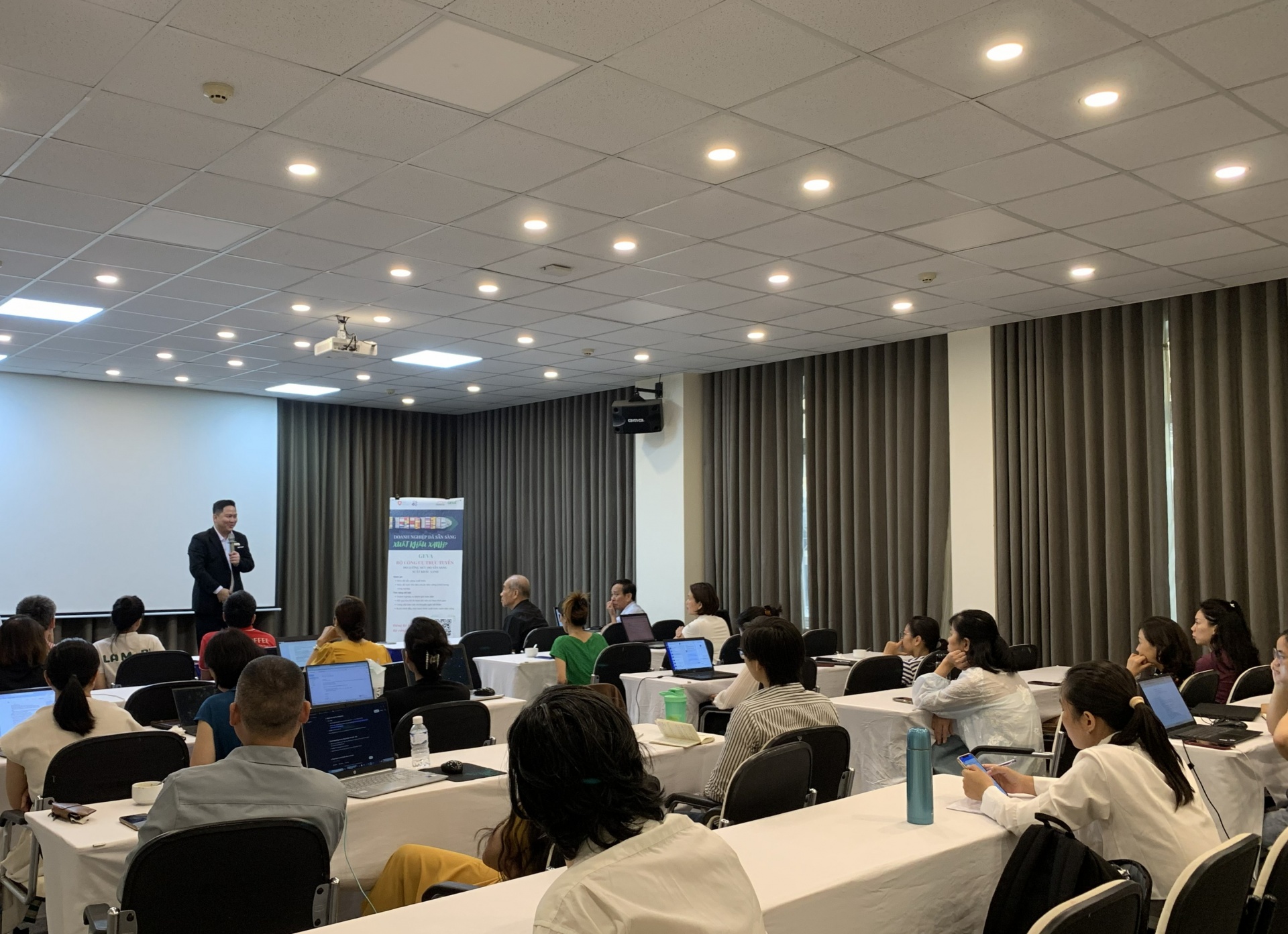
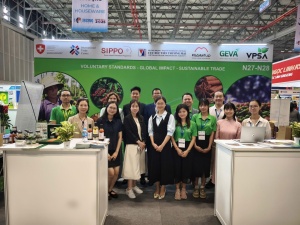
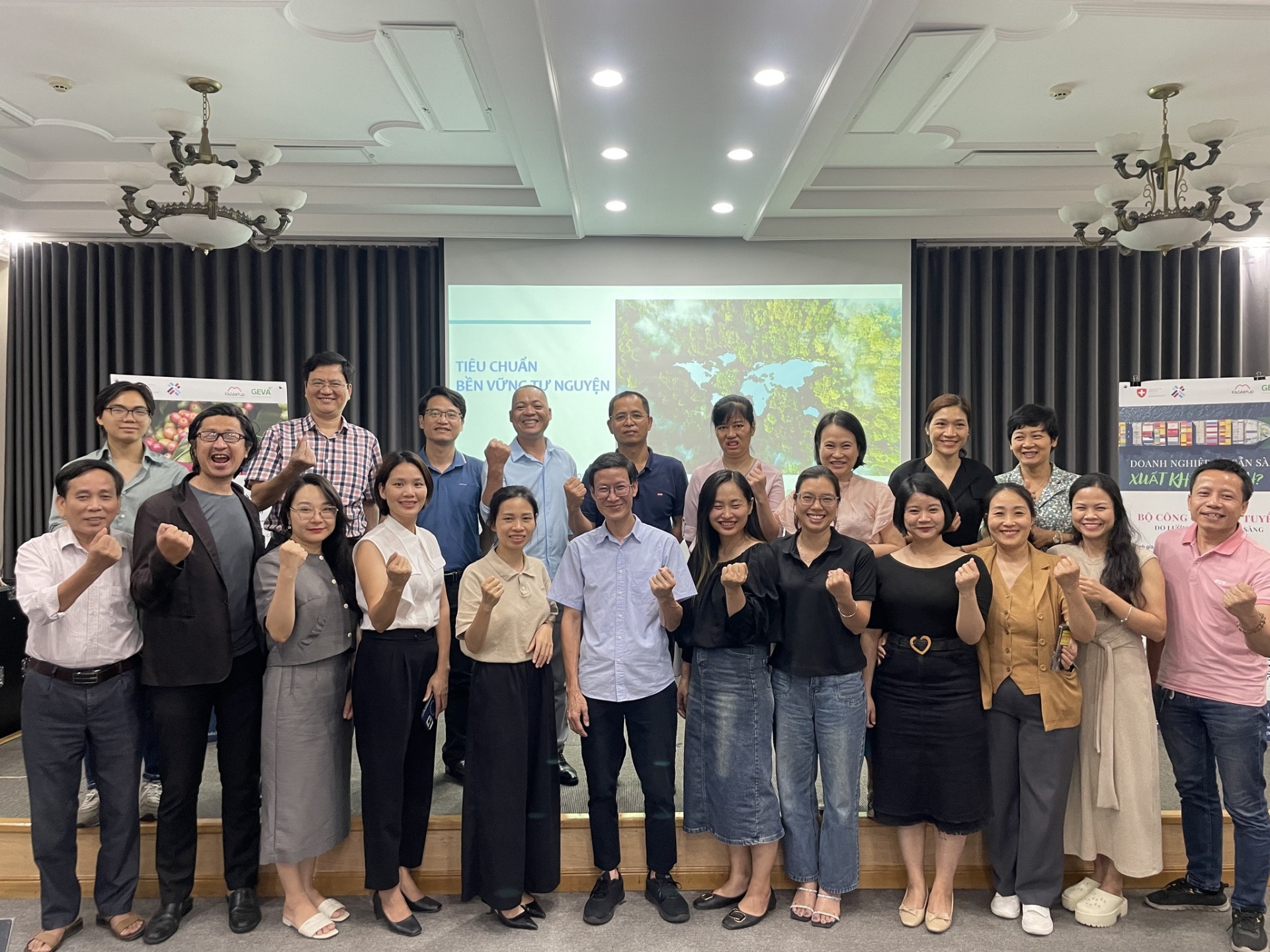
In August, the GEVA project – ‘Green Export Acceleration through Voluntary Sustainability Standards (VSS)’ – launched a specialised training series in Ho Chi Minh City. The initiative represents a major step in equipping Vietnamese agribusinesses with the tools and knowledge required to meet the growing global demand for sustainable products.

Sustainability standards reshaping Vietnam’s trade landscape

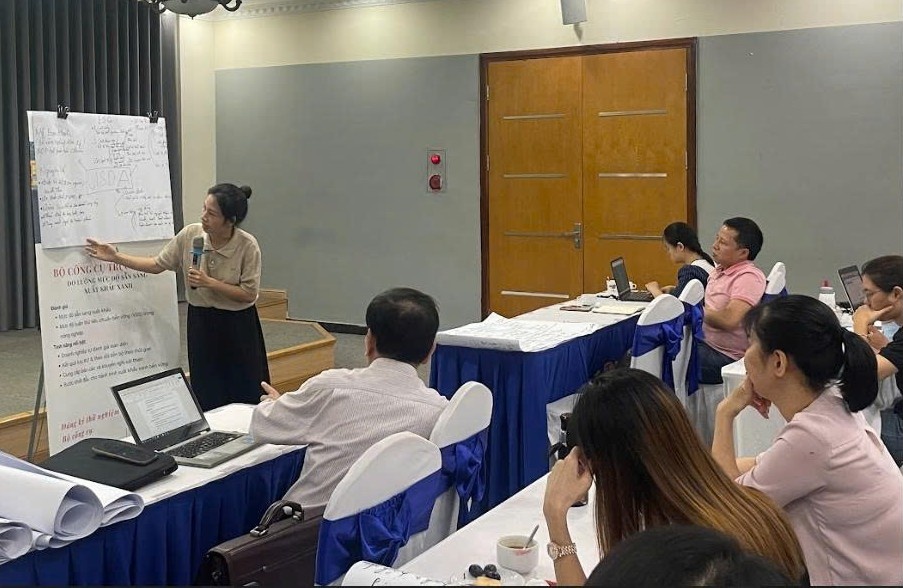
The four-session training course in Ho Chi Minh City drew participation from dozens of agricultural businesses, combining foundational theory with hands-on practice. The opening session, held on August 16 and led by Phan Dinh Tuan Anh, CEO and founder of Angel4Us, introduced participants to international business model frameworks and the integration of environmental, social, and governance (ESG) principles into corporate strategy.

“ESG is not just a checklist to make a company look good on paper,” Anh said. “It’s a compass that helps enterprises manage risks, enhance efficiency, and attract investment.”

Participants were guided through the Business Model Canvas framework and self-assessment tools, enabling them to evaluate their readiness for green export and identify both their strengths and critical areas for improvement.

One of the most common challenges for Vietnamese companies, as the training revealed, lies in choosing the right sustainability standards. With more than 400 different VSS currently in use worldwide, businesses can easily become overwhelmed by complexity and cost.

In a session on August 19 focused on the agriculture sector, Bui Khanh Tung, deputy director of the Centre for Organic Agriculture Development Support, helped demystify this process.

“Each market favours a different group of VSS, and each standard is linked to specific value chains and benefits,” Tung explained. “The more precisely firms understand and select the right standard, the more efficiently they can allocate resources and access their target markets.”

Sustainability standards reshaping Vietnam’s trade landscape

Through group discussions and case studies, participants learned how to integrate sustainability standards into their business models and recognised the tangible benefits of doing so – from improving operational efficiency to enhancing brand reputation abroad.

The programme also featured Le Sai Gon, director of the SIMEX Training and Export-Import Consulting Centre, who provided practical guidance on export procedures, logistics, and compliance requirements under green export frameworks. As global regulations evolve, sustainability now extends across the entire supply chain – from farming and packaging to transportation and international certification.

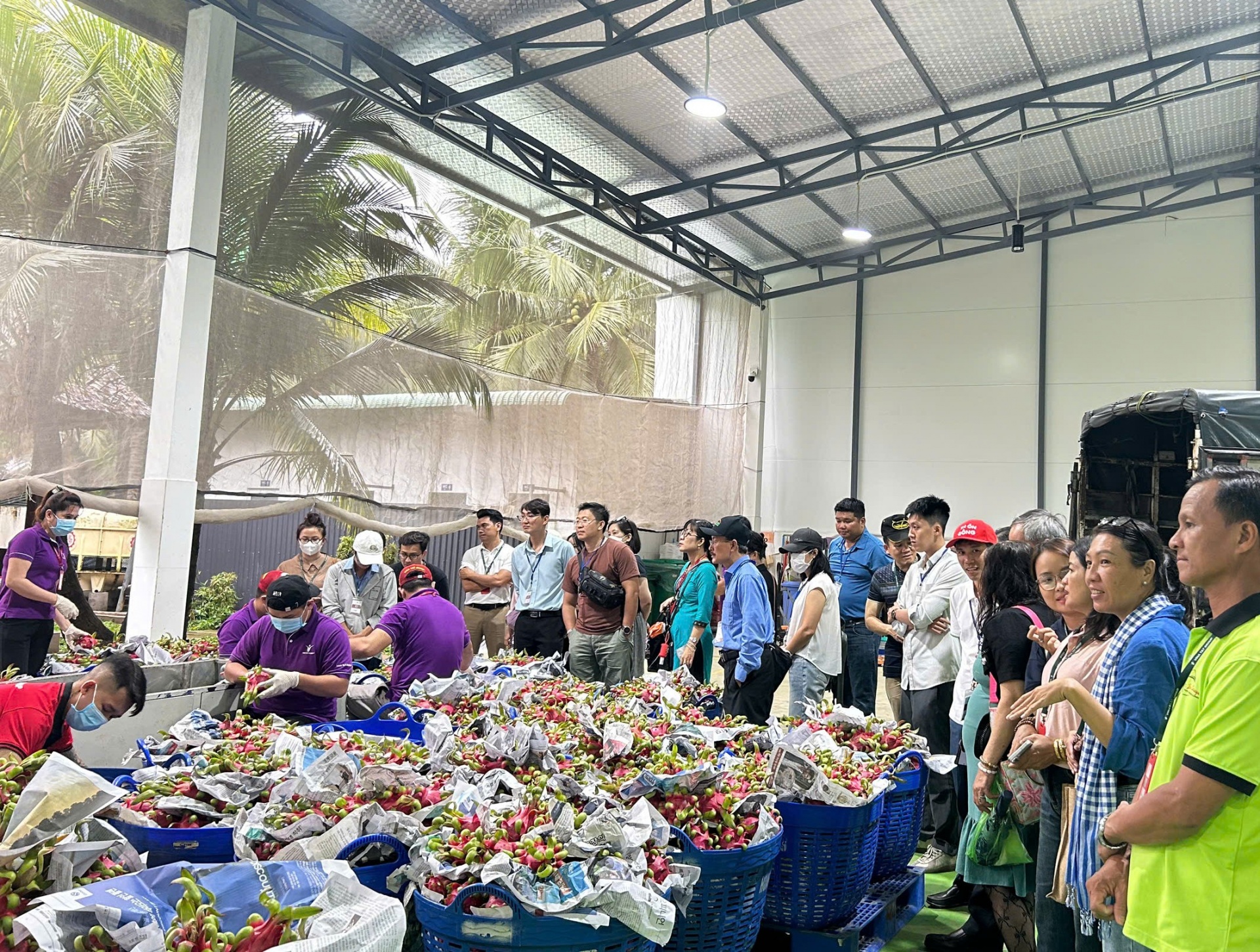
A highlight of the course was the field trip to Vina T&T Group, one of Vietnam’s leading fruit exporters. Participants visited organic grapefruit and coconut farms and observed firsthand the company’s modern processing and packaging operations, certified by rigorous international standards such as BRCGS, GlobalG.A.P., and USDA Organic.

For many, the visit offered more than inspiration – it bridged theory with tangible reality. The story of Vina T&T, from early setbacks to becoming a trusted supplier to the US market, underscored a vital lesson: long-term success in global trade is built on persistence, partnership with farmers, and unwavering commitment to green standards.

Sustainability standards reshaping Vietnam’s trade landscape

The GEVA training series marks just the beginning. The project will continue supporting Vietnamese enterprises through incubation and acceleration programmes, offering tailored guidance on applying VSS in practice, building export-oriented brands, and developing sustainable business models.

For participating enterprises, the journey towards green transformation has only just begun. Equipped with new knowledge, tools, and perspectives, they are better positioned to enter global markets – not just as exporters of agricultural goods, but as ambassadors of a sustainable Vietnam.

Vietnam’s deeper integration into global trade through next-generation free trade agreements has opened new opportunities for its agricultural sector. Yet, along with these opportunities come increasingly stringent non-tariff barriers, particularly those tied to environmental protection, labour rights, and traceability.

Markets such as the EU, with its ambitious Green Deal, and the United States and Japan, which demand transparency in production and certification, are raising the bar for exporters worldwide. For Vietnam’s agricultural producers, adapting to these requirements has become a defining factor of survival and competitiveness.

Global consumers today care about product quality but also about how a product is made – whether it respects the environment, ensures fair labour practices, and contributes positively to local communities. This shift presents both a challenge and an opportunity.

For Vietnam’s SMEs, adopting green standards can unlock new markets, entice sustainable investment, and create lasting brand value. But it also demands long-term commitment, innovation, and capacity building.

GEVA directly addresses these needs, serving as a bridge between international sustainability requirements and local business realities.

Vietnam’s agricultural sector stands at a pivotal moment. As global trade pivots towards sustainability, ‘greening’ is no longer just a moral duty – it is a strategic advantage. The success of initiatives like GEVA demonstrates how targeted training and collaboration between public, private, and academic actors can empower local enterprises to thrive in a rapidly changing world.

With determination, knowledge, and a clear vision, Vietnamese businesses are proving that sustainability and profitability are not opposing goals – but complementary forces driving the country’s next wave of export growth.

The ‘Green Export Acceleration through Voluntary Sustainability Standards (GEVA)’ project aims to strengthen the capacity of Vietnamese agricultural enterprises in adopting sustainability practices and meeting international market requirements. The programme supports enterprises through training, incubation, and acceleration activities to promote green and inclusive export growth.
Voluntary social insurance participants up 305 folds in 16 years: VSS Voluntary social insurance participants up 305 folds in 16 years: VSS

The number of voluntary social insurance participants has risen 305 folds to 1.83 million since the policy was put in place in 2008, according to the Vietnam Social Security (VSS).

Strengthen partnership and efforts to promote zero energy buildings in Vietnam Strengthen partnership and efforts to promote zero energy buildings in Vietnam

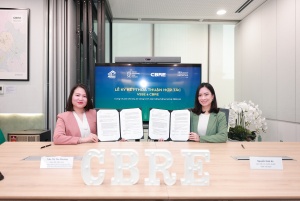
Within the framework of the Zero Energy Building (ZEBHub) project, Vietnam Sustainability Social Enterprise Co., Ltd. (VSSE) – the managing unit of the Energy Efficiency Network Vietnam (EEN-Vietnam) and CBRE Vietnam signed a MoU on February 25.

Voluntary Sustainability Standards redefining the future of Vietnam’s green exports Voluntary Sustainability Standards redefining the future of Vietnam’s green exports

Voluntary Sustainability Standards (VSS) may carry the word “voluntary”, but for Vietnamese exporters, they are increasingly far from optional.

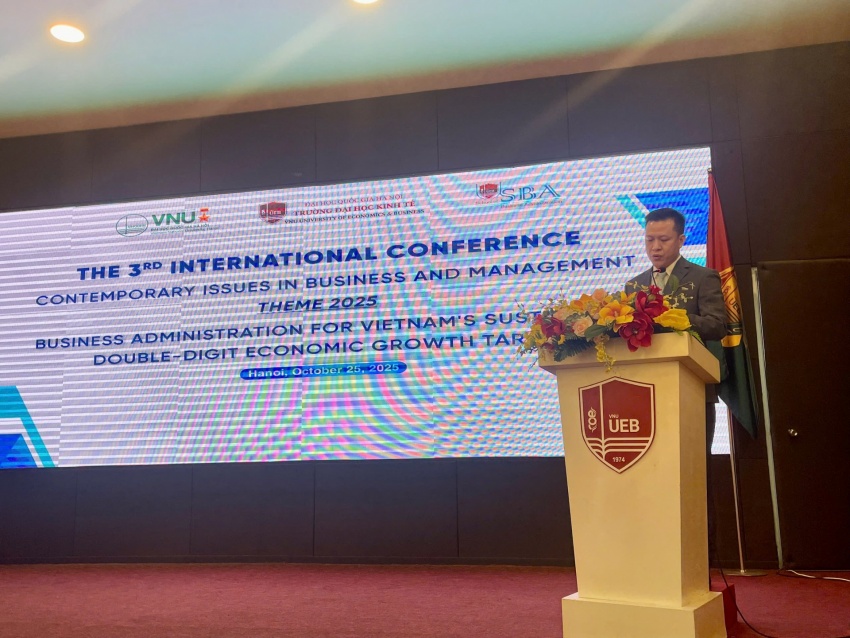
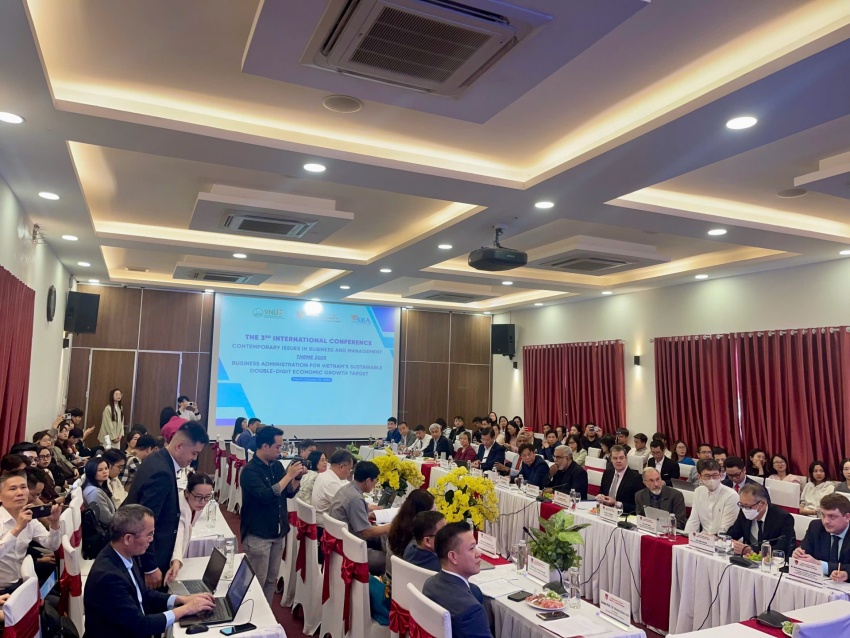
At the third international conference on ‘Contemporary Issues in Business and Management’, held on October 25 by the University of Economics and Business (UEB) under the Vietnam National University, Hanoi, experts from Vietnam and abroad discussed how academic institutions can contribute to sustainable double-digit economic growth. The event brought together more than 100 experts, scholars, policymakers, and business leaders to exchange insights on the role of education and innovation in national development.

Universities urged to drive next phase of growth
Hoang Khac Lich, vice rector of the UEB

Hoang Khac Lich, vice rector of UEB, explained that achieving the Politburo’s four-pillar development goals requires joint efforts from domestic and international experts to build a modern and innovative business management system. Such reform, he said, is vital for sustaining growth and helping Vietnam escape the middle-income trap.

“In this context, comprehensive innovation in business management is no longer a choice but a prerequisite. This is not a slogan; it is a matter of survival,” Lich said.

Gary L. Frankwick from the University of Texas at El Paso highlighted that sustainable growth cannot rely solely on exports or infrastructure, it must be rooted in the intellectual and institutional foundations that academia provides.

“Universities are not just places of learning, they are also national knowledge centres, where business management is taught with a clear vision and purpose, capable of turning double-digit growth into reality,” said Frankwick.

Vietnam is moving from a production economy towards a technology-driven one, requiring a skilled, creative, and sustainability-oriented workforce. As a result, universities must train future leaders who can integrate business goals with sustainable development; adjust curricula in line with national strategies and real economic demands; and become regional development hubs-linking government, business, and local communities.

This means, according to Frankwick, MBA, management, and economics courses should reflect global trends, digital transformation, and local specificities. Students must be taught responsible leadership, balancing profit with social and environmental impact.

Universities play a key role in linking education with practice through internships, joint research, and business advisory boards that connect learning with real-world needs. These collaborations provide students with practical experience, offer enterprises access to new ideas, and support the development of an academic–economic ecosystem that contributes to national growth.

“Universities should not just grant degrees, they should nurture startups. Business education must teach students to take risks, be creative, and fail intelligently,” said Frankwick, “We must teach students how to fail, and how to stand up again.”

This mindset builds resilience, entrepreneurial spirit, and intellectual stamina, vital for a dynamic economy like Vietnam’s.

Frankwick cautioned that growth built on unsustainable foundations cannot endure. Business education, he said, should embed principles of climate adaptation, the circular economy, and inclusive, green development. Academia must also nurture a mindset of ‘business for the future’, shifting focus from short-term gains to long-term resilience.

Universities urged to drive next phase of growth

Bradley A. Corbertt from Canada’s Ivey School of Business compared the economy to an engine, where government, business, and academia act as three pistons operating together. Without the academic piston, he argued, the engine cannot generate enough power to achieve explosive double-digit growth.

“Academia is the source of intellectual energy that keeps the economic engine running efficiently, ensuring long-term momentum and avoiding overheated, unsustainable growth,” Corbertt noted.

As businesses and governments face the need for rapid decision-making, academia provides strategic thinking and empirical evidence. Universities and research institutes can analyse theories, global trends, and models to propose evidence-based policies tailored to Vietnam’s context.

Such ‘evidence-based policymaking’ reduces the risk of misjudgment and improves economic governance efficiency. Ministries, universities, and enterprises can jointly forecast labour and technology needs, thereby designing training activities aligned with economic development realities.

Universities shape the quality and structure of the workforce by continuously updating curricula in response to market needs and new industrial directions (such as semiconductors, AI, and green energy). They can expand short-term, reskilling, and postgraduate courses to help workers adapt quickly to economic and technological transitions, while partnering with businesses in practical training, so students can work effectively immediately after graduation.

Through innovation centres, incubators, and research parks, universities can support small and medium-sized enterprises and startups, turning ideas into marketable realities and enabling technology transfer. By spreading knowledge in areas such as the circular economy, green management, and digital transformation, academia helps Vietnamese businesses stay aligned with global trends.

“A prime example is the National Innovation Centre, a model of trilateral collaboration among the state, businesses, and universities,” said Corbertt. He suggested that major universities in Hanoi and Ho Chi Minh City, as well as regional institutions, should evolve into local knowledge hubs that drive development in their surrounding areas.

“When every region has its own ‘intellectual engine,’ Vietnam’s economy will grow more evenly and sustainably,” he added.

Universities, he noted, possess the agility to experiment, innovate, and adapt faster than administrative bodies, making them ideal environments for research and entrepreneurship. At the same time, academia plays a moral and cultural role, safeguarding values and ethics that ensure the economy grows not only in scale but also in quality, identity, and sustainability amid globalisation.

Corbett urged Vietnam to deepen collaboration among government, business, and academia through joint policymaking, training, and technology transfer; encourage research-based corporate management; connect universities with industrial zones; and invest in lifelong learning to keep the workforce adaptable.

At the conference, six parallel sessions explored key themes including corporate strategy amid digital transformation, technology applications in management, marketing and communications, sustainable human resource development, labour in globalisation, and practical approaches to business management.

Together, these discussions underscored a unified direction for Vietnam – leveraging knowledge, innovation, and modern management to power long-term, sustainable growth.

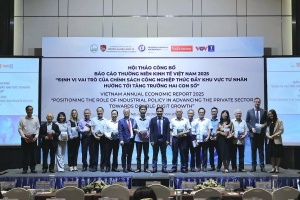
Report highlights role of industrial policy towards double-digit growth Report highlights role of industrial policy towards double-digit growth
Finding a homegrown growth driver for Vietnam Finding a homegrown growth driver for Vietnam
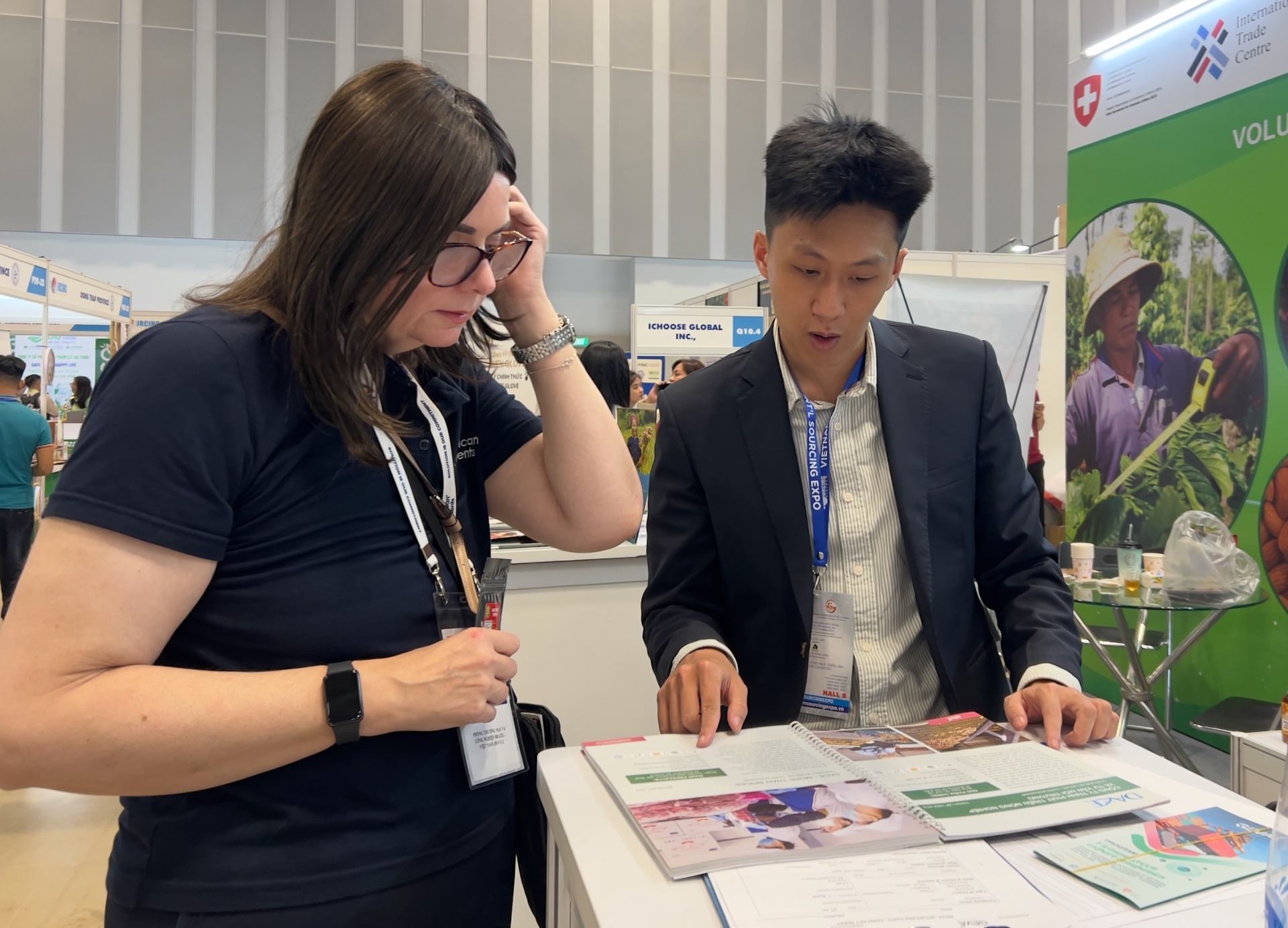
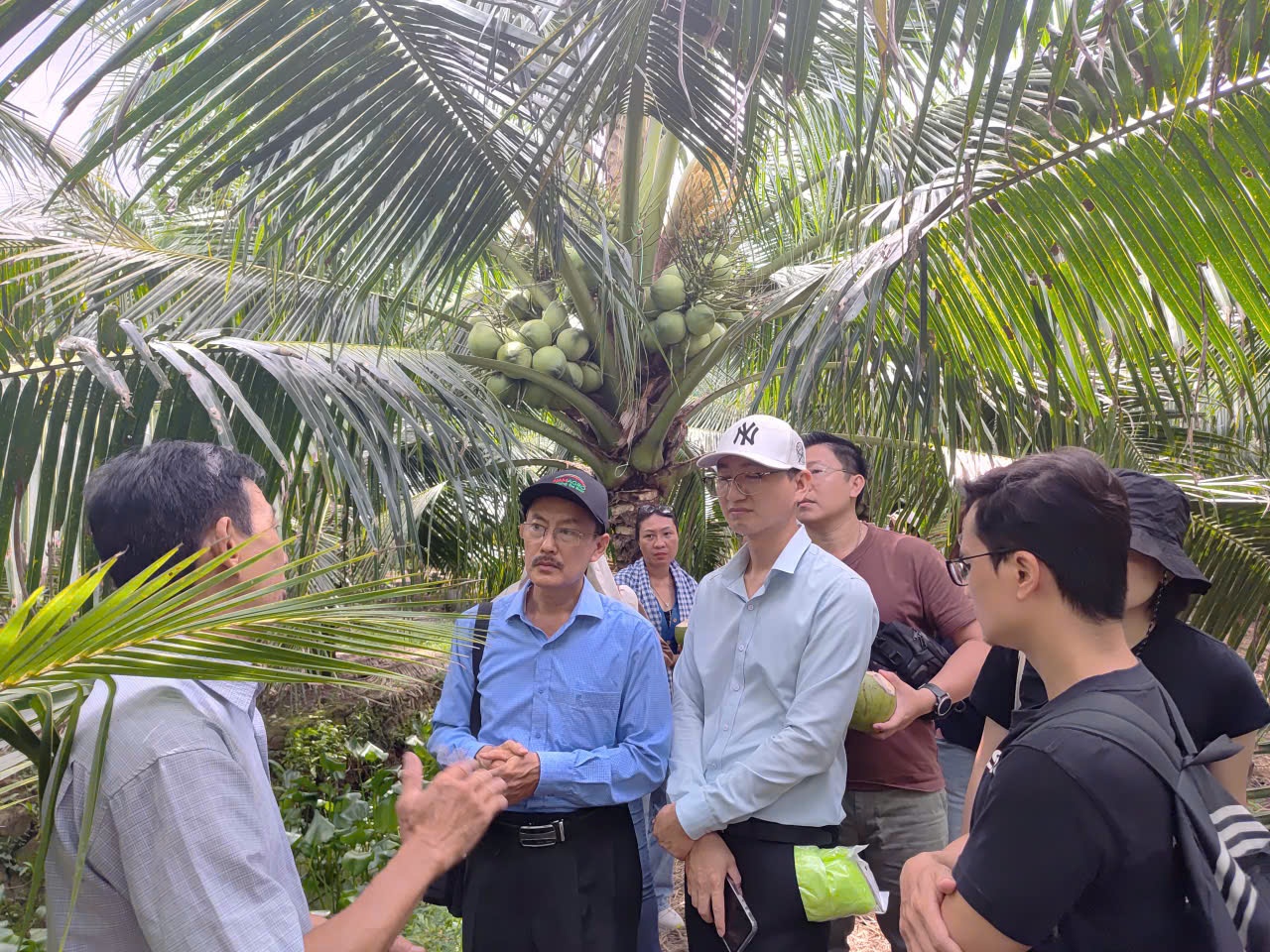
While these standards aim to encourage responsible production and fair trade, many Vietnamese businesses – especially small- and medium-sized enterprises (SMEs) – view them as complex and costly conditions set by foreign buyers, creating new challenges in maintaining competitiveness and market access.

Bui Khanh Tung, deputy director of the Centre for Organic Agriculture Development Support under the Vietnam Organic Agriculture Association, said, “This perception, while understandable, misses the broader economic and strategic implications of VSS compliance.”

“Meeting VSS is not merely about satisfying export regulations,” Tung explained. “It is an investment in the long-term competitiveness of enterprises, one that strengthens trust, opens access to high-value markets, and contributes to sustainable livelihoods for producers.”

In recent years, Vietnam’s agricultural exports have faced increasing scrutiny from international markets, where certifications such as GlobalG.A.P., Fairtrade, or Rainforest Alliance are no longer optional but essential. For many Vietnamese SMEs, particularly those in coffee, tea, and spice sectors, VSS compliance has often been viewed as a financial burden rather than a strategic opportunity.

However, according to Tung, this perspective is gradually shifting. “When enterprises invest in sustainability certification, they are not just buying a label,” he noted. “They are improving production processes, enhancing efficiency, reducing waste, and building credibility with consumers and global partners.”

Indeed, global studies have shown that businesses adopting sustainability standards often experience measurable benefits, including reduced production risks, higher prices for certified products, and increased brand recognition.

Voluntary Sustainability Standards: From compliance burden to competitive advantage

Despite these potential advantages, implementing VSS remains challenging for most local enterprises. The cost of certification, lack of technical expertise, and limited awareness among smallholder farmers continue to hinder broader adoption.

Vietnam’s agricultural system is dominated by small-scale producers who rely heavily on traditional methods. For them, the idea of meeting international sustainability standards can be intimidating. The process often requires restructuring production, documenting practices, and maintaining traceability systems – tasks that demand financial resources and organisational capacity beyond the reach of many farmers.

“Capacity building and coordinated support from both the government and the private sector are crucial,” Tung stressed. “If we expect farmers and small businesses to adopt VSS, they need more than encouragement – they need practical tools, technical guidance, and market linkages.”

As the global demand for sustainably sourced products continues to rise, the economic rationale for adopting VSS is becoming more apparent. Large international retailers are integrating sustainability criteria into their procurement policies, and multinational brands are tightening requirements for suppliers.

In this context, Vietnamese enterprises that proactively integrate sustainability into their operations are better positioned to maintain and expand market access. Beyond export growth, compliance with VSS can also help mitigate reputational risks and attract impact-oriented investors who prioritise environmental, social, and governance performance.

“VSS certification helps transform sustainability from a cost factor into a growth driver,” Tung remarked. “When enterprises see sustainability as a core business value, not an external obligation, they start unlocking real economic benefits.”

Voluntary Sustainability Standards: From compliance burden to competitive advantage

To accelerate adoption, experts agree that policy alignment, financial incentives, and capacity-building programmes are essential. Collaboration between government agencies, business associations, and certification bodies can help create a more supportive ecosystem for sustainable production.

The path forward requires balancing global market expectations with local realities. As Tung concluded, “Sustainability standards should not be seen as foreign impositions but as shared goals. They represent a chance for Vietnam’s producers to participate more actively and confidently in global value chains.”

Voluntary Sustainability Standards: From compliance burden to competitive advantage

For Vietnam, embracing VSS is more than a compliance issue – it is a strategic choice aligned with the nation’s green growth vision. By reframing VSS adoption as a pathway to competitiveness, Vietnamese companies can not only enhance their global market position but also contribute to a more resilient and responsible agricultural economy.

Meeting sustainable standards can boost EU access Meeting sustainable standards can boost EU access

Engaging in Voluntary Sustainability Standards (VSS) offers Vietnamese businesses a greater impetus to achieve sustainable development objectives linked to competition and transnational accountability.

Voluntary Sustainability Standards redefining the future of Vietnam’s green exports Voluntary Sustainability Standards redefining the future of Vietnam’s green exports

Voluntary Sustainability Standards (VSS) may carry the word “voluntary”, but for Vietnamese exporters, they are increasingly far from optional.

The sustainable goals to deliver new value for society The sustainable goals to deliver new value for society

As Vietnam deepens its international integration, sustainable development has become a mandatory requirement for enterprises. Nguyen Quang Vinh, vice chairman of the Vietnam Chamber of Commerce and Industry and chairman of the Vietnam Business Council for Sustainable Development, spoke with VIR’s Nguyen Thu about the role of enterprises in driving sustainable growth.

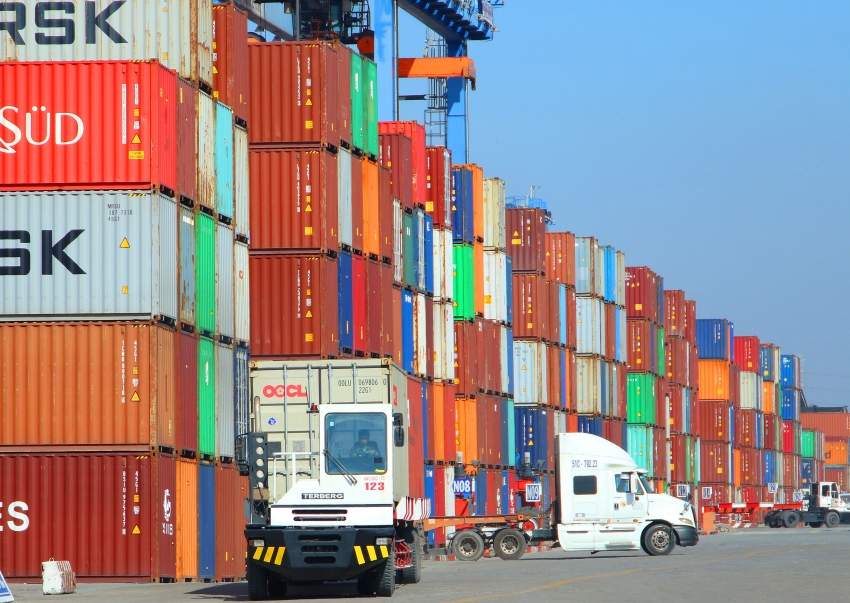
P5 bài Economy – xuất khẩu hàng hóa ở cảng

According to data shared at a workshop organised by the Vietnam Chamber of Commerce and Industry (VCCI) in Hanoi on October 21, nearly 60 per cent of Vietnamese businesses exporting to the EU have never heard of the bloc’s new supply chain due diligence rules.

The event focused on how these regulations will affect Vietnamese exporters, highlighting the urgent need for better communication and stronger preparedness as compliance pressures increase.

“Several European countries, including Germany, France, and the Netherlands, are strengthening legal requirements to ensure human rights and environmental protection across global supply chains,” said Dau Anh Tuan, deputy secretary-general of the VCCI. “Key frameworks such as Germany’s Supply Chain Due Diligence Act, in force since 2023, and the EU’s Corporate Sustainability Due Diligence Directive (CSDDD), effective from 2024, are reshaping the way exporters must operate.”

While formally targeting large EU-based firms, these regulations extend to their suppliers worldwide. For Vietnamese companies – whether in raw materials, manufacturing, or logistics – compliance has become a prerequisite to remain in European value chains. Failure to provide information or meet standards could mean losing contracts or being excluded from supply networks.

However, the VCCI’s quick survey in mid-2025 found that just under 60 per cent of Vietnamese exporters to the EU had never heard of these rules, while another 36.6 per cent had only superficial awareness. Even for the CSDDD, the best-recognised regulation, nearly half of respondents admitted no knowledge, with most of the rest having heard of it but not studied its details.

This lack of awareness is fostering excessive concern without real preparedness. Many firms correctly assumed the rules would cover human rights and environmental standards but misunderstood their scope and requirements. “There is a large gap between the speed of regulatory change in Europe and the readiness of Vietnamese businesses,” said Tuan

However, experts have stressed, compliance is not solely a threat. Vanessa Steinmetz, director of the Friedrich Naumann Foundation in Vietnam, argued that the rules also create opportunities. By raising transparency and accountability, Vietnamese exporters can strengthen trust with EU buyers and consumers. “Those demonstrating good governance and responsibility will become stronger, more competitive partners internationally,” she said.

To help businesses adapt, the VCCI’s Nguyen Thi Thu Trang recommended that companies start by fully complying with domestic labour and environmental regulations, while gradually aligning with European standards. She emphasised the need for closer coordination with EU partners on due diligence practices, and urged business associations and regulators to expand training, guidance, and early warning systems.

“Compliance is no longer just a requirement – it’s the foundation for survival and sustainable growth in this vital export market,” Trang said.

Vietnamese women taking flight in aviation industry
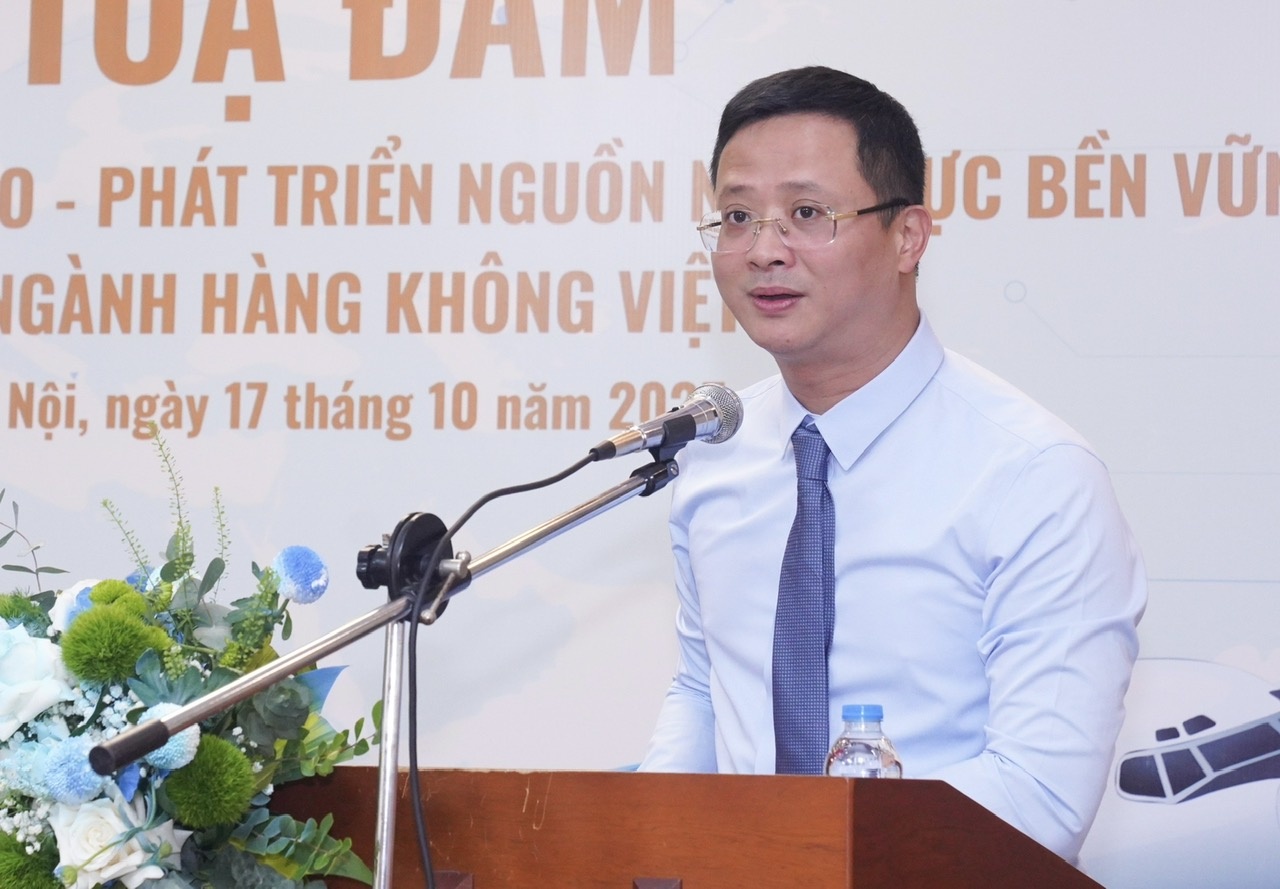
CAAV director Uong Viet Dung

On October 17, the Civil Aviation Authority of Vietnam (CAAV) and Boeing organised a seminar on sustainability practices in human resources for Vietnam’s aviation industry. The event gathered representatives from aviation authorities, enterprises, and airlines nationwide to discuss strategies for fostering an inclusive and resilient workforce for the sector.

“Over the past three decades, Vietnam’s aviation industry has demonstrated the intelligence, resilience, and determination of the Vietnamese people, including Vietnamese women,” said CAAV director Uong Viet Dung. “This has supported Vietnam’s aviation industry to overcome challenges from the inception until today.”

“Vietnam’s aviation industry is increasingly integrating into international markets and affirming its position on the global map. Women have made significant contributions to the success, facilitating the aviation industry to remain steadfast and ready to fly even higher,” he added.

Vietnamese women taking flight in aviation industry

Key positions in the aviation industry once dominated by men are now seeing growing female participation across all roles. Women are increasingly serving as pilots, captains, air traffic controllers, flight attendants, and aircraft maintenance engineers, among other positions.

Dung also expressed gratitude to female leaders in the aviation industry, “In the aviation industry, it is impossible not to mention Vietjet chairwoman Nguyen Thi Phuong Thao – a small yet remarkably resilient woman with bold vision, strategic thinking, aspirations, and a burning passion for developing Vietnam’s civil aviation industry.”

The seminar underscores the role of Vietnamese women, which is an important factor for the development of Vietnam’s aviation industry in the new era.

Vietnamese women taking flight in aviation industry

Tran Kim Anh, head of Capital Resources, spoke about the best practices applied at Vietjet to stimulate growth and career advancement opportunities for women and foster an equitable workplace.

“Vietjet is among the few airlines worldwide where women hold many top positions, including chairwoman of the Board of Directors, vice chairwoman of the Board of Directors, board member, and deputy CFO, as well as many department leaders. Vietjet chairwoman Nguyen Thi Phuong Thao has promoted the gender equality initiatives that empower women to thrive both professionally and personally.”

Today, female employees make up nearly 40 per cent of Vietjet’s total workforce, with 30 per cent of leadership roles held by women. From pilots, flight attendants, engineers, flight operations staff to financial, commercial, and communications managers – Vietjet women are contributing to creating a new face for the modern, dynamic, and humane Vietnamese aviation industry.

Thao’s journey stands as a living testament to her aspiration to serve the nation with knowledge, responsibility, and compassion, while inspiring a new generation of entrepreneurs to build a prosperous and happy country. More importantly, it is a clear testament that gender barriers cannot hinder the development and success of women in the aviation industry or more broadly in the economy and society.

According to Anh, “Women’s success comes from intelligence, courage, perseverance, compassion, a spirit of sharing, and the ability to inspire through kindness. They naturally balance reason with emotion and responsibility with dedication – qualities that foster a humane, sustainable, and inspiring workplace.”

“At Vietjet, we firmly believe that empowering women means empowering businesses – it is how we nurture a progressive corporate culture where economic growth always goes hand in hand with human values,” Anh added.

More female pilots, engineers, and young leaders are stepping forward to prove their capabilities in Vietnam’s aviation industry. Experts agree that breaking down barriers requires fostering inspiration, sharing experiences, expanding learning opportunities, and encouraging the next generation to think boldly and act decisively. By doing so, women can become the strong leaders and managers who help drive the country’s aviation industry to new heights.

Vietjet takes delivery of first Boeing 737-8 in $32bn order Vietjet takes delivery of first Boeing 737-8 in $32bn order

Vietjet has celebrated the delivery of its first Boeing 737-8 aircraft, marking a milestone in the airline’s landmark $32 billion order with the US manufacturer.

Vietjet chairwoman: every aircraft brings trust, employment, and prosperity Vietjet chairwoman: every aircraft brings trust, employment, and prosperity

Vietjet has received its first Boeing 737-8 aircraft from the airline manufacturer.

Vietjet inspires and empowers women to soar in aviation Vietjet inspires and empowers women to soar in aviation

Vietjet demonstrated its unwavering commitment to sustainable development and gender equality at the 2025 Women in Aviation International-Singapore Chapter (WAI-SG) Gala Dinner held on October 16.

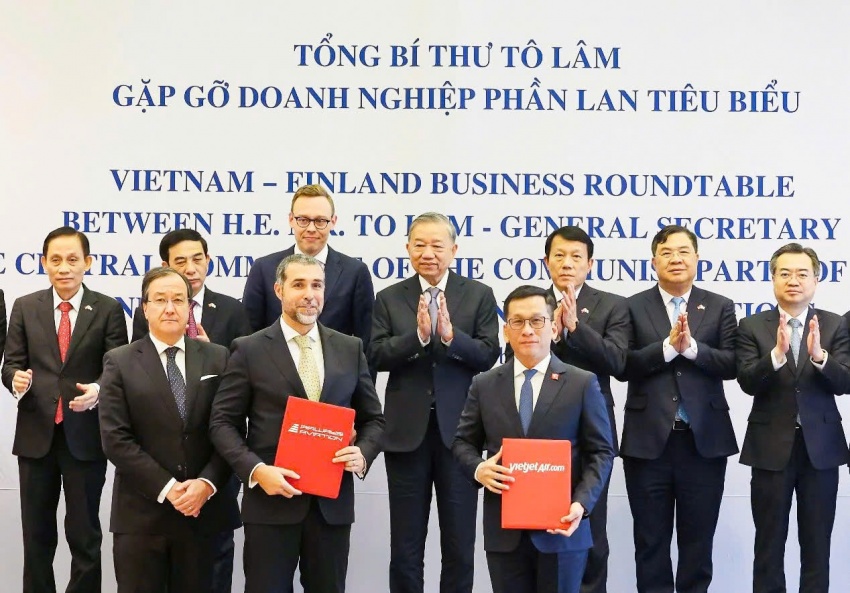
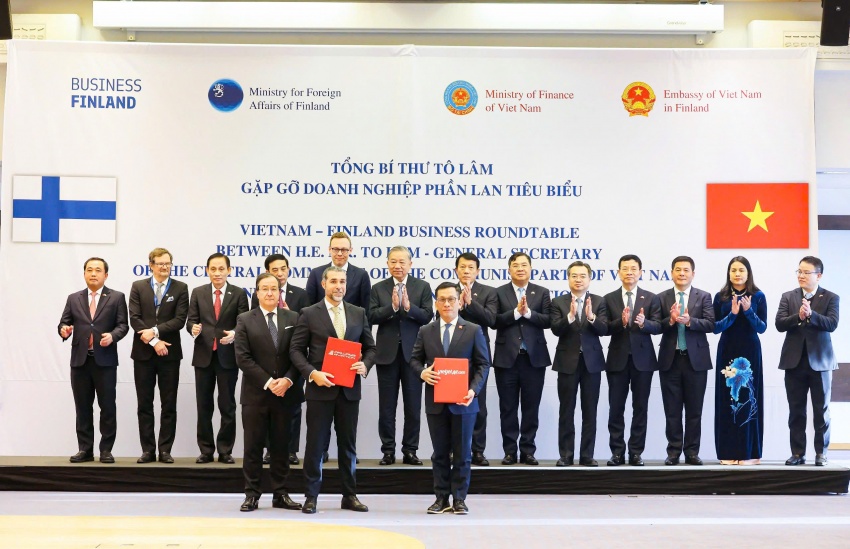
The two sides signed a strategic cooperation agreement on October 21 to develop skilled personnel for the global aviation sector. The ceremony took place in the presence of Party General Secretary To Lam and senior government and business representatives during his official visit to Finland – the first by a Vietnamese Party leader in more than five decades of diplomatic relations between the two countries.

Vietjet lifts aviation training to new heights with Airways Aviation
Photo: Vietjet

Under the agreement, Airways Aviation will collaborate with the Vietjet Aviation Academy (VJAA) to implement international-standard pilot training programmes in Europe. These will comply with regulations from the International Civil Aviation Organisation, the European Union Aviation Safety Agency, and the Civil Aviation Authority of Vietnam.

The specialised multi-crew pilot licence and commercial pilot licence courses aim to develop a new generation of pilots to support Vietjet’s global expansion and sustainable growth strategy.

Vietjet signs training tie-up with Airways Aviation
Photo: Vietjet

Vietnam and Finland are committed to deepening cooperation in economic connectivity, science, technology, innovation, and human resource development. The collaboration between Vietjet and Airways Aviation will contribute to this new era of partnership, built on creativity, knowledge, and sustainable development.

Vietjet lifts aviation training to new heights with Airways Aviation
Photo: Vietjet

Vietjet’s workforce currently exceeds 9,000 employees representing more than 60 countries and territories, supporting its extensive operations across both domestic and international markets.

As a global aviation group, Vietjet continues to expand its flight network, attract top-tier talent, and offer world-class services and products. The airline maintains a strong presence across the Asia-Pacific region and is preparing for further expansion into major markets in Europe and the Americas.

As an International Air Transport Association (IATA)-accredited training partner in Vietnam, VJAA has trained nearly 400,000 pilots, flight attendants, engineers, dispatchers, and aviation professionals, empowering the dream of conquering the skies and driving the industry’s sustainable growth.

Airways Aviation is a globally recognised flight training academy with a strong presence across Europe, the Middle East, Asia, and Australia, with over 45 years of experience.

The new-age carrier Vietjet has not only revolutionised the aviation industry in Vietnam, but also been a pioneering airline across the region and around the world. With a focus on cost management ability, effective operations, and performance, applying the latest technology to all activities and leading the trend, Vietjet offers flying opportunities with cost-saving and flexible fares as well as diversified services to meet customers’ demands.

Vietjet is a fully-fledged member of IATA with the IATA Operational Safety Audit certificate. As Vietnam’s largest private carrier, the airline has been awarded the highest ranking for safety with seven stars by the world’s only safety and product rating website airlineratings.com and listed as one of the world’s 50 best airlines for healthy financing and operations by Airfinance Journal in many consecutive years.

The airline has also been named as Best Low-Cost Carrier by renowned organisations such as Skytrax, CAPA, Airline Ratings, and many others.

Vietjet takes delivery of first Boeing 737-8 in $32bn order Vietjet takes delivery of first Boeing 737-8 in $32bn order

Vietjet has celebrated the delivery of its first Boeing 737-8 aircraft, marking a milestone in the airline’s landmark $32 billion order with the US manufacturer.

Vietjet inspires and empowers women to soar in aviation Vietjet inspires and empowers women to soar in aviation

Vietjet demonstrated its unwavering commitment to sustainable development and gender equality at the 2025 Women in Aviation International-Singapore Chapter (WAI-SG) Gala Dinner held on October 16.

Vietnamese women taking flight in aviation industry Vietnamese women taking flight in aviation industry

Ahead of Vietnamese Women’s Day, the Civil Aviation Authority of Vietnam and Boeing co-hosted a seminar on sustainable human resource development in aviation, focusing on gender diversity and long-term workforce growth.

Africa emerges as new market for Vietnamese rice
Rice exporters look to Africa for growth opportunities. Photo: Duc Thanh

Vietnam’s rice industry is facing one of its toughest challenges in years as two major markets, the Philippines and Indonesia, have sharply cut imports, forcing exporters to scramble for alternative buyers. Many firms are now pivoting to Africa, where demand for Vietnamese rice is unexpectedly rising.

For years, the Philippines and Indonesia accounted for nearly half of Vietnam’s rice exports, serving as vital pillars of the trade. That stability was upended in September when the Philippines, Vietnam’s largest buyer, suddenly suspended rice imports for 60 days and signalled the pause could extend through the year. Customs data shows Vietnamese rice shipments to the Philippines in September plummeted by 93.3 per cent in volume and 92.6 per cent in value compared with August.

Indonesia, the second-largest importer, simultaneously tightened its import quotas, causing widespread contract delays and cancellations. As a result, Vietnam’s overall rice exports in September dropped to just 466,800 tonnes, worth $232.38 million, down nearly 47 per cent on-month. Around 500,000 tonnes of rice remains stuck at ports, leaving exporters in limbo.

Nguyen Van Don, director of Viet Hung Co., described the fallout. “With the Philippines suspending imports, domestic prices have fallen sharply. Contracts were signed, but partners have postponed, freezing capital while storage and transport costs soar,” he said. The cash crunch has worsened as VAT refunds remain delayed, further squeezing liquidity.

The sharp decline has pushed Vietnam’s export prices downward, prompting the Vietnam Food Association (VFA) to urge firms to avoid panic selling. Instead, companies have been encouraged to diversify their markets and strengthen resilience.

One key direction is Africa. Despite higher shipping costs and more complex payment terms, countries such as Ghana, Ivory Coast, Nigeria, and Senegal are significantly increasing their Vietnamese rice imports. According to the VFA, Ghana imported 662,000 tonnes in the first eight months of 2025, worth $373 million, up 95 per cent in volume from the same period last year. Ivory Coast imported 754,000 tonnes, worth $349 million, up 156 per cent in volume.

“Unlike Southeast Asia, African markets present fewer policy risks, although they require government-to-government contracts, stronger capital, and logistics capabilities,” said Phan Van Co, marketing director of Vrice. “This is not for short-term players but for companies with long-term strategies.”

In parallel, exporters are repositioning toward high-value segments such as fragrant, speciality, and organic rice. Varieties are finding stable markets in Japan, the EU, and South Korea,” Co added. “Once premium products enter international supermarket chains, price pressures ease considerably.”

VFA chairman Do Ha Nam stressed that the crisis underscores the risks of overreliance on a few markets. While there is no official extension yet of the Philippines’ ban, he warned exporters to take the episode as a clear signal for change. He urged the government to accelerate VAT refunds, ease credit access, and strengthen trade promotions in Africa and the Middle East.

“This is a true stress test for Vietnam’s rice sector,” Nam said. “We cannot rely on luck or the policies of others. Now is the time to build strength from within, with quality, supply chains, and national branding.”