On 4 August 2026, the Department of Tax, Fee and Charge Policy Management and Supervision issued Official Letter No. 2265/CST-GTGT (“Official Letter 2265”), providing guidance on supporting documents required to substantiate eligibility for the 0% VAT rate applicable to services supplied to foreign organizations and individuals and consumed outside Vietnam.

The documentation requirements differ depending on when the relevant transactions arise, as follows:

For exported services arising before 1 July 2025

For transactions arising before 1 July 2025, businesses are required to provide:

  • a service provision agreement;
  • bank payment documents; and
  • documents evidencing that the services were performed outside Vietnam.

For exported services arising from 1 July 2025

For transactions arising from 1 July 2025, businesses are required to provide:

  • a service provision agreement with the relevant foreign organization or individual;
  • non-cash payment documents; and
  • other supporting documents as may be required by the competent State authorities.

Accordingly, in certain cases, the tax authorities may require businesses to provide additional documents and information to verify their eligibility for the 0% VAT rate.

Particular attention should be paid where a business supplies digital information content products to a foreign customer, such as text, data, images or audio in digital form that are stored or transmitted over a network environment. For these products, businesses must retain and provide documents and information evidencing that the products are consumed outside Vietnam, including:

  • information regarding the foreign customer’s residence or location, such as billing address, delivery address, registered office address, residential address or other similar information; and
  • information evidencing access from outside Vietnam, such as the country calling code associated with the SIM card, IP address, location of a fixed telephone line or other similar information.

Official Letter 2265 therefore indicates increased scrutiny by the tax authorities over the eligibility for the 0% VAT rate applicable to exported services, with greater emphasis on specific and substantive evidence demonstrating that the relevant services are actually consumed outside Vietnam, rather than relying solely on contractual and payment documentation.

In this context, businesses providing services to foreign customers should review the supporting documentation for transactions currently subject to the 0% VAT rate and maintain sufficient records evidencing the provision and consumption of such services outside Vietnam. For digital information content products, businesses should also establish mechanisms to collect and retain information regarding the foreign customer’s residence or location and access from outside Vietnam, so that such information can be readily provided to the tax authorities upon request.

On 19 August 2026, the Government issued Decree No. 330/2026/ND-CP providing for administrative penalties for violations in the fields of cybersecurity and personal data protection (“Decree 330”), which takes effect from 19 August 2026.

Decree 330 was issued to establish a specific penalty mechanism for violations in the field of personal data protection, thereby strengthening the enforcement and deterrent effect of the regulations on personal data protection. This is an important step in further developing the legal framework in the context where regulations on personal data protection have been progressively developed and applied since 2023, but prior to the issuance of Decree 330, there had been no comprehensive and specific administrative penalty mechanism for each group of violations in this field. Some notable points of Decree 330 include:

Violations of regulations on consent of personal data subjects

To strengthen compliance with the requirement to obtain consent from data subjects before processing their personal data, Decree 330 provides for fines applicable to violations of the consent requirements under two principal penalty brackets:

A fine ranging from VND 30 million to VND 50 million applies to acts such as processing data without consent; setting consent as the default option or providing misleading instructions; making service provision conditional upon consent; failing to separately distinguish each processing purpose; obtaining consent without maintaining logs; or failing to provide notification when processing sensitive personal data.

A higher fine ranging from VND 50 million to VND 70 million applies to intentional acts of continuing to process personal data after the data subject has withdrawn their consent or upon a request from a competent State authority, as well as the act of treating a user’s silence as consent without authorization.

In addition to monetary fines, violating organizations and enterprises may also be subject to additional penalties and stringent remedial measures. The competent authorities may confiscate all material evidence and administrative violation instruments used to commit the violation. At the same time, the violating party may be required to destroy or permanently delete all personal data that has been unlawfully collected and processed in a manner that renders such data irretrievable, and to remit all unlawful proceeds or profits to the State budget.

Accordingly, enterprises should pay attention to default options on forms, clearly separate each processing purpose for which consent is sought, and implement management systems capable of evidencing consent in the event of inspection or examination. Upon receiving a request from a user to withdraw consent, enterprises should have procedures in place to automatically update their systems and immediately cease processing the relevant personal data in order to avoid the risk of penalties and being required to destroy the entire accumulated database.

Violations of regulations on personal data processing impact assessments

To strengthen oversight and ensure compliance during data processing activities, Decree 330 introduces specific sanctions for violations of regulations on personal data processing impact assessments.

Specifically, violations of the obligations to prepare, maintain, submit and update the relevant dossiers are subject to fines ranging from VND 20 million to VND 30 million. This penalty bracket applies to cases where an enterprise commences personal data processing activities but fails to prepare or maintain a Personal Data Processing Impact Assessment Dossier at its headquarters; fails to submit one original copy of the dossier to the Department of Cyber Security and High-Tech Crime Prevention under the Ministry of Public Security within 60 days from the date on which personal data processing is first conducted; intentionally fails to complete the dossier as requested by the competent specialized authority; fails to update the dossier every six months when there are changes; or fails to update the dossier within 10 days in cases where an update is required by law.

In particular, a fine ranging from VND 50 million to VND 100 million applies to intentional acts involving falsification or non-cooperation, including: deliberately falsifying data or providing inaccurate information in the Personal Data Processing Impact Assessment Dossier, or refusing to amend or complete the dossier upon receipt of a written request for remediation from the Department of Cyber Security and High-Tech Crime Prevention.

In addition to monetary fines, violating enterprises may also be subject to stringent remedial measures. Accordingly, the violating organization may be required to prepare, complete and submit the dossier in accordance with the applicable regulations and provide evidence of compliance to the competent authority. Notably, where an enterprise fails to prepare or maintain the dossier at its headquarters, it may be required to suspend all personal data processing activities until it has fully discharged its dossier submission obligations and obtained official confirmation from the specialized personal data protection authority.

Accordingly, enterprises should proactively review all internal personal data processing procedures, prepare and maintain the relevant impact assessment dossier at their headquarters, and ensure that the original dossier is submitted to the Department of Cyber Security and High-Tech Crime Prevention within 60 days from the commencement of personal data processing. In addition, establishing a six-monthly review mechanism and a procedure for updating the dossier within 10 days following a change are mandatory steps to mitigate the risk of administrative penalties and, in particular, the risk of being required to suspend all personal data processing activities.

Violations of regulations on cross-border transfer of personal data

To strengthen control over the transfer of personal data outside the territory of Vietnam, Decree 330 introduces stringent sanctions for violations of regulations on cross-border transfers of personal data.

Specifically, a fine ranging from VND 30 million to VND 50 million applies to acts including: failure to prepare or submit the cross-border data transfer impact assessment dossier within 60 days from the date of the first transfer, failure to complete or update the dossier as required, failure to maintain the dossier readily available for inspection, failure to notify the contact details of the representative of the data recipient, or failure to establish control mechanisms resulting in the data being processed beyond the declared scope.

In particular, a fine ranging from VND 50 million to VND 100 million applies to cases involving failure to enter into a contract or data transfer document establishing binding responsibilities; failure to obtain consent from the data subject or notify the data subject of the transfer of their data overseas; failure to apply appropriate security measures; obstruction of an inspection; continuing to transfer data after being ordered to cease by a competent authority; or failure to report and cooperate in preventing or mitigating damage when a data breach or data loss occurs at the recipient’s end.

Notably, Decree 330 establishes a fine calculated as a percentage of the total revenue generated in the Vietnamese market during the immediately preceding financial year for serious violations, such as failure to prepare the relevant dossier, concealment of data flows, or inaccurate declaration of data flows resulting in the disclosure or loss of Vietnamese citizens’ personal data. The applicable fine ranges from 1% to 2% of revenue for incidents affecting between 10,000 and fewer than 100,000 data subjects; from 2% to 3% of revenue for incidents affecting between 100,000 and fewer than 1,000,000 data subjects; and up to 3% to 5% of revenue where 1,000,000 or more data subjects are affected or national defense or security is threatened. Where the violating organization has no revenue in Vietnam or the fine calculated based on the percentage of revenue is lower than VND 3 billion, fixed fines will apply depending on the scale of the violation, ranging from VND 200 million to VND 500 million, from VND 500 million to VND 1 billion, and from VND 1 billion to VND 3 billion, respectively.

Accordingly, enterprises should review all cross-border personal data transfer activities, prepare and submit the Cross-Border Personal Data Transfer Impact Assessment Dossier using the prescribed form, and ensure timely submission. In addition, reviewing and entering into data transfer agreements containing provisions imposing confidentiality and other responsibilities on the recipient, updating transparent consent mechanisms for data subjects, and establishing procedures for responding to data disclosure or loss incidents occurring at the recipient’s end are mandatory steps to mitigate the risk of fines of up to 5% of revenue or suspension of cross-border data transfer activities.

Violations of regulations on the appointment of personal data protection officer, units

To ensure effective implementation of internal data governance, Decree 330 establishes a legal framework for imposing penalties on violations relating to the appointment of personnel and establishment of personal data protection units.

Specifically, a warning or fine ranging from VND 10 million to VND 20 million applies to acts of failing to enter into confidentiality responsibility agreements with personnel responsible for personal data protection; failing to organize training or professional development; or failing to specify the functions, duties and powers in the appointment document or decision establishing the relevant unit.

In particular, a fine ranging from VND 20 million to VND 30 million applies to more serious violations, including failure to issue a formal document appointing responsible personnel or a decision establishing the relevant unit; appointing personnel who have not received specialized training; or appointing a person who does not satisfy the applicable requirements (i.e., holding at least a college-level qualification or having at least two years of experience in legal affairs, IT, cybersecurity, data security, risk management, compliance control or human resources management).

In addition, violating enterprises may be subject to remedial measures requiring them to issue the necessary appointment documents and regulations specifying the relevant duties, or to replace the responsible personnel with another person who satisfies the applicable legal requirements and submit evidence of such compliance to the competent authority.

A common violation is for enterprises to formally appoint personnel or establish a personal data protection unit without clearly defining its responsibilities, entering into confidentiality agreements, or providing appropriate training. In the event of an inspection, such formalistic appointments may result in penalties and require the enterprise to dismiss the appointed personnel and identify suitable replacements.

Accordingly, enterprises should proactively review all documents relating to the appointment of personnel and establishment of personal data protection units. Issuing a formal decision specifying the functions and duties of the relevant personnel/unit, entering into a separate confidentiality agreement, reviewing the personnel’s qualifications and experience, and proactively organizing professional training and development programs for responsible personnel are mandatory legal steps to prevent the risk of administrative penalties and disruption to internal operations.

Violations of regulations on personal data protection in recruitment and labor management

Under the 2025 Law on Personal Data Protection, enterprises may only require job applicants to provide information that is directly relevant to the recruitment purpose and are required to delete and destroy the personal data of applicants who are not recruited, unless otherwise agreed.

Consistent with this requirement, Decree 330 introduces a detailed penalty framework for violations involving personal data in recruitment and labor management. Specifically, a fine ranging from VND 20 million to VND 50 million may apply to acts of requiring job applicants to provide data that is not relevant to the recruitment purpose, using application data for another purpose without an agreement, processing data beyond the scope of consent, or failing to delete or destroy the data of unsuccessful applicants.

For employees during the employment relationship, the fine increases to between VND 50 million and VND 70 million where an enterprise retains employees’ personal data beyond the statutory or agreed retention period, fails to delete the data upon termination of the employment contract, or unilaterally applies technological measures to monitor or collect data in the workplace, such as installing cameras or device-monitoring software, without providing clear notice to employees. In particular, the act of processing or using data unlawfully collected through technological or technical measures is subject to a fine ranging from VND 70 million to VND 100 million.

In addition to monetary fines, enterprises may be required to permanently destroy or delete all personal data unlawfully collected and remit any unlawful proceeds arising from the violation. Accordingly, automatically retaining applicant records indefinitely or conducting employee monitoring in a non-transparent manner may expose enterprises to significant legal risks.

Accordingly, enterprises should proactively review their internal recruitment and human resources management procedures to ensure legal compliance. During recruitment, the recruitment function should collect only information that is genuinely necessary for the relevant position and establish an agreement allowing the retention of application records for unsuccessful applicants, rather than automatically retaining such records by default. For existing employees, enterprises should issue clear notices or internal regulations governing the use of workplace monitoring technologies, such as cameras and device-monitoring software, and specify the applicable data retention periods and procedures for deleting and destroying personal data upon termination of employment.

Violations involving the unlawful purchase, sale or transfer of personal data

Decree 330 establishes a penalty mechanism based on the amount of unlawful proceeds obtained by organizations engaging in the unlawful purchase or sale of personal data.

Accordingly, a violating organization may be subject to a fine ranging from two to ten times the amount of proceeds obtained from the unlawful purchase or sale of personal data. This means that, if an enterprise unlawfully earns VND 1 billion from secretly selling a customer information list, the fine imposed on that enterprise could be as high as VND 10 billion.

Where the amount of unlawful proceeds cannot be determined, fixed fines ranging from VND 500 million to VND 1 billion apply to unlawful transactions involving basic personal data of 10,000 or more individuals or sensitive personal data of 2,000 or more individuals. A fine ranging from VND 1 billion to VND 3 billion applies to unlawful purchase or sale of personal data that seriously infringes upon core areas such as national defense, national security, social order and safety, foreign affairs or the macroeconomy, or directly threatens the life, health, honor, dignity, property, or lawful rights and interests of other organizations or individuals.

Decree 330 has expanded the regulatory scope to cover most forms of exploitation and trading of information currently occurring in the market. Specifically, providing, sharing or exchanging personal data for material benefit or any other benefit in violation of the law is considered a violation.

In addition, transferring personal data for a fee without a lawful agreement or consent from the data subject, or entering into a data transfer agreement without clearly specifying the purpose or processing the data for a purpose different from the original purpose, is also classified as unlawful purchase or sale of personal data.

Accordingly, enterprises should urgently review all existing activities involving the sharing, exchange or commercialization of customer or partner databases. All data transactions generating revenue or commercial benefits must be based on the user’s clear consent and must apply data de-identification techniques when the data is placed on data trading platforms.

Compliance recommendations

In the context where violations may result in various levels of penalties, and the aggregate amount of fines may become significant if an enterprise simultaneously violates multiple obligations, the enterprise should proactively review and strengthen its compliance system through the following steps:

  • Determine the scope of application, processing roles and exemptions

Clearly determine whether the enterprise acts as the Data Controller, Data Processor or Third Party for each processing activity; and review cases eligible for exemption from or reduction of obligations, particularly exemptions applicable to small enterprises and cases exempt from preparing a cross-border data transfer impact assessment dossier.

  • Establish a data map and legal basis map

Prepare a data map to fully identify personal data flows throughout the entire processing lifecycle, including collection, use, storage, sharing and transfer of data. On this basis, determine the corresponding legal basis for each processing activity, such as consent, performance of a contract, compliance with a legal obligation, or other legal bases as prescribed by law.

  • Review the consent mechanism and procedures for exercising data subject rights

Remove “pre-ticked box” mechanisms or any default assumption that silence constitutes consent. The enterprise should establish a comprehensive tracking table for the deadlines applicable to requests to exercise data subject rights, including cases where such requests are made through a Data Processor or Third Party, the applicable processing period and any extension period. At the same time, the enterprise should maintain complete logs and evidence demonstrating the collection of consent.

  • Establish a personal data incident-response playbook

Develop a standardized procedure covering the process from detection, recording and classification of incidents to harm assessment, reporting/escalation mechanisms and fulfilment of notification obligations within the statutory time limits. In particular, the enterprise should establish mechanisms for controlling and handling incidents within 72 hours to mitigate the risk of penalties.

  • Complete the DPIA and cross-border data transfer assessment dossier (CTIA)

Review, complete and maintain the Personal Data Processing Impact Assessment Dossier (DPIA) and the Cross-Border Personal Data Transfer Impact Assessment Dossier (CTIA) in accordance with the forms and requirements under Decree No. 356/2025, while establishing a mechanism for updating the dossiers when there are changes to processing activities, systems, data recipients or other relevant factors.

  • Review the DPO, DPA and vendor governance mechanism

Ensure that the DPO/personnel responsible for personal data protection fully satisfies the applicable criteria, avoiding merely formal appointments. At the same time, review the Data Processing Agreements (DPAs) and vendor governance mechanisms to ensure that the responsibilities, rights and obligations of the parties in relation to personal data protection are clearly allocated and consistent with the requirements of Decree No. 356/2025.


On 13 August 2026, the Government issued Decree No. 320/2026/ND-CP amending and supplementing a number of provisions of Decree No. 69/2024/ND-CP dated 25 June 2024 on electronic identification and authentication (“Decree 320”).

Decree 320 does not replace Decree No. 69/2024/ND-CP in its entirety, but amends and expands the mechanisms for electronic identification, data integration and the use of electronic identification accounts in administrative procedures, public services and transactions in the digital environment. Below are some notable provisions of Decree 320:

No requirement to resubmit documents already integrated into VNeID

Decree 320 requires agencies, organizations and individuals, when receiving and handling administrative procedures, public services, civil transactions and other activities, to access and use electronic identities, information and documents already integrated into VNeID; at the same time, individuals and organizations must not be required to submit or present originals or copies of documents and materials that have already been integrated.

This provision has significant practical implications for the digitalization of documents relating to administrative procedures. Where documents have actually been integrated and can be accessed from the system, continuing to require a duplicate set of paper documents is, in principle, no longer appropriate.

However, enterprises need to distinguish between not having to resubmit documents that have already been integrated and obligations to inspect, appraise or retain documents under sector-specific laws. The fact that documents integrated into VNeID do not have to be presented under Decree 320 does not automatically abolish the obligation to retain such documents in accordance with law.

Foreigners may be issued electronic identification accounts without classification by level

Under the previous provisions of Decree No. 69/2024/ND-CP, electronic identification accounts of foreigners were classified into Level 1 and Level 2 accounts, with different conditions, scopes of use and issuance procedures. Eligible persons were basically foreigners who had been issued permanent residence cards or temporary residence cards in Vietnam.

Decree 320 abolishes the classification of electronic identification accounts of foreigners by level, while expanding the eligible persons to foreigners who lawfully enter Vietnam or lawfully reside in Vietnam and have a need to obtain an account.

The procedure for issuance of electronic identification accounts to foreigners is carried out in person at the provincial-level immigration authority. Foreigners present their passports or international travel documents, complete the application form under Form TK01, provide a mobile phone number registered in their own name, an email address (if any), and have their facial images and fingerprints collected. The processing time is shortened to no more than 02 working days if the National Database on Immigration already contains facial image and fingerprint information, or no more than 05 working days if such biometric data is not yet available.

For enterprises having foreign investors, legal representatives, experts or managers, this change may expand the ability to use VNeID in administrative procedures and electronic transactions.

Organizations may be issued electronic identification accounts without classification by level

Agencies and organizations established or registered to operate in Vietnam may also be issued electronic identification accounts upon request without classification by level.

At the same time, the time limit for issuing an account where the organization’s information needs to be verified because it is unavailable in a national database or specialized database is also shortened from no more than 15 days to no more than 10 working days from the date of receipt of a complete and valid application.

VNeID becomes a focal point for carrying out administrative procedures and electronic communications

Decree 320 clarifies the legal validity of electronic information in electronic identification and authentication activities. Accordingly, the use of electronic identity information and information and documents integrated into electronic identity cards, electronic identification accounts or electronic identification and authentication systems has the same legal validity as providing the corresponding information or presenting the corresponding documents when carrying out administrative procedures, public services, transactions and other activities.

An electronic identity holder may use VNeID to create and submit an application for settlement of administrative procedures. The application is transmitted from VNeID to the National Public Service Portal; the processing result is transmitted back from the National Public Service Portal to VNeID for notification to the individual, agency or organization.

In addition to login and authentication functions, Decree 320 also establishes a communication channel on the National Electronic Identification Application for citizens holding Level 2 accounts, foreigners, agencies and organizations holding electronic identification accounts. State agencies, political organizations and socio-political organizations may send notifications and receive feedback and petitions through this channel. Enterprises should therefore consider VNeID as an official information-receiving channel that needs to be assigned for monitoring, rather than merely as a login tool.

Expansion of document integration and data updates on VNeID

Decree 320 establishes a mechanism for automatic synchronization and updating of documents that do not constitute State secrets and are issued by competent agencies or organizations if the database of the issuing agency has been connected to the electronic identification and authentication system. In principle, when information or documents change, the issuing agency must immediately update them. If the document-issuing agency does not yet have a connected database, the electronic identity holder may submit a request for integration through VNeID. Within 05 working days from the date the system receives the request, the competent document-issuing agency must receive, process and approve the integration request in accordance with the guidance of the Ministry of Public Security.

The Appendix enclosed with Decree 320 adds 206 types of documents that may be integrated, including 66 types of documents issued to individuals and 140 types of documents issued to agencies and organizations. For enterprises, this list includes many commonly used documents such as Enterprise Registration Certificates, Certificates of Registration of Branch/Representative Office Operations, Tax Registration Certificates and many sector-specific licences and certificates of satisfaction of business conditions.

The inclusion of a type of document in the list of documents eligible for integration does not mean that the data will immediately be available on VNeID at all times. Actual accessibility still depends on whether the database of the issuing agency has been connected, whether the data has been accurately synchronized and whether the specific document has been updated to the account of the relevant holder.

Mandatory linkage and authentication of electronic transaction accounts with electronic identification accounts

One of the notable changes under Decree 320 is the addition of a requirement to link and authenticate electronic transaction accounts with electronic identification accounts for certain activities on digital platforms.

Accordingly, electronic transaction accounts as prescribed by the law on electronic transactions on digital platforms serving activities in the following sectors must be linked and authenticated with electronic identification accounts:

  • education and digital literacy;
  • securities, telecommunications and banking;
  • e-commerce, including accounts of sellers, livestream sellers and affiliate marketers as prescribed by the Law on E-Commerce;
  • electronic invoices, transport business, tourism business, pharmaceutical business and medical examination and treatment; and
  • social networks in Vietnam.

For electronic transaction accounts on digital platforms serving national defence and security activities or providing cross-border services, linkage and authentication with electronic identification accounts must be completed before use.

Decree 320 provides important transitional deadlines for accounts created before 28 September 2026:

  • No later than 31 December 2026: accounts in the above-mentioned sectors, except for the banking sector, must complete linkage and authentication with electronic identification accounts.
  • No later than 30 June 2027: accounts in the banking sector must complete linkage and authentication.

For this purpose, national digital platforms must integrate the use of electronic identification accounts for authentication, login and transaction purposes no later than 31 December 2026. Enterprises in the regulated sectors should promptly review their login architecture, customer identity verification/authentication processes, terms of use, consent mechanisms and migration plans for existing accounts to avoid concentrating the work at the end of the transitional period.

Enhanced requirements on cybersecurity, transparency in data access and restrictions on data sharing

For agencies and organizations eligible to directly connect their information systems to the electronic identification and authentication system, Decree 320 requires the cybersecurity protection plan of the information system to meet at least Level 3. The connection dossier must clearly state the scope and purpose and include documents evidencing satisfaction of cybersecurity conditions; the system management authority may conduct cybersecurity and information security inspections before connection.

Agencies and organizations connected to, accessing and using information and documents in the system must also retain and provide access histories for display to electronic identity holders. Such history includes the type of information and documents accessed, the purpose, number of accesses, time and accessing party. At the same time, information and documents authenticated or accessed from the system must not be further shared with another party, unless requested by the data subject or otherwise provided by law.

Accordingly, enterprises that connect to or use data from the identification system need to simultaneously review access control mechanisms, system logs, personal data protection policies, purposes of data processing and data-sharing flows to service providers or companies within the same group. Successful authentication of data on VNeID does not create a right to use such data for purposes beyond the permitted scope.

Some other changes to note

In addition to the above contents, Decree 320 also adds a social welfare account on VNeID, allowing the integration of one payment account, e-wallet or mobile money account registered in the holder’s own name to receive support payments, pensions and social welfare payments.

Decree 320 also expands the conditions for using automated immigration control gates for Vietnamese citizens and foreigners whose immigration data or electronic identification accounts satisfy the prescribed conditions.

Overall, Decree 320 promotes the use of electronic identification accounts as a common authentication layer for the public sector and many digital transactions in the private sector. Decree 320 is considered to take the National Electronic Identification Application (VNeID) a further step from an electronic identification tool to shared infrastructure for accessing documents, carrying out administrative procedures, receiving notifications and authenticating electronic transaction accounts.

These changes have a direct impact on enterprises operating digital platforms, enterprises in the sectors listed under Decree 320, enterprises having foreign employees or managers and organizations that regularly carry out online public administrative procedures. In this context, enterprises should prioritize determining whether they fall within the sectors subject to mandatory account linkage, reviewing the electronic identification accounts of the organization and its foreign representatives/managers, and assessing technical integration capabilities and data protection requirements ahead of the transitional deadlines at the end of 2026 and in mid-2027.

Circular No. 38/2026/TT-NHNN: Completing the foreign exchange transaction management mechanism to align with changes in Vietnam’s investment laws

On 31 July 2026, the State Bank of Vietnam issued Circular No. 38/2026/TT-NHNN on foreign exchange management for foreign investment activities in Vietnam (“Circular 38”), replacing Circular No. 06/2019/TT-NHNN (“Circular 06”), and taking effect from 18 August 2026.

Circular 38 was issued to align foreign exchange management regulations with the current investment laws, while clarifying the mechanisms for capital contribution, opening and use of investment capital accounts, transfer of capital, profits and lawful revenues, payment of transfer prices and other transactions related to foreign investment activities in Vietnam. Some notable points of Circular 38 include:

Changes to the concept of “Foreign investment capital account in Vietnam”

Circular 38 replaces the term “direct investment capital account” under Circular 06 with “foreign investment capital account in Vietnam”. This change aims to broaden the scope of application, covering not only foreign investment activities into Vietnam but also investment activities from the International Financial Center in Vietnam (“IFC”) into the rest of Vietnam.

The updates below focus on foreign exchange management regulations applicable to cases where foreign investors being foreign organizations or individuals outside the territory of Vietnam conduct investment activities in Vietnam. For enterprises that are members of the IFC investing into the rest of Vietnam, foreign exchange management regulations are basically applied similarly to foreign investors, but with differences in cash flows as there is no transfer of funds from abroad into Vietnam.

Principles for transferring investment capital contributions into Vietnam

Investors may make capital contributions in foreign currency or Vietnamese dong on the basis of documents evidencing the capital contribution in accordance with the law, including the Enterprise Registration Certificate, Investment Registration Certificate, approval for capital contribution, purchase of shares or purchase of contributed capital, BCC contract, PPP contract and other relevant documents (collectively, “Documents Evidencing Capital Contribution”).

Notably, investors may transfer funds into the investment capital account to make capital contributions, change the contributed capital or the ratio of contributed capital before the enterprise completes the procedures for registration of changes to its charter capital or ownership structure in accordance with the laws. This provision facilitates capital increase and ownership restructuring transactions, while being consistent with the mechanism for registering changes after actual changes have occurred.

In addition, where the Documents Evidencing Capital Contribution specify multiple currencies, investors may select one currency to convert and determine the total value of the capital contribution. The selected currency must be used consistently throughout the entire capital contribution process, and the total value of the capital contribution after conversion must not exceed the capital contribution amount recorded in the Documents Evidencing Capital Contribution.

The applicable exchange rate shall be the exchange rate determined by the authorized bank where the investor opens the investment capital account at the time the funds are credited to the investment capital account.

Transfer of funds for investment preparation activities

Before the competent authority issues the Documents Evidencing Capital Contribution, foreign investors are permitted to transfer funds from abroad into Vietnam or from a payment account opened at an authorized bank in Vietnam to pay lawful expenses incurred during the investment preparation stage. Where the investor chooses to establish an economic organization before carrying out investment registration procedures, the investor is also permitted to open an investment capital account before the Investment Registration Certificate is issued or amended to make such payments.

After the Documents Evidencing Capital Contribution are issued, the amount transferred into Vietnam for investment preparation purposes may be handled under one of the following options:

  • Convert into capital contribution: part or all of the amount may be converted into the investor’s capital contribution;
  • Convert into a foreign loan: part or all of the amount may be converted into a foreign loan of the foreign-invested economic organization, subject to compliance with the laws on foreign borrowing and repayment; or
  • Return to the investor: where the Investment Registration Certificate is not issued or amended, the amount transferred shall be returned to the investor after deducting lawful expenses incurred during the investment preparation process in Vietnam.

The conversion or return of the above amount must be carried out on the basis of valid documents and vouchers evidencing the amount transferred and lawful expenses incurred, while ensuring compliance with regulations on foreign exchange management, investment, accounting and relevant laws.

Transfer of funds for payment of transfer prices

Payment of the transfer price for shares or contributed capital in a foreign-invested economic organization shall be made as follows:

  • Not through the investment capital account: transactions between non-resident investors or between resident investors.
  • Must be made through the investment capital account: transactions between a non-resident investor and a resident investor.

For transfer of investment projects under BCC contracts and PPP projects, payment must be made through the investment capital account in both cases: (i) between a non-resident investor and a resident investor; and (ii) between non-resident investors.

For petroleum contracts, payment of the transfer price for investment projects or transfer of participating interests, rights and obligations of contractors must be made through the investment capital account for transactions between a non-resident investor and a resident investor.

Currency for pricing and payment of transfer prices

The pricing and payment of the transfer price for capital or investment projects may be made in foreign currency for transactions between non-resident investors.

For transactions related to petroleum contracts, the pricing and payment of the transfer price for investment projects, participating interests, rights and obligations of contractors under petroleum contracts may be made in foreign currency for transactions between non-resident investors or between a foreign investor and a resident investor.

Except for the transfer transactions in the petroleum sector mentioned above, the pricing and payment of the transfer price for capital or investment projects must be made in Vietnamese dong for transactions between a resident investor and a non-resident investor or between resident investors.

UNICEF Vietnam recently brought together business leaders, investors, foundations, and philanthropists in Ho Chi Minh City for its Business Leadership Dialogue focusing on a fundamental recognition that Vietnam’s long-term prosperity will ultimately depend on the children who become tomorrow’s workforce, consumers, entrepreneurs, and leaders.

UNICEF’s representative in Vietnam Silvia Danailov connected economic development directly to the investment into children.

“While AI, infrastructures and investment will shape your businesses, what is really the most important is how we invest in people, how we invest in children growing up. They will become the workforce, innovators, entrepreneurs and leaders who define Vietnam’s next chapter. So it is about investing in Vietnam’s future through its children,” she said.

When purpose becomes part of the business: Investing in Vietnam’s future through children (PR)
Silvia Danailov, UNICEF’s representative in Vietnam, shared remarks on the future of children in Vietnam. Photo: UNICEF Vietnam

The case has become more urgent as Vietnam enters a defining decade of demographic ageing, climate change and rapid digitalisation.

A smaller future workforce will need to be more productive, communities will require greater resilience to climate risks, and technological change will demand new skills.

The ability of children to grow up healthy, educated, protected and digitally capable will influence not only their individual prospects but also the strength of the economy they will manage.

This gives businesses a stake in children’s wellbeing that extends beyond philanthropy. Children are connected to the future availability of skilled employees, the resilience of communities and supply chains, and the long-term health of consumer markets.

The question for corporate leaders is how to turn that stake into action that is beneficial to both society and the business.

Turning purpose into a force for sustainable impact

The case studies shared at the dialogue suggested that credible action begins where a social need intersects with a company’s existing capabilities.

For Kimberly-Clark – a global consumer goods company best known for trusted personal care and hygiene brands, maternal health, newborn care and menstrual health are closely connected to the consumers served by brands such as Huggies and Kotex.

The company contributes knowledge of babies, mothers and women, while UNICEF provides technical expertise, public trust, government relationships and the ability to reach underserved communities at scale.

Nitish Gupta, managing director for Southeast Asia and general manager for Vietnam at Kimberly-Clark, argued that the value of the partnership rests on this combination rather than on funding alone.

“Coming together is about more than funding. It is the combination of shared purpose and complementary strengths that can create long-term impact for society,” he said.

According to Gupta, Kimberly-Clark’s investment of more than $2 million aims to provide direct health benefits to 1.3 million babies, children and mothers, while reaching another 2.5 million people through education and behaviour-change activities.

Sustaining that ambition requires companies to look beyond quarterly targets or a single annual programme and build partnerships that can develop knowledge, measure results and expand over several years.

When purpose becomes part of the business: Investing in Vietnam’s future through children (PR)
Panellists spoke about business as a force for sustainable impact. Photo: UNICEF Vietnam

Biti’s offers a different route to the same destination. Children have been central to the Vietnamese footwear company’s customer base for generations, making the provision of affordable, quality school shoes one way its social purpose is expressed through everyday business.

Le Quyen Vuu, Biti’s CEO, explained that the company subsequently expanded this commitment into mental wellbeing.

Biti’s introduced its Happy Business programme for employees before working with a non-governmental organisation for approximately eight years to support Happy School initiatives at 16 schools in Hue and Hanoi.

“It’s very important to invest in the wellbeing of our children because Vietnam can only have sustainable success when we have new, healthy, happy and flourishing human capital,” she said.

From business leadership to family philanthropy

The move towards business-integrated purpose is also changing philanthropy. Ann Putnam Marks, UNICEF’s regional partnerships lead for Asia-Pacific, described a shift from one-off giving towards longer-term partnerships that combine private capital with expertise, networks and operating capacity.

Special guests Techajareonvikul family’s partnership with UNICEF Thailand demonstrates how family capital, corporate reach and UNICEF expertise can reinforce one another.

Through BJC Big C Foundation, the family has applied UNICEF’s knowledge of early childhood development across a major retail business.

Family-friendly workplace policies, office nurseries, breastfeeding spaces and children’s corners bring the partnership into the daily experience of employees and customers, while the Healthy Checkout Lanes initiative extends it to decisions about what shoppers see and buy.

When purpose becomes part of the business: Investing in Vietnam’s future through children (PR)
The Techajareonvikul Family were special guests at the dialogue. Photo: UNICEF Vietnam

The Techajareonvikul Family’s special guests Thapanee and Aswin Techajareonvikul have extended the BJC Big C Foundation – UNICEF partnership into their family by involving their three children, in visits to UNICEF’s global supply, research and headquarters operations. Those experiences connect the values guiding today’s business leaders with the responsibilities that the next generation may inherit.

“Right now, our employees already have the knowledge of what we have learned and what we have appreciated from UNICEF’s guidance. They also know the importance of keeping family members and the family of the community in mind, and they also feel proud,” said Thapanee.

“I believe that this healthy environment is the heart and the core of being successful in business, and of being a part of society. And so, it’s really the legacy that we would leave to live on for generations to come, and also for our kids to continue, just like what we have learned from our parents: to give back to society.”

Examples shared in Ho Chi Minh City point to the same conclusion: purpose becomes credible when it changes a business decision. What companies sell, how they support employees, where investors place capital and what business families teach the next generation will help determine whether Vietnam’s present growth develops the human capability required to sustain it.

Government launches child protection programme for 2026–2030 Government launches child protection programme for 2026–2030

The government has issued a national programme on child protection and the prevention of child labour for the 2026–2030 period.

Vietnam strives to build safer digital environment to protect children online Vietnam strives to build safer digital environment to protect children online

The Ministry of Justice and UNICEF, with support from the European Union Delegation through the EU Justice and Legal Empowerment Programme, convened a policy dialogue on child protection in the digital environment on August 21.

Kimberly-Clark and UNICEF strengthen child and maternal healthcare Kimberly-Clark and UNICEF strengthen child and maternal healthcare

Kimberly-Clark Vietnam and UNICEF renew partnership with a $2.05 million commitment to expand essential care for mothers, newborns, and girls nationwide.

Why child online safety is now a business imperative Why child online safety is now a business imperative

As Vietnam marks the Month of Action for Children under the theme “Happy, Safe and Confident Children in the Digital World,” Silvia Danailov, UNICEF Representative in Vietnam, shares her views on why child online safety is no longer just a social issue, but a core business responsibility in the digital age.

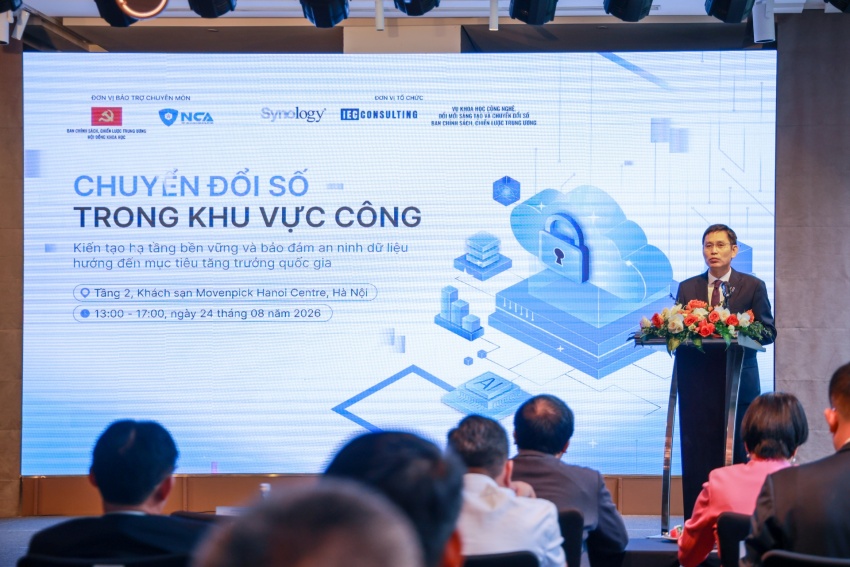
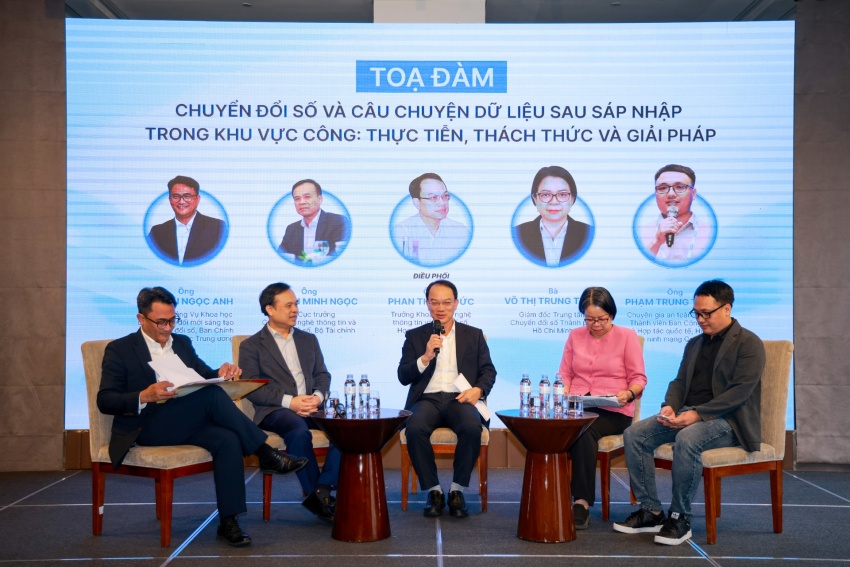
On August 24, the Central Policy and Strategy Commission and the National Cybersecurity Association, as professional co-sponsors, in coordination with Synology Vietnam and IEC Consulting, held a conference in Hanoi titled “Digital Transformation in the Public Sector: Building Sustainable Infrastructure and Ensuring Data Security Towards National Growth Targets.”

The conference took place as the public sector undergoes a “dual” transformation: restructuring the organisational apparatus while simultaneously redesigning operating models on digital platforms. The two-tier local government model is placing greater demands on data-driven governance, particularly at the commune level, where most public services are delivered directly to citizens.

Nguyen Hong Hien, director of the Department of Science and Technology under the Central Policy and Strategy Commission, said science and technology, innovation, and digital transformation have been identified as key drivers of the new growth model. The public sector therefore cannot remain outside this process.

“In particular, the operation of the two-tier local government model since July 2025 has created significant requirements for restructuring data and digital systems. As the organisational structure and administrative boundaries change, data must also be standardised, cleansed, updated, and connected under the new model, while ensuring continuity, consistency, and uninterrupted public services,” said Hien.

“The target by 2030 is to fully digitise records and results of administrative procedures, uniformly use shared digital platforms, and standardise and connect databases so they are ready for AI applications. However, in practice, data remains fragmented, quality is uneven, and interoperability between systems remains limited.”

Data and resilience drive Vietnam’s digital government
Nguyen Hong Hien, director of the Department of Science and Technology under the Central Policy and Strategy Commission. Photo: IEC Consulting

Jola Le, country manager of Synology, said data protection should be viewed as an ecosystem encompassing data storage, management, backup, recovery, access control, and security monitoring.

One of the solutions introduced at the conference was air-gapping, which enables backup systems to be isolated from the network when they are not required or when abnormal activity is detected, providing an additional layer of protection against the risk of data being encrypted or destroyed.

“Public-sector digital transformation therefore faces a dual requirement: systems must be sufficiently open to connect, share, and utilise data, while also being sufficiently secure to control, protect, and recover data when incidents occur,” said Le.

“In the process of building digital government and data-driven governance, security cannot be an additional layer added at the end. It must be embedded from the design stage of infrastructure, system architecture, and data organisation. This is also a critical condition for sustainable public-sector digital transformation, ensuring the continuity of government operations and essential services for citizens and businesses.”

Data and resilience drive Vietnam’s digital government
Photo: IEC Consulting

Notably, Pham Trung Thanh, an expert at the National Cybersecurity Association, warned that the transition from physical infrastructure to cloud environments is forcing many agencies to operate legacy and new systems simultaneously, creating complex architectures while dedicated information security personnel remain limited.

“The risk does not only arise when a system is attacked,” said Thanh. “Hackers can remain hidden inside a system for months, seeking to escalate their privileges before launching an attack. By then, data may have been stolen or encrypted, while systems providing services to citizens could face disruption.This also shows that simply backing up data is no longer sufficient. If backup systems remain connected to the network, attackers may attempt to destroy or encrypt the backup data as well.”

Vu Duy Hien, deputy secretary general cum chief of office under the National Cybersecurity Association, said that as data becomes a strategic asset and resource, the requirement is not only to manage and utilise it, but more importantly, to ensure its protection.

“Cybersecurity must be built in from the outset when infrastructure is developed, data is organised, and digital systems are designed,” said Hien. “Alongside prevention capabilities, agencies and organisations need to proactively build detection, response, and recovery capabilities so that essential operations can continue and quickly return to normal when incidents occur. This is a critical aspect of today’s approach to data security. Protecting data is not only about preventing an attack; it must also account for scenarios in which a system has already been compromised, data has been encrypted, or services have been disrupted.”

Vietnam to assign unique digital ID codes to land plots Vietnam to assign unique digital ID codes to land plots

Land plots are set to be assigned a unique identification code independent of administrative boundaries, paving the way for a shift from land-certificate-based management to data-driven management and integration with VNeID, allowing people to access land information publicly and transparently.

Smarter infrastructure design key to Vietnam’s AI ambitions Smarter infrastructure design key to Vietnam’s AI ambitions

As AI adoption accelerates, enterprises are facing growing pressure to ensure that their underlying infrastructure can support increasingly demanding workloads while keeping data secure and operations resilient.

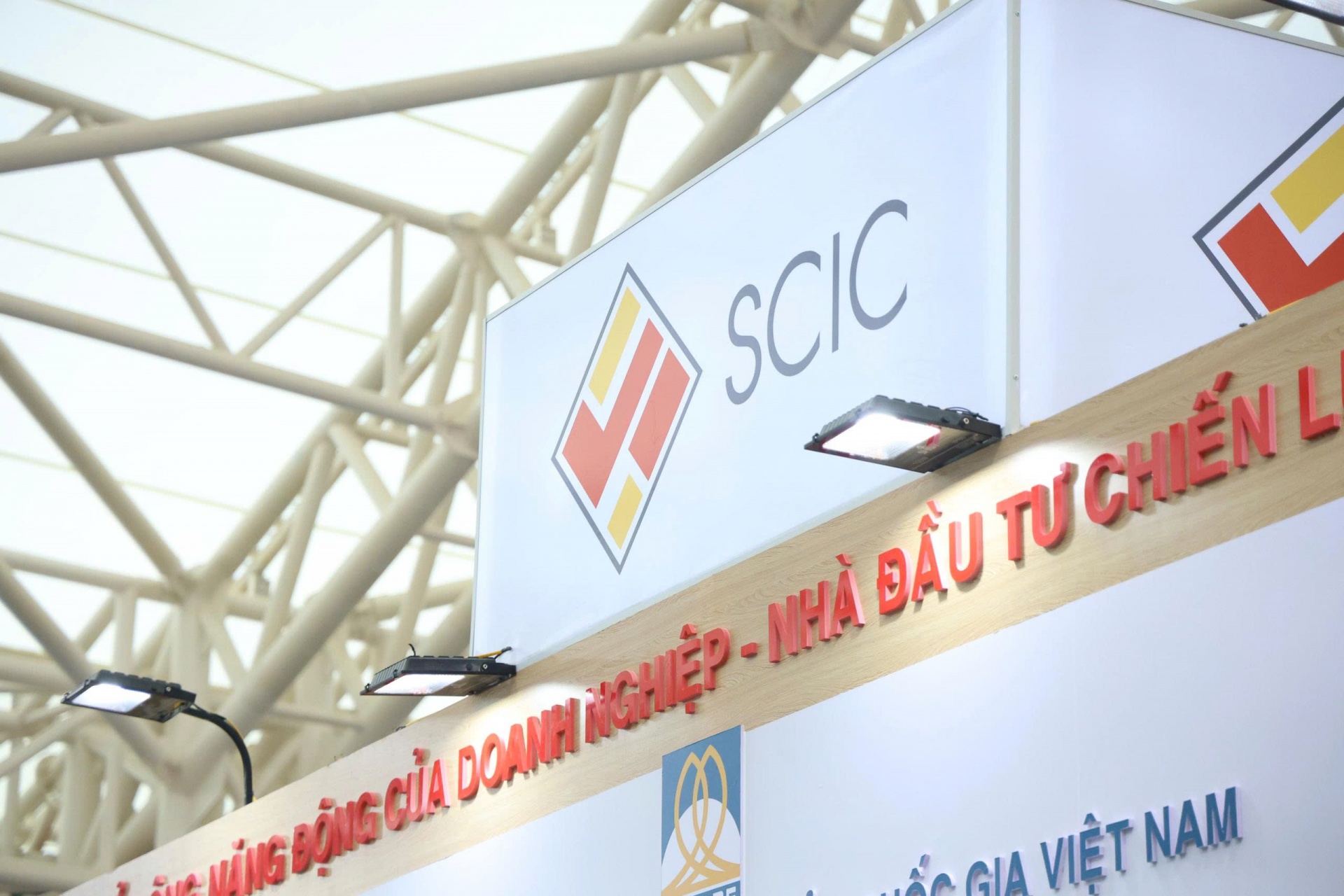
Under its 2026-2030 capital restructuring plan, State Capital Investment Corporation (SCIC) is expected to fully divest its holdings in firms across a wide range of sectors, from industrial manufacturing, steel, textiles and energy to construction, logistics, trade and seafood.

Among the notable names are Tien Phong Plastic JSC, Domesco Medical Import Export Corporation, Vietnam Steel Corporation (VNSTEEL), and Vietnam National Seaproducts Corporation (Seaprodex), to name but a few.

The legal framework for SCIC’s capital restructuring plan is provided by prime ministerial Decision No.40/2026/QD-TTg, issued on August 5, and government’s Decree No.57/2026/ND-CP, issued on February 12, establishing a clearer legal framework for the restructuring of state capital during 2026-2030.

SCIC divestment drive opens investment opportunities across key sectors
Photo: Dung Minh

Under the new regulations, state-owned enterprises are divided into three main groups. The first comprises enterprises in which the state retains 100 per cent ownership, including those in railways, air traffic management, postal services, banknote printing, lotteries and Vietnam Bank for Agriculture and Rural Development.

The second consists of businesses in which the state holds at least 65 per cent of the capital, covering airports, seaports and large-scale mineral extraction units.

The remaining group comprises enterprises in which the state holds from 50 per cent to less than 65 per cent, including key petroleum importers with a market share of at least 30 per cent, such as Petrolimex, and telecommunications infrastructure service providers.

According to experts, once ownership limits for each sector are clearly defined, investors will have a better basis for identifying enterprises where state capital could be increased and those where there is room for the state to reduce its ownership.

Of the 66 enterprises on the list for full divestment over the next five years, many own valuable land banks, having established brands, strong market positions or high state ownership ratios.

A notable example is VNSTEEL, where SCIC is currently the controlling shareholder with a 93.93 per cent stake, equivalent to more than 636.8 million shares. With a market share of around 11.6 per cent in the construction steel segment, it is expected to benefit directly from strong growth in public investment in the coming years.

In terms of business performance, VNSTEEL posted impressive results in the first six months of the year, with revenue reaching $989.9 million and pre-tax profit nearly $28.7 million, up 13.2 per cent and 72.4 per cent, respectively, from the same period in 2025.

Notably, this growth follows a recovery that began in 2025, when the company recorded pre-tax profit of $26.4 million, up 69.6 per cent on-year.

Another company of interest in SCIC’s portfolio is Seaprodex. As of the end of 2025, SCIC held approximately 63.38 per cent of the company. Seaprodex’s appeal to the market extends beyond its seafood export business to its valuable land bank.

At Tien Phong Plastic, SCIC is currently the largest shareholder, holding a 37.1 per cent stake, and the company is on the list of enterprises slated for full divestment. It is one of the major players in the plastic pipe industry, with approximately 60 per cent of the northern market and 30 per cent of the nationwide market.

According to its business performance reports for 2022-2025, Tien Phong Plastic’s pre-tax profit has grown by more than 10 per cent annually. In the first six months of 2026, the company posted pre-tax profit approximating $35.2 million, up 38.4 per cent on-year.

Domesco Medical Import Export Joint Stock Corporation – a company operating four factories meeting GMP-WHO standards, including three pharmaceutical chemical plants and one plant producing herbal medicines and health supplements – will also be divested by SCIC.

SCIC had previously launched its divestment plan three times through auctions of more than 12.1 million shares, equivalent to 34.71 per cent of Domesco’s charter capital, but the process has yet to be completed. At the most recent offering in 2025, the total starting price for the share lot was set at more than $61.2 million.

SCIC will continue to invest in and retain stakes in 21 entities operating in its strategic areas of strength, including manufacturing, infrastructure, technology and healthcare.

Notable names in this portfolio include Vietnam Dairy Products JSC, Saigon Beer – Alcohol – Beverage Corporation, FPT Corporation, Hau Giang Pharmaceutical JSC, Traphaco JSC, Bao Minh Insurance Corporation, Vietnam National Reinsurance Corporation and Song Da Corporation.

According to a report by BIDV Securities Company (BSC), the equitisation and divestment of state-owned enterprises, along with IPO activities in the stock market, are showing signs of picking up again after a prolonged subdued period.

Alongside the requirement to restructure the state-owned enterprise sector, the need to mobilise resources for economic development and policy changes, BSC expects the market could be entering a new wave of IPOs, equitisation and divestment through share auctions.

SCIC to hold 31.08 per cent of charter capital of Vietnam Airlines SCIC to hold 31.08 per cent of charter capital of Vietnam Airlines

State Capital Investment Corporation bought Vietnam Airlines (HSX: HVN) shares to hold at least 31.08 per cent of the charter capital to help the company overcome its difficulties amid the COVID-19 pandemic.

SCIC plans to sell stakes in over 30 enterprises SCIC plans to sell stakes in over 30 enterprises

State Capital Investment Corporation (SCIC) will offload capital in 31 enterprises, including FPT Corporation, Tien Phong Plastic, and other companies on the stock exchange.

SACE and SCIC sign MoU to strengthen cooperation between Italy and Vietnam SACE and SCIC sign MoU to strengthen cooperation between Italy and Vietnam

Italian insurance and finance group SACE announced on October 24 that it had signed an MoU with the State Capital Investment Corporation (SCIC).

State sector sees broad-based profit surge as major groups deliver strong results State sector sees broad-based profit surge as major groups deliver strong results

A broad-based upswing among state-owned groups and corporations was recorded in 2025, with many key entities recording double-digit growth in both revenue and profit.

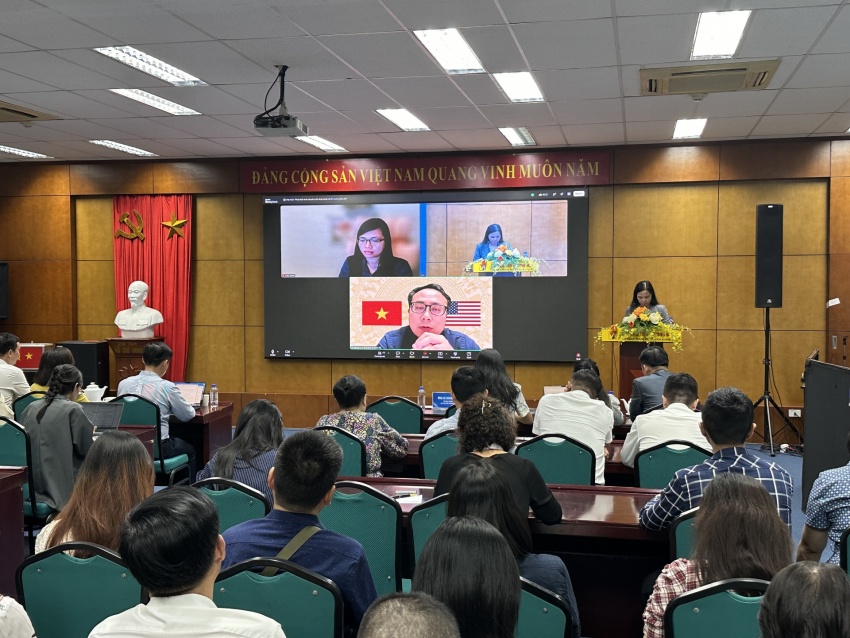
Vietnam urged to strengthen compliance and competitiveness to expand US market access
Le Hoang Tai, deputy director general of Vietrade. Photo: Trong Nghia

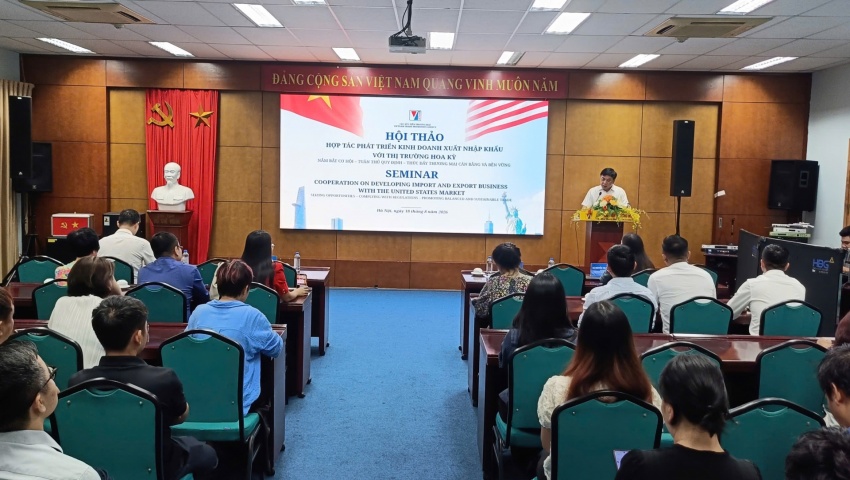
Speaking at the opening, Le Hoang Tai, deputy director general of Vietrade, said the United States is one of Vietnam’s most important export markets, with a large consumer base, strong purchasing power, diverse distribution networks and broad demand.

The market is highly competitive and imposes strict requirements on product quality, traceability, labelling, environmental standards, labour practices and intellectual property protection.

Vietnamese companies need to increase the value added of their products, diversify their offerings and expand imports of machinery, technology, materials, products and services from the US, Tai said. “Compliance must be considered a core element of competitiveness,” he said.

Do Ngoc Hung, trade counsellor and head of the Vietnam Trade Office in the US, said two-way trade reached approximately $132.4 billion in the first six months of 2026, making Vietnam the US’ fifth-largest trading partner and its largest source of trade surplus.

However, trade remains heavily concentrated in the foreign-invested enterprises (FIEs). During the first seven months of 2026, FIEs accounted for more than 80 per cent of Vietnam’s total exports and recorded a trade surplus of nearly $8 billion.

Domestic businesses accounted for about 19.9 per cent of exports and posted a trade deficit of approximately $28.5 billion.

The figures highlight the need to strengthen the competitiveness of domestic companies, increase localisation and value added, and improve their ability to participate in supply chains, Hung said. These measures are also important in addressing risks related to transhipment and origin fraud.

The US has more than 330 million consumers, with personal consumption expenditure estimated at $12.1 trillion, equivalent to roughly 68 per cent of GDP. The country is expected to import about $3.4 trillion worth of goods in 2026.

Significant differences among US states mean Vietnamese companies need to identify specific consumer segments and market niches before entering the market, Hung said.

Vietnam urged to strengthen compliance and competitiveness to expand US market access
Photo: Nguyen Huong

According to Hung, opportunities in the US market can translate into sustainable advantages only when businesses can manage regulatory and operational risks.

Vietnamese companies need to closely monitor US trade regulations, including Most-Favoured-Nation treatment, measures under Section 301 of the US Trade Act of 1974, Section 232 and the Uyghur Forced Labour Prevention Act.

From July 24, the additional 10 per cent tariff under Section 301 related to forced-labour concerns was removed and replaced by a 12.5 per cent tariff on Vietnamese goods, except for products covered by exemption lists, he said.

For imported inputs, businesses need to maintain documentation and data demonstrating substantive manufacturing processes in Vietnam and comply with product-specific rules of origin.

The Vietnam Trade Office in the US recommended that companies professionalise their English-language documentation, clearly specifying HS codes, certificates, sources of materials, factories, production capacity, minimum order quantities, delivery times and quality-control procedures.

Dinh Dieu Linh, a representative of STSB CPA tax advisory firm, highlighted several challenges facing Vietnamese exporters, including 60-120-day collection cycles, banking and SWIFT costs, USD/VND exchange rate fluctuations, limited US credit histories, state-level sales taxes and differences between Vietnam’s Accounting Standards (VAS) and US Generally Accepted Accounting Principles

Incorrect or incomplete filing of Form W-8BEN-E could result in US partners withholding 30 per cent of gross payments for remittance to the US Internal Revenue Service, she said.

Companies also face a starting penalty of $25,000 for each late or incomplete Form 5472 filing, with an additional $25,000 imposed every 90 days if the issue is not resolved.

“US tax and accounting should not be treated as year-end administrative procedures. They are part of a company’s risk-management strategy,” Linh said.

She recommended measures including export factoring and purchase-order financing, which can provide advances equivalent to 80-90 per cent of invoice value, as well as foreign-exchange hedging, payment optimisation and appropriate legal-entity and transfer-pricing structures.

Vietnam urged to strengthen compliance and competitiveness to expand US market access
Tran Lich, director of VISIA. Photo: Trong Nghia

Tran Lich, director of VISIA and general coordinator of Ready2US – Ready for the US Market, said approximately 85 per cent of surveyed businesses are not yet fully prepared to enter the US market.

The five key challenges identified by the survey were understanding the US market and consumers, cited by 77.3 per cent of respondents; a lack of marketing strategies and sales channels, 76 per cent; legal and compliance requirements, 58.7 per cent; working capital and cash-flow management, 56 per cent; and developing appropriate branding, design and research and development (R&D), 53.3 per cent.

“A good product alone is not enough to enter the US market,” Lich said.

Businesses need a comprehensive roadmap covering market research, legal compliance, go-to-market strategy, R&D, financing, logistics and sales channels.

Early preparation for requirements from agencies such as the US Food and Drug Administration, Consumer Product Safety Commission and US Department of Agriculture, along with intellectual property protection, can shorten negotiations by three to 12 months and help protect cash flow, he said.

VISIA and Ready2US have developed a 2026 US Market Readiness Checklist to help businesses assess their preparedness before making investments.

Experts at the seminar agreed that Vietnamese companies need to move beyond the mindset of simply having products available for export and focus on building sustainable competitive capabilities.

Long-term success in the US market requires companies to conduct proactive market research, manage finances, demonstrate product origin, control supply chains and comply with US regulations.

The seminar’s policy discussions and business-to-business connections highlighted the importance of greater preparedness, transparency and professionalism as Vietnamese companies seek to expand exports and strengthen their position in the US market.

US retail giant Target eyes Vietnamese suppliers US retail giant Target eyes Vietnamese suppliers

Target, one of the US’ largest retail groups, will make its first appearance at Vietnam International Sourcing 2026, as it looks to expand its network of Vietnamese suppliers across a range of consumer product categories.

US businesses remain committed to Vietnam with measured outlook US businesses remain committed to Vietnam with measured outlook

While business confidence has become more measured compared with the optimistic outlook at the beginning of the year, US companies remain committed to Vietnam.

US introduces new 10 and 12.5 per cent tariffs, replacing temporary 10 per cent levy US introduces new 10 and 12.5 per cent tariffs, replacing temporary 10 per cent levy

The United States has introduced new import tariffs of 10 and 12.5 per cent, replacing the temporary 10 per cent tariff that expired at the same time.

The Department of Taxation held a working session with a delegation of International Monetary Fund (IMF) experts on August 17 to exchange experience, assess the current state of tax administration and explore ways to reform the tax administration model for large enterprises, with a focus on strengthening compliance risk management and aligning with international practices.

Tax administration for large enterprises requires a different approach
Le Long, deputy director general of the Department of Taxation. Photo: Phuong Thao

Speaking at the meeting, deputy director general of the Department of Taxation Le Long said the IMF’s recommendations on assessing tax administration performance, managing compliance risks and modernising taxpayer administration were valuable both technically and practically for Vietnam’s tax authorities.

The Department of Taxation is studying and incorporating a number of these recommendations into ongoing efforts to improve the legal framework, restructure its organisational system, reform business processes and modernise tax administration methods, he said.

Vietnam’s tax sector is entering a period of far-reaching reform, with significant changes to the legal and administrative framework. The Law on Tax Administration, No.108/2025/QH15, and its implementing regulations took effect on July 1, 2026, providing a new legal framework for tax administration.

“Alongside the transition to a new organisational structure, the tax sector is accelerating digital transformation, making greater use of electronic invoice data and interconnected databases, strengthening risk analysis and compliance management, and expanding digital tax services,” he said.

“These changes create opportunities to improve the efficiency of tax administration while placing greater demands on governance capacity, data quality, business processes, technology and the skills of tax officials,” he added.

Regarding tax administration for large enterprises, Long said its Large Enterprise Tax Branch currently directly manages 393 enterprises, including major corporations, state-owned groups, large foreign-invested companies and businesses operating in specialised sectors. Tax revenue from this group accounts for approximately 25 per cent of total domestic tax revenue.

Large taxpayers typically have significant scale and broad operations, complex ownership and organisational structures, and extensive related-party and cross-border transactions. They also engage in specialised financial activities and new forms of business arising from the digital economy.

“Compliance risks for these enterprises extend beyond registration, tax filing and payment. They increasingly involve the determination of tax liabilities, related-party transactions and transfer pricing, the allocation of costs and capital, the valuation and use of intangible assets, income from specialised business activities, the application of tax treaties and the treatment of emerging business models,” Long said.

As a result, tax administration for large enterprises cannot rely solely on individual inspections or risk mitigation after problems have emerged. Tax authorities need to identify risks at an earlier stage, allocate resources strategically, tailor management measures to taxpayers’ levels of compliance and provide stronger support to help businesses meet their tax obligations, he added.

The Department of Taxation outlined five key expectations for the cooperation programme. These include an independent and objective assessment of the functions, responsibilities, organisational structure, staffing and core business processes of the Large Enterprise Tax Branch; an assessment of its current maturity in applying compliance risk management and the gaps compared with international practices; recommendations on tools that can be implemented immediately; a feasible future operating model with performance indicators; and an action plan for reform that can serve as the basis for translating the recommendations into specific tasks.

Tax administration for large enterprises requires a different approach
Patrick De Mets, an IMF expert. Photo: Phuong Thao

Speaking at the session, Patrick De Mets, an IMF expert, welcomed the Department of Taxation’s proactive approach to reforming tax administration, particularly its shift from traditional administration towards a model based on taxpayers’ risks and levels of compliance.

As business activities become increasingly complex, developing a specialised administration model for large enterprises is essential, Mets said. Such a model would enable tax authorities to focus resources on high-risk sectors, businesses and transactions while improving support for taxpayers with strong compliance records.

“Managing large enterprises requires a different approach. Tax authorities need to understand taxpayers’ business activities, identify risks at an early stage and develop appropriate strategies to improve compliance across different taxpayer groups. International practices should be adapted to Vietnam’s circumstances, with feasibility and administrative effectiveness as key priorities,” Mets said.

The working programme between the Department of Taxation and the IMF delegation provided a stronger practical basis for further reforming the administration of large enterprises, improving compliance risk management, making more effective use of resources and gradually aligning Vietnam’s tax administration with international best practices.

The cooperation is also expected to support the tax sector’s broader efforts to modernise its administration system in line with the requirements of the new reform phase.

Finance ministers cement fiscal cooperation Finance ministers cement fiscal cooperation

Vietnam and the Czech Republic are deepening fiscal ties and strategic cooperation for sustainable development.

Overhaul of tax sector boosts operational effectiveness Overhaul of tax sector boosts operational effectiveness

The tax sector has embarked on a major restructuring and efficiency drive to strengthen service delivery for citizens and businesses.

Tax sector pushes digital transformation in administration overhaul Tax sector pushes digital transformation in administration overhaul

The tax sector is restructuring administrative processes to build a modern, transparent system, leveraging digital technology and data to improve compliance, efficiency, and risk management.

VinSpace partners with SpaceX
VinSpace’s satellites will launch aboard a Transporter rideshare mission in 2027 as part of SpaceX’s rideshare programme. Photo: VinSpace

Under the agreement, VinSpace’s satellites will launch aboard a Transporter rideshare mission in 2027 as part of SpaceX’s rideshare programme, which enables multiple customers to share a single launch.

VinSpace is responsible for the research, development, manufacturing and on-orbit operation of its satellites. The satellites will support the on-orbit demonstration of in-house developed technologies, strengthen VinSpace’s satellite engineering capabilities, and pave the way for future commercial space applications.

The agreement provides an important foundation for VinSpace’s first satellite missions. In April 2026, the company announced its plan to develop and launch its first satellites into orbit in 2027.

The agreement represents another important step in VinSpace’s long-term vision to become a full-stack aerospace company, developing capabilities across the entire space value chain – from satellite design and manufacturing to Assembly, Integration and Testing, launch mission management, satellite operations, and downstream space data products and services.

Selecting SpaceX as its launch service provider reflects VinSpace’s strategy of working with the world’s leading technology companies to realise its first space missions.

Thu Vu, CEO of VinSpace said, “Reliable access to space is fundamental to turning satellite innovation into operational missions. This contract with SpaceX is an important milestone in VinSpace’s long-term strategy to help build Vietnam’s space ecosystem and strengthen the country’s position within the global space economy.”

VinSpace’s upcoming satellite missions are expected to provide an important platform for in-orbit technology validation, accelerate the development of Vietnam’s aerospace talent, deepen international collaboration, and support the commercialisation of space technologies.

As satellites, low Earth orbit constellations and other space technologies become increasingly important to economic growth, infrastructure resilience and national technological competitiveness, VinSpace is committed to strengthening Vietnam’s sovereign space capabilities while delivering commercially solutions for customers across Vietnam, Southeast Asia and international markets.

VinSpace plans first nano-satellite launch in 2027 VinSpace plans first nano-satellite launch in 2027

VinSpace, part of Vietnamese conglomerate Vingroup, plans to launch its first nano-satellites into orbit in 2027.

SpaceX to launch 100 per cent foreign-invested business in Vietnam SpaceX to launch 100 per cent foreign-invested business in Vietnam

SpaceX is completing procedures to establish a 100 per cent foreign-invested business in Vietnam.

SpaceX appoints Vietnamese CEO to lead Starlink Vietnam operations SpaceX appoints Vietnamese CEO to lead Starlink Vietnam operations

SpaceX’s Starlink has appointed Do Ba Thich as CEO of its Vietnam entity, placing a young Vietnamese executive at the helm of its local operations for the first time.