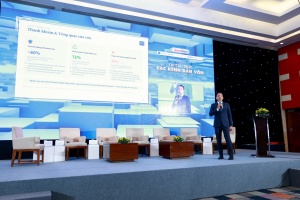
The Next Wave of Startups (NWoS) Incubation Program 2026 was announced at the Founders’ Meetup #1 policy seminar in Ho Chi Minh City on July 31.

The event provided a comprehensive overview of Vietnam’s policies supporting startups and innovation, while offering practical guidance on how startups can effectively access resources across the innovation ecosystem.

According to Dinh Xuan Tu, acting director of the Technology Incubation Centre under the Department of Startups and Technology Enterprises at the Ministry of Science and Technology (MoST), developing a vibrant startup and innovation ecosystem, particularly technology spin-off enterprises, is increasingly important as science and technology, innovation, and digital transformation become key drivers of economic growth and national competitiveness.

“Under new resolutions and relevant directives, the Department of Startups and Technology Enterprises has led the formulation of key policies to foster innovation and technology enterprise development,” Tu said.

According to the MoST, Vietnam’s innovation startup ecosystem has made significant progress, with around 4,000 innovative startups, nearly 210 venture capital funds, close to 200 incubators, and approximately 1,000 enterprises certified as sci-tech businesses. In addition, more than 40 technology spin-offs have been established from research institutes, universities, and corporations.

However, from a public administration perspective, Tu noted that the number of technology spin-offs in Vietnam remains well below the country’s research and innovation potential.

“The commercialisation of research outcomes continues to face significant challenges. Limited access to capital, expert support, markets, and government support policies remains a major obstacle for many startups and technology spin-offs. These are also the issues that policymakers are working to address by refining mechanisms to create a more enabling environment for innovation and enterprise development in the years ahead,” he said.

Nguyen Dac Binh Minh, deputy director general of the National Academy for Advanced Techonogy and Innovation under the MoST, said Vietnam needs to foster a new entrepreneurial mindset, encouraging young people to seek employment after graduation and become founders and leaders of future technology enterprises and corporations.

According to Minh, the government is shifting from a regulatory mindset to a development-oriented, enabling approach that recognises businesses and innovation as key drivers of economic growth.

“Alongside the new legal framework, the government is introducing a range of policies to strengthen the innovation ecosystem. These include regulations on the National Venture Capital Fund, financial mechanisms for science, technology and innovation, public-private partnerships in sci-tech, technology market development, as well as policies to support startups and innovation networks,” Minh said.

Following its inaugural edition in 2025, the Next Wave of Startups initiative, launched by WorkFlow, the Open Innovation & Technopreneur Institute, and partners to support Vietnam’s and the region’s startup ecosystem, has entered a new phase with the launch of the NWoS Incubation Program 2026.

While the 2025 edition focused on identifying and selecting promising startups through a competition format, the 2026 programme marks a shift towards a comprehensive incubation model. The initiative is designed to support startups in refining their business models, expanding into new markets, and strengthening their long-term growth potential.

The 2025 NWoS offering attracted nearly 200 applications, bringing together almost 40 local and international experts and mentors, as well as more than 1,000 participants, including representatives from organisations, businesses, and international partners. These outcomes reflected the strong interest of the startup community while providing organisers with valuable insights into the evolving needs of Vietnamese startups as they move into their next stage of development.

As Vietnam’s innovation ecosystem continues to mature, an increasing number of startups have progressed beyond the ideation stage, with early products already in the market. They are now facing more complex challenges, including validating business models, acquiring enterprise customers, expanding into new markets, and preparing for fundraising rounds. In response, the programme has evolved into an incubation model focused on providing long-term, hands-on support, rather than limiting its role to identifying and selecting promising startups.

New programme addresses changing startup landscape
Private capital market shifts from growth-at-all-costs to patient capital Private capital market shifts from growth-at-all-costs to patient capital

As Vietnam’s private capital market matures, investors are shifting their focus from aggressive expansion to long-term, sustainable growth. At the VIPC Summit on May 28, Nguyen Thanh Thao, CEO of Thien Viet Securities (TVS) explained why ‘patient capital’ – capital focused on governance, operational resilience, and sustainable value – is becoming the new benchmark.

Capital concentrated in later-stage startups, leaving funding gaps for early ventures Capital concentrated in later-stage startups, leaving funding gaps for early ventures

Capital remains available for Vietnam’s innovation economy, but it is becoming increasingly concentrated in later-stage companies, exposing critical funding and exit gaps that could constrain the next generation of startups.

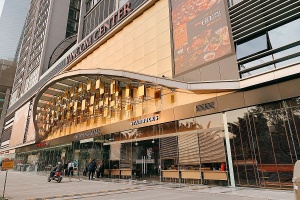
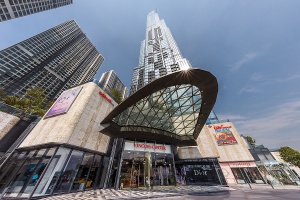
Photo: Vincom Retail

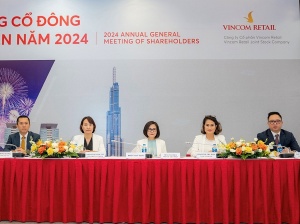
On July 29, Vincom Retail released its consolidated financial statements for the second quarter, reporting net revenue of approximately $91 million, up 11 per cent on-year.

Revenue from shopping mall leasing and related services reached around $87.2 million, an increase of 10 per cent on-year. The growth was driven by an improvement in the occupancy rate, which rose 2.3 percentage points to 88.6 per cent at the end of the second quarter, a slight increase in average rental rates across the portfolio, and contributions from shopping centres opened in the second half of 2025.

Excluding the performance of Vincom Center Nguyen Chi Thanh, leasing and related service revenue increased 11.5 per cent on-year during the quarter.

In addition to its core business, financial income remained a key earnings driver. Financial revenue rose 25 per cent on-year to approximately $32.5 million in the second quarter, bringing the total for the first six months of 2026 to around $65 million.

The largest contributor to financial income was interest earned from deposits, loans, and deposits paid, totalling approximately $32.7 million during the quarter. Meanwhile, financial expenses declined 18 per cent to around $8.5 million, including interest expenses of approximately $7.7 million.

After accounting for expenses and taxes, Vincom Retail posted net profit of approximately $61.9 million in the second quarter, up 30 per cent compared to a year earlier.

The company said its adjusted consolidated net revenue, calculated by adding pro forma revenue from the transfer of investment property recorded in the first quarter to reported net revenue, and first-half after-tax profit had respectively fulfilled 49 per cent and 58 per cent of its full-year 2026 targets.

Part of the Vingroup ecosystem, Vincom Retail operates the country’s largest shopping mall network, comprising 90 shopping centres across 31 provinces and cities with a total gross floor area of nearly 1.91 million square metres.

For 2026, the company targets revenue of approximately $390 million and after-tax profit of around $207 million.

According to the company, Vincom shopping centres welcomed 112 million visitors in the first half of the year, while its commercial streets attracted 4.2 million visitors, representing on-year increases of 11.6 per cent and 16.3 per cent, respectively.

In the third quarter, Vincom Retail plans to continue expanding its network with the opening of Vincom Plaza Dan Phuong, which is scheduled to commence operations in August.

Vingroup divests from Vincom Retail Vingroup divests from Vincom Retail
Vincom Retail retains brand name following Vingroup divestment Vincom Retail retains brand name following Vingroup divestment
Vincom Retail poised for growth Vincom Retail poised for growth
Vincom Retail named among Forbes Vietnam's top 25 leading brands Vincom Retail named among Forbes Vietnam’s top 25 leading brands

Vincom Mega Mall Ocean City – a “rookie” magnet for international brands Vincom Mega Mall Ocean City – a “rookie” magnet for international brands

Vincom Mega Mall Ocean City unveils lineup of unprecedented experiences Vincom Mega Mall Ocean City unveils lineup of unprecedented experiences
Vincom Retail transfers ownership of Vincom Centre Nguyen Chi Thanh Vincom Retail transfers ownership of Vincom Centre Nguyen Chi Thanh

Vincom Retail Debuts Multi-Experience Commercial Concept Vincom Retail Debuts Multi-Experience Commercial Concept

The Ministry of Finance (MoF) has rolled out a series of tax, fee, and charge measures in 2026 to support businesses and individuals while promoting economic growth. Among the most significant measures is the extension of the 2 percentage-point reduction in VAT through the end of 2026.

In response to volatility in global energy markets, the MoF has also advised the government and the National Assembly to adopt a series of tax relief measures on petroleum products during 2026.

Tax incentives drive small business investment and expansion

These included reductions in preferential import tariffs, environmental protection tax, VAT and special consumption tax (SCT) on petrol and oil products during appropriate periods, helping stabilise fuel supplies and curb rising energy prices.

Alongside these short-term measures, the MoF proposed amendments to several tax laws, which were adopted by the National Assembly on April 24 as Law No.09/2026/QH16.

The legislation raises the revenue threshold below which individual business operators are exempt from personal income tax, increases the VAT exemption threshold for household businesses and individual entrepreneurs, and extends the preferential SCT treatment for battery-powered vehicles carrying fewer than 24 passengers through the end of 2030.

The government has also issued regulations extending payment deadlines for VAT, corporate income tax, personal income tax and land rental fees in 2026, easing cash-flow pressures for businesses and household enterprises.

The coordinated implementation of tax and fee measures has received broad support from both the business community and the public, helping lower input costs, support production and business activities, create jobs, contain inflation and maintain macroeconomic stability.

According to data from the Tax Department under the Ministry of Finance, total tax reductions reached approximately $2.21 billion in the first six months of 2026.

Specifically, reducing the VAT rate from 10 per cent to 8 per cent allowed businesses to retain approximately $875.6 million. More importantly, operating cost pressures were substantially eased after the environmental protection tax on petrol and oil was reduced to zero per litre, providing support equivalent to approximately $1.07 billion.

In addition, the application of a zero per cent SCT on petrol reduced costs by a further $148 million, while the abolition of the business licence fee from the beginning of 2026 enabled small businesses and household enterprises to save approximately $116 million.

These figures underscore the effectiveness of the government’s policy approach, which contributed to GDP growth of 8.18 per cent in the first half of 2026.

They also reflect the government’s strategy of accepting lower short-term budget revenues to foster stronger long-term revenue generation.

Mac Quoc Anh, vice chairman and secretary general of the Hanoi Small and Medium-sized Enterprises (SMEs) Association, said Vietnam has introduced a series of tax measures in recent years to support SMEs, a key segment of the private sector that makes a significant contribution to economic growth and employment.

“Revised tax laws provide preferential tax rates for SMEs, particularly micro-enterprises and household businesses,” said Quoc Anh, “Tax exemptions, reductions, and payment deferrals have helped businesses maintain liquidity, secure cash flow for wages and raw materials, and support a return to growth.”

“They also encourage companies to invest in machinery, improve production processes, and move towards meeting environmental, social, and governance standards and advancing the green transition,” he added. “These are essential conditions for SMEs to scale up rapidly, develop sustainably, and integrate into global value chains.”

Bui Manh Toan, chairman and CEO of Vietnox JSC, said tax incentives are among the most important tools for helping SMEs accelerate growth while pursuing long-term sustainability.

“When tax burdens are reduced, businesses have greater resources to invest in production, technological innovation, product quality improvements, and market expansion,” he said. “However, tax and fee incentives should be complemented by broader support measures, including improved access to finance and stronger corporate governance capabilities. Such a comprehensive policy framework will help SMEs achieve stable and sustainable long-term growth.”

Tax incentives set to accelerate EV adoption and curb pollution Tax incentives set to accelerate EV adoption and curb pollution

Vietnam is moving to extend tax breaks for electric vehicles, aiming to accelerate adoption, cut emissions and support industry growth as the country pushes forward with its green transition agenda.

VCCI agrees with proposal to extend tax incentives for EVs VCCI agrees with proposal to extend tax incentives for EVs

The Vietnam Chamber of Commerce and Industry agrees with the Ministry of Finance’s proposal to extend the special consumption tax on motor vehicles under 24 seats powered by batteries.

Vietnam grants tax incentives for long-term fund investors Vietnam grants tax incentives for long-term fund investors

Investors holding open-ended fund certificates for more than two years have become eligible for capital gains tax exemptions from July 1, while the tax on investment income from funds has been halved under Vietnam’s revised Personal Income Tax Law.

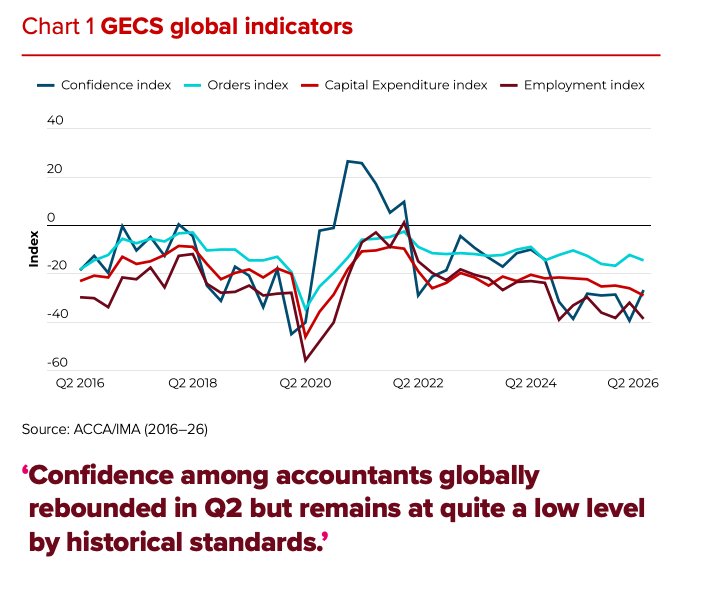
The findings of the Global Economic Conditions Survey, conducted by the Association of Chartered Certified Accountants (ACCA) and the Institute of Management Accountants (IMA) and released on July 21, highlighted the continued impact of the conflict in the Middle East on global business sentiment. The survey was conducted between 3-17 June, before the renewed fighting and resumption of the US naval blockade.

Over three-quarters of accountants globally reported increased operating costs in the second quarter (Q2), above the previous record set in the aftermath of Russia’s invasion of Ukraine, amid soaring commodity prices and supply chain disruptions resulting from the conflict. Strikingly, 83 per cent of CFOs experienced increased costs, following a record-breaking rise of over 20 percentage points from Q1. This is close to series peaks recorded in 2022 and 2023.

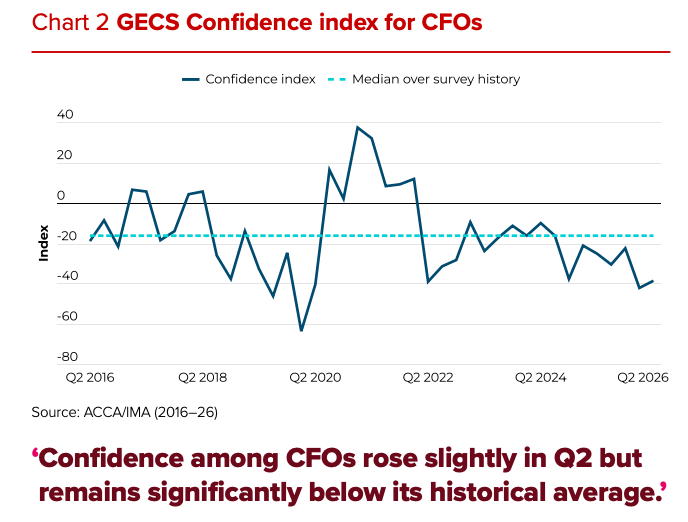
Despite soaring costs, there was some recovery in confidence among accountants globally in Q2, from what was close to a record low in Q1. While they remain quite downbeat by historical standards, the improvement likely reflects the relative resilience of the global economy and signs at the time of the survey of movement towards a potential resolution of the conflict, which may have reduced fears of worst-case scenarios.

Accountants and CFOs see sharp Q2 cost increases

That said, declines in the Global New Orders, Capital Expenditure and Employment indices point to some slowing in global growth, likely reflecting headwinds from increased private sector caution, rising inflation, and tighter-than-expected monetary policy, although they do not appear to be signalling a major economic slowdown.

Confidence among accountants remains weak by historical standards in North America and Western Europe, but after a sharp recovery in Q2 is now meaningfully above average in Asia-Pacific. While the region is very exposed to developments in the Middle East, hopes of a potential resolution of the conflict and the relative resilience of the global economy have likely been factors boosting sentiment, as well as the global AI boom, of which the region’s exporters are major beneficiaries.

Economic pressures returned as accountants’ top risk priority in Q2 2026, at 22 per cent, ahead of geopolitical instability at 20per cent and cybersecurity at 14 per cent. Respondents described how understanding today’s risk landscape extends beyond traditional economic cycle management, pointing to the converging effects of prolonged wars, rising cybercrime and policy uncertainty. AI featured prominently, with comments focusing on sustainable value, cyber resilience and accountability.

Accountants and CFOs see sharp Q2 cost increases

“The AI boom is providing major support to the global economy and financial markets, but developments in the Middle East over coming months will be crucial. If progress can be made in resolving the conflict, that would clearly be supportive for global growth as we progress through the second half of 2026. But downside risks would quickly build if there were a return to major hostilities and surge in energy prices,” said Alain Mulder, senior director, Europe Operations and Global Special Projects at IMA.

Jonathan Ashworth, chief economist at ACCA, noted that sharply rising costs were a major issue for firms in the second quarter.

“If they increasingly try to pass these on to consumers, this would significantly raise the risk of policy tightening by the world’s major central banks,” Ashworth said. “That said, policymakers will be hoping for favourable developments on the diplomatic front and a return of oil prices to around pre-crisis levels, potentially allowing them to sit on their hands for the rest of 2026.”

“Despite some improvement in confidence, accountants globally remain very cautious, likely reflecting the uncertain operating environment which has become the ‘new normal’ in recent years,” he added.

ACCA and VACPA deepen partnership to support Vietnam's green finance transition ACCA and VACPA deepen partnership to support Vietnam’s green finance transition

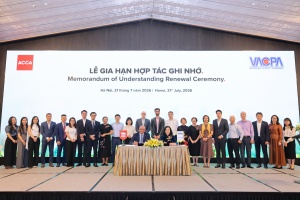
The renewal of the MoU between ACCA Vietnam and the VACPA marks not only a new chapter in their long-standing partnership, but also a shared commitment to build a transparent, sustainable financial ecosystem and address the growing risk of greenwashing.

Career guidance aligned with global norms gain traction Career guidance aligned with global norms gain traction

Moves to reinforce career guidance in general education are advancing, supported by initiatives that incorporate international professional standards into pathways for secondary school students.

Small business ESG strategies unlocked Small business ESG strategies unlocked

A true sustainability ecosystem requires global endorsement, genuine green financing, and technology solutions to lower the cost of implementation for businesses.

As Vietnam continues to accelerate the development of industrial facilities and infrastructure, particularly large-scale projects such as airports, industrial complexes, and logistics centres, the approach to design and project delivery is undergoing a significant transformation.

Whereas steel structures were once regarded primarily as a technical solution during construction, they have now evolved into a key element of the overall design process, influencing spatial planning, structural systems, and project execution strategies from the earliest stages.

In response to this trend, BMB Steel – a global steel structure contractor serving industrial, commercial and infrastructure projects – goes beyond providing steel structure solutions by working alongside project owners and design consultants from the outset of a project.

BMB Steels perspective: Steel structures drive modern construction
Na Duong II Thermal Power Plant Project

Early coordination among architectural, structural, and construction teams helps optimise space utilisation, shorten project schedules, and reduce design changes during construction.

Drawing on extensive experience delivering large-scale industrial and infrastructure projects, BMB Steel provides effective structural solutions that meet the demands of faster project delivery, future expansion, and long-term operational performance.

Several projects undertaken by BMB Steel, particularly in the heavy industrial sector, reflect the evolving approach to collaboration among project stakeholders.

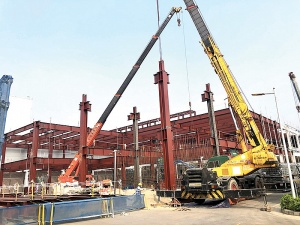
At the Na Duong II Thermal Power Plant in northern mountainous province of Lang Son, BMB Steel delivered approximately 3,800 tonnes of structural steel for the turbine building, coal storage facility, and auxiliary structures across a 7.4-hectare site.

The project required close coordination between design, fabrication, and construction to ensure seamless execution and overall schedule alignment. As a large-scale industrial facility, it required a high level of precision, as even minor deviations during design or construction could affect the entire project’s progress.

Building on its involvement in large-scale energy projects, BMB Steel also delivered approximately 5,000 tonnes of structural steel for the Quang Trach I Thermal Power Plant in Quang Binh province.

The project involved a substantial structural steel scope and required rigorous quality control throughout every stage, from fabrication to erection, while ensuring the timely delivery of one of Vietnam’s key national energy infrastructure projects.

Alongside its project delivery capabilities, BMB Steel has developed an integrated approach that combines design, fabrication, and construction.

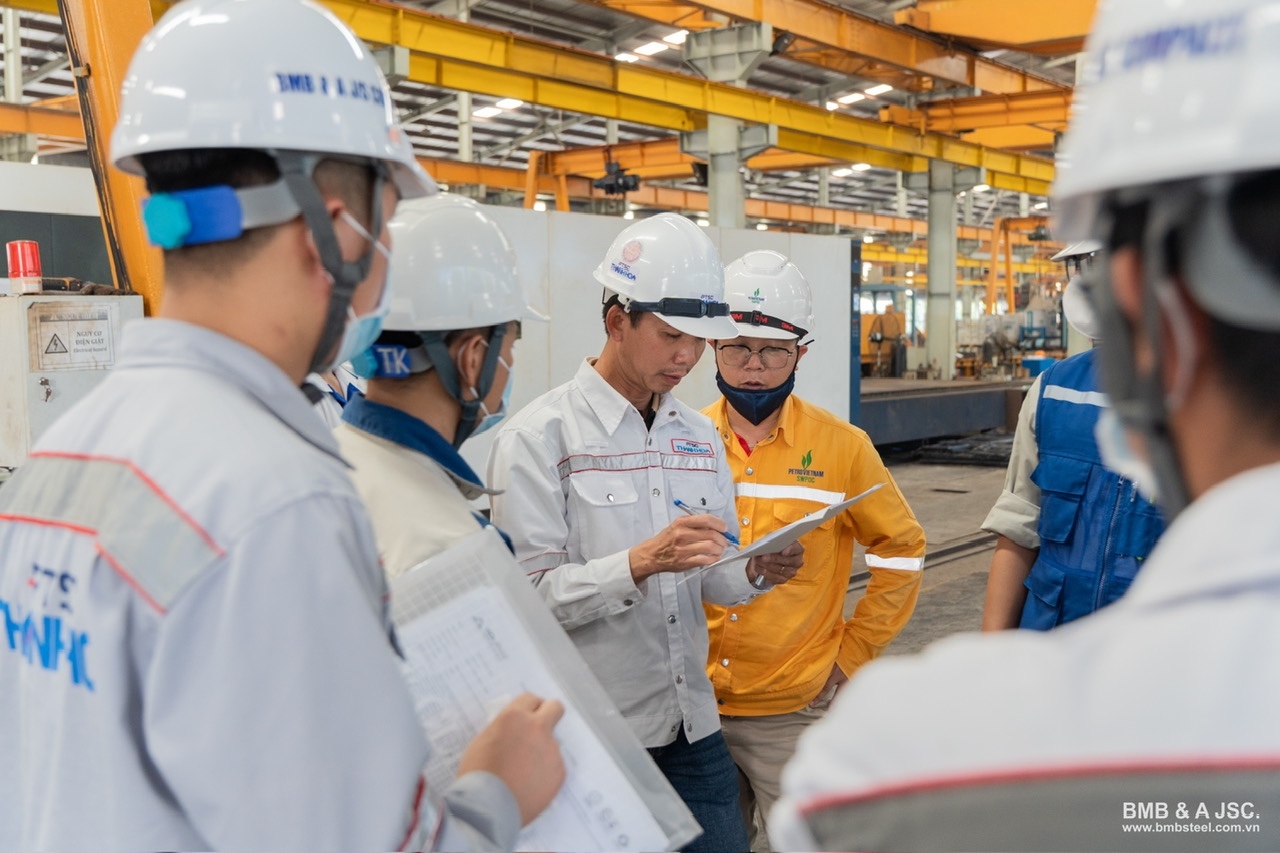
Steel components are fabricated at the company’s manufacturing facilities under a standardised quality control process before being delivered to the construction site.

This approach helps minimise discrepancies between design and on-site execution while improving schedule control for large-scale projects.

BMB Steels perspective: Steel structures drive modern construction
BMB Steel’s steel structure fabrication plant with integrated quality control

The demanding schedules of today’s industrial and infrastructure developments are also raising expectations for steel structure contractors.

Their role now extends beyond construction alone, with companies such as BMB Steel becoming increasingly involved in optimising technical solutions from the earliest stages of a project, particularly for complex developments where efficient coordination and technical expertise are essential to successful project delivery.

Overall, the evolving approach to industrial and infrastructure development is increasingly blurring the boundaries between design and construction.

In this context, structural steel is no longer viewed solely as a technical solution during the construction phase but has become an integral part of project planning from the earliest stages of development.

Practical experience gained from projects such as the Na Duong II Thermal Power Plant and the Quang Trach I Thermal Power Plant highlights BMB Steel’s increasingly important role in the modern construction value chain, particularly in delivering large-scale industrial and infrastructure projects.

Minh Cuong mct JSC A steel structure and construction pioneer that builds in trust Minh Cuong mct JSC A steel structure and construction pioneer that builds in trust

As a pioneer in Vietnamese pre-engineered steel building and industrial construction for 25 years, Minh Cuong Mechanics-Construction-Trading JSC is a prestigious high-tech provider of steel structure solutions for both foreign and local partners at home and abroad.

THACO raises the bar for steel industry THACO raises the bar for steel industry

THACO Industries has significantly intensified its investment in steel structures and Mechanical, Electrical, and Plumbing (MEP) systems, aiming to become the top general contractor in Vietnam.

ATAD Steel Structure Corporation honoured at Manufacturing Asia Awards ATAD Steel Structure Corporation honoured at Manufacturing Asia Awards

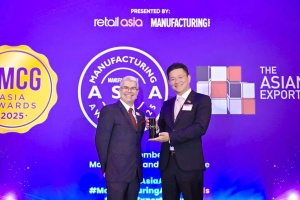
ATAD Steel Structure Corporation was named the winner of the Vietnam Excellence Award – Steel at the Manufacturing Asia Awards 2025 on November 18 at the Marina Bay Sands Expo and Convention Centre in Singapore.

The initiative aims to gather 10,000 emerging “Builders”–including business owners, founders, investors, and business students–to explore and support the development of the Vietnam International Financial Center (VIFC).

GOE Alliance (Global On-chain Economy), the campaign’s initiator, operates in infrastructure and ecosystem development for the digital economy and maintains a representative office at the VIFC. The campaign’s technology partners are Tether and MEXC Ventures.

Launch of the “Lights On” campaign to build the VIFC community
MEXC Ventures is the campaign’s technology partner

A highlight of the event was the organisers’ announcement of their goal to build a community of 10,000 “Builders”. Rather than claiming an existing network, they publicly committed to the target and activated a “Lighting-Up Clock” to track progress in real time. Business associations, universities, and media outlets were invited to join the initiative and monitor its progress.

The campaign is implemented in three main ways: a series of market education events, the VIFC Challenge, and VIFC Talent (the IFC Builder Program).

The programme plans to host 10 events tailored to small and medium-sized enterprises, individual investors, startups, and the “Builder” community, with approximately 50 visitors per event. The content will centre on practical topics such as the legal framework and operational mechanisms of VIFC, pathways to accessing international capital, and roadmaps for Vietnamese enterprises to expand into global markets. Details regarding the date, venue, and topic of the inaugural event will be announced during the campaign launch.

The VIFC Challenge is an initiative to address real-world issues facing Ho Chi Minh City and the VIFC. Co-organised by BNI Vietnam—a network of around 9,200 member businesses—and SVF, the programme aims to reach around 10,000 people across the business and startup communities. Beyond raising awareness of the VIFC, the challenge is designed to engage participants in developing solutions to the city and financial centre’s key development challenges.

Meanwhile, the IFC Builder Program aims to cultivate a future workforce for the IFC. Working with universities, the programme features training and prepared knowledge assessments regarding the VIFC, utilising a professional learning model designed for third- and fourth-year students majoring in Finance, Banking, and Economics. Its long-term objective is to train and connect approximately 10,000 students with knowledge of the VIFC before they enter the labour market.

Also as part of the event series, at the seminar “VIFC – A Gateway for Vietnamese Enterprises to Go Global,” Jenny Nguyen, head of strategy for MEXC Ventures in Vietnam, stated that MEXC currently operates in Vietnam through two main pillars: the investment fund MEXC Ventures and the digital asset trading platform MEXC.

MEXC Ventures focuses on investing in high-potential projects within the blockchain and digital asset sectors–fields attracting significant global interest and for which a legal framework is gradually taking shape in Vietnam.

Launch of the “Lights On” campaign to build the VIFC community
Jenny Nguyen, head of strategy for MEXC Ventures in Vietnam (second from the right)

According to Nguyen, MEXC goes beyond the role of a mere sponsor, but aims to play a deeper part in the development of Vietnam’s IFC, contributing to an ecosystem that connects businesses, investors, and high-quality talent.

“We share the vision of the ‘Sang Den‘ campaign to establish Vietnam’s IFC as a gateway for Vietnamese enterprises to expand into the global market. With operations spanning over 170 countries and territories, we look forward to partnering with and supporting Vietnamese businesses in accessing new resources and opportunities in the international arena,” she said.

A representative from MEXC Ventures emphasised that capital goes hand in hand with expertise. Consequently, capital flows gravitate towards entities that are well-prepared in terms of knowledge, capabilities, and vision. If a business does not truly understand the operational mechanisms, opportunities, and requirements associated with an IFC, accessing capital will face significant hurdles, regardless of the magnitude of the capital involved.

“Therefore, education and knowledge dissemination serve as a vital foundation. We believe that the ‘Sang Den’ campaign will help raise awareness, foster connections, and prepare the necessary resources for the Vietnamese business community to be ready to seize new opportunities,” added Nguyen.

UOB CEO mulls new headquarters in Ho Chi Minh City and joining VIFC UOB CEO mulls new headquarters in Ho Chi Minh City and joining VIFC

UOB vice chairman and CEO Wee Ee Cheong met with Party General Secretary and State President To Lam during his state visit to Singapore to discuss the bank’s long-term commitment to Vietnam’s growth.

VIFC-HCMC, Touchstone Partners, Temasek Foundation to collaborate on green economy VIFC-HCMC, Touchstone Partners, Temasek Foundation to collaborate on green economy

On May 29, the Vietnam International Financial Center in Ho Chi Minh City, Touchstone Partners and Temasek Foundation signed a trilateral strategic collaboration agreement to mobilize financial resources to advance technology development, contributing to Vietnam’s green transition.

VIFC set to raise the bar for Ho Chi Minh City's office market VIFC set to raise the bar for Ho Chi Minh City’s office market

Vietnam’s International Financial Center is expected to add substantial office space to Ho Chi Minh City’s market while raising competitive standards across the sector.

The global rice market experienced significant volatility in 2025 after India completely lifted its export restrictions, leading to a rapid increase in supply and putting downward pressure on global rice prices.

Meanwhile, Thailand recorded a sharp decline in rice exports, while Vietnam faced a double challenge from India’s price competition and tighter import policies in several overseas markets.

Entering 2026, the rice industry continues to operate in an intensely competitive environment.

Rice stocks struggle to gain traction despite strong export growth
Vietnam maintained strong rice export volumes in the first half of 2026, but export earnings declined amid intensifying global competition

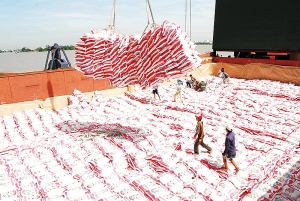
According to the Ministry of Agriculture and Environment, Vietnam exported approximately 5.2 million tonnes of rice in the first six months of the year, generating $2.38 billion in export revenue, up 9.9 per cent in volume but down 2.5 per cent in value from a year earlier.

The figures highlight a familiar reality for the rice industry: companies may increase sales volumes, but profitability does not necessarily improve in tandem because of lower selling prices, higher logistics and financing costs, and intense international competition.

Nevertheless, many companies are pursuing new strategies to increase value-added products.

For instance, Vietnam National Seed Group (NSC), whose two main businesses are seed production and rice exports, is expanding into markets including China and the United States while developing high-quality raw material areas to support exports to Japan.

According to the company’s management, its strategy has shifted away from simply increasing output toward developing premium rice varieties, applying advanced technology and building brand recognition to enhance product value.

For 2026, Vinaseed targets revenue of $114 million, up 24 per cent from the previous year, and pre-tax profit of $12.6 million, representing growth of 14 per cent, while still factoring in weather-related risks that could affect crop yields.

Similarly, Trung An High-Tech Farming JSC (TAR) continues to pursue a strategy focused on premium-quality and low-emission rice.

The company is participating in the development of around 20,000 hectares of raw material areas in the Long Xuyen Quadrangle, while restructuring its finances by working with banks to refinance outstanding loans and divesting stakes in several subsidiaries to reduce interest expenses.

Even so, Trung An’s earnings target remains modest. In 2026, the company aims to generate consolidated revenue of $140 million and after-tax profit of just $480,000, reflecting the structurally thin profit margins typical of the industry.

Despite stronger export performance, rice stocks have remained largely subdued on the stock market.

Currently, only ticker NSC continues to trade above par value, while TAR, LTG, AGM and FCS are all trading below par.

Ticker LTG of Loc Troi Group JSC has been placed under warning status and is subject to trading restrictions after the company failed to publish its audited financial statements for 2024 and 2025.

Valuations also remain depressed. TAR is trading at a price-to-book (P/B) ratio of around 0.21 times, while LTG has a P/B ratio of 0.24 times and a price-to-earnings (P/E) ratio of approximately 2.87 times. NSC is trading at a P/B ratio of 0.82 times and a P/E ratio of 5.66 times.

However, low valuations alone have not been sufficient to attract investors, who remain concerned about earnings prospects and the financial health of the companies.

Beyond the prolonged losses at An Giang Import-Export JSC (ticker AGM), Loc Troi Group has become a prime example of the challenges facing the industry. Once one of Vietnam’s leading rice exporters, the company has endured two years of financial, debt and corporate governance difficulties.

At its extraordinary general meeting of shareholders on May 11, the management said the company was implementing a restructuring programme, working with two lenders TPBank and MB to restructure outstanding loans, while securing a credit facility of around $60 million to supplement working capital.

Loc Troi aims to complete its audited financial statements in the third quarter of 2026 after appointing a new external auditor.

Meanwhile, Trung An is also addressing outstanding legal issues while restructuring its operations and capital structure.

The company believes its recovery prospects will improve in 2026, supported by its premium rice export business.

However, the management acknowledged that the restructuring process will require more time before its benefits are reflected in financial results.

Even companies with relatively stable operations continue to demonstrate the industry’s structurally thin margins.

Ho Chi Minh City Food JSC generated revenue of more than $13.1 million in 2025, but reported after-tax profit of only about $9,200.

For 2026, the company targets revenue of nearly $15.6 million, while its after-tax profit target is only $8,200. exchange rate fluctuations, interest rates, funding costs and credit policies are expected to remain key factors affecting business performance.

According to analysts, rice stocks are highly cyclical, with performance heavily influenced by global agricultural commodity prices, export policies, weather conditions and climate change. At the same time, the industry’s thin profit margins make it difficult for companies to deliver substantial earnings growth even when export volumes are strong.

Over the longer term, the sector’s growth prospects lie in the development of premium-quality rice, low-emission rice and stronger brand positioning in high-value export markets.

However, for rice stocks to become more attractive, investors will need to see meaningful improvements in profitability, cash flow and corporate governance, rather than relying solely on export volume growth.

Rice stocks not a cause for concern Rice stocks not a cause for concern

Despite growing complexities of disease and salt intrusion, Vietnam has enough rice for both exports and domestic consumption.

10 companies honoured for efforts to expand sustainable rice farming 10 companies honoured for efforts to expand sustainable rice farming

The Netherlands Development Organisation SNV in Vietnam, on May 19, organised the Award Ceremony for the Summer–Autumn Season of 2025 to recognise 10 companies demonstrating outstanding performance in partnering with smallholder farmers on sustainable rice farming practices.

Vietnam rice exports to recover on high-quality demand Vietnam rice exports to recover on high-quality demand

Following a decline at the beginning of the year, Vietnam’s rice exports are expected to recover thanks to increased import demand and a consumer trend favouring high-quality rice.

Rize raises $31 million to accelerate sustainable rice farming in Vietnam and Southeast Asia Rize raises $31 million to accelerate sustainable rice farming in Vietnam and Southeast Asia

On July 16, Rize, Southeast Asia’s leading sustainable rice platform, announced the close of a $31 million Series B funding round, comprising $20 million in equity and $11 million in debt financing.

Private and foreign-invested enterprises remain Vietnam's largest job creators

Vietnam has nearly 6.3 million active employers, hiring more than 30.3 million workers, according to the preliminary results of the 2026 Economic Census released by the Central Steering Committee on July 13 in Hanoi.

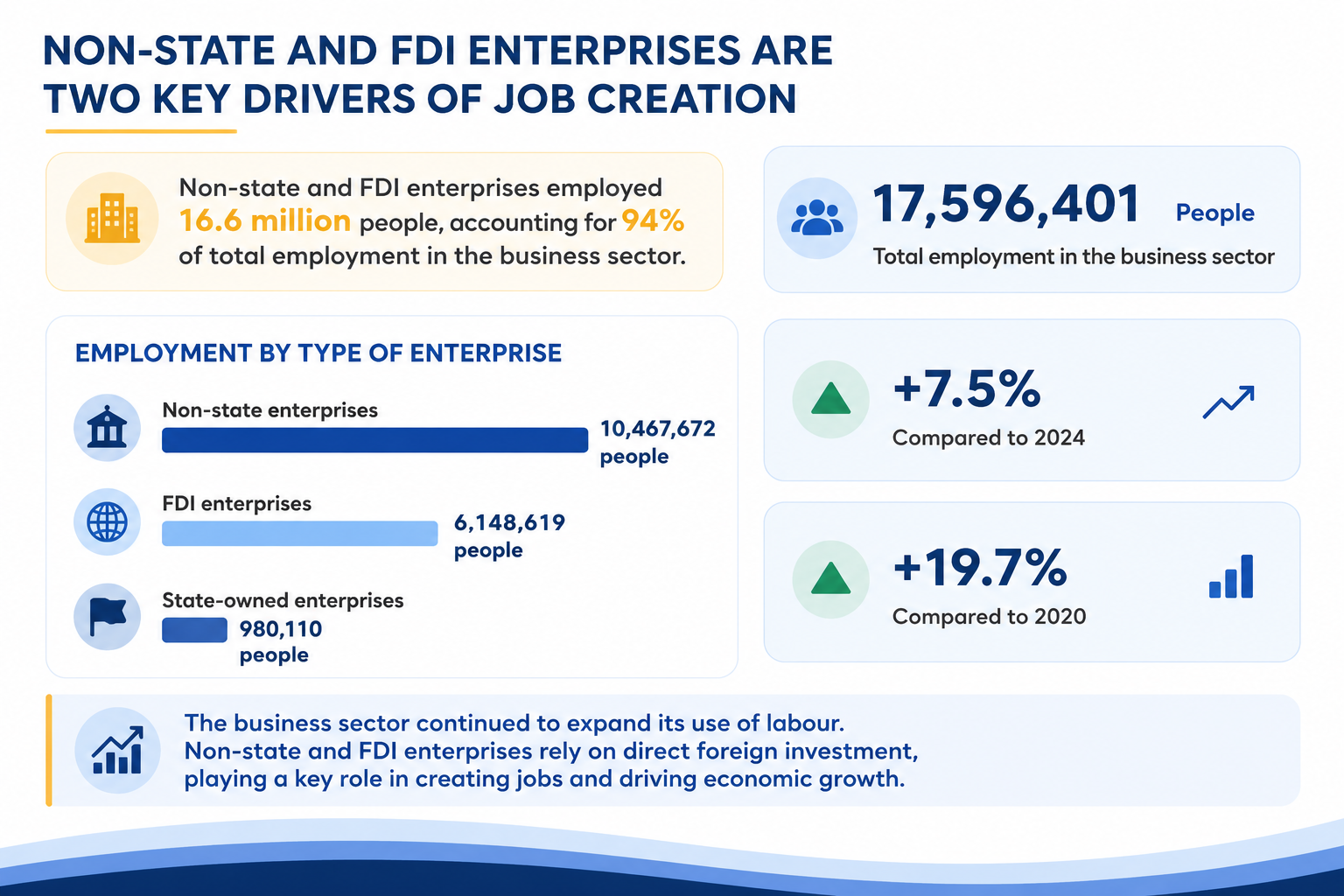
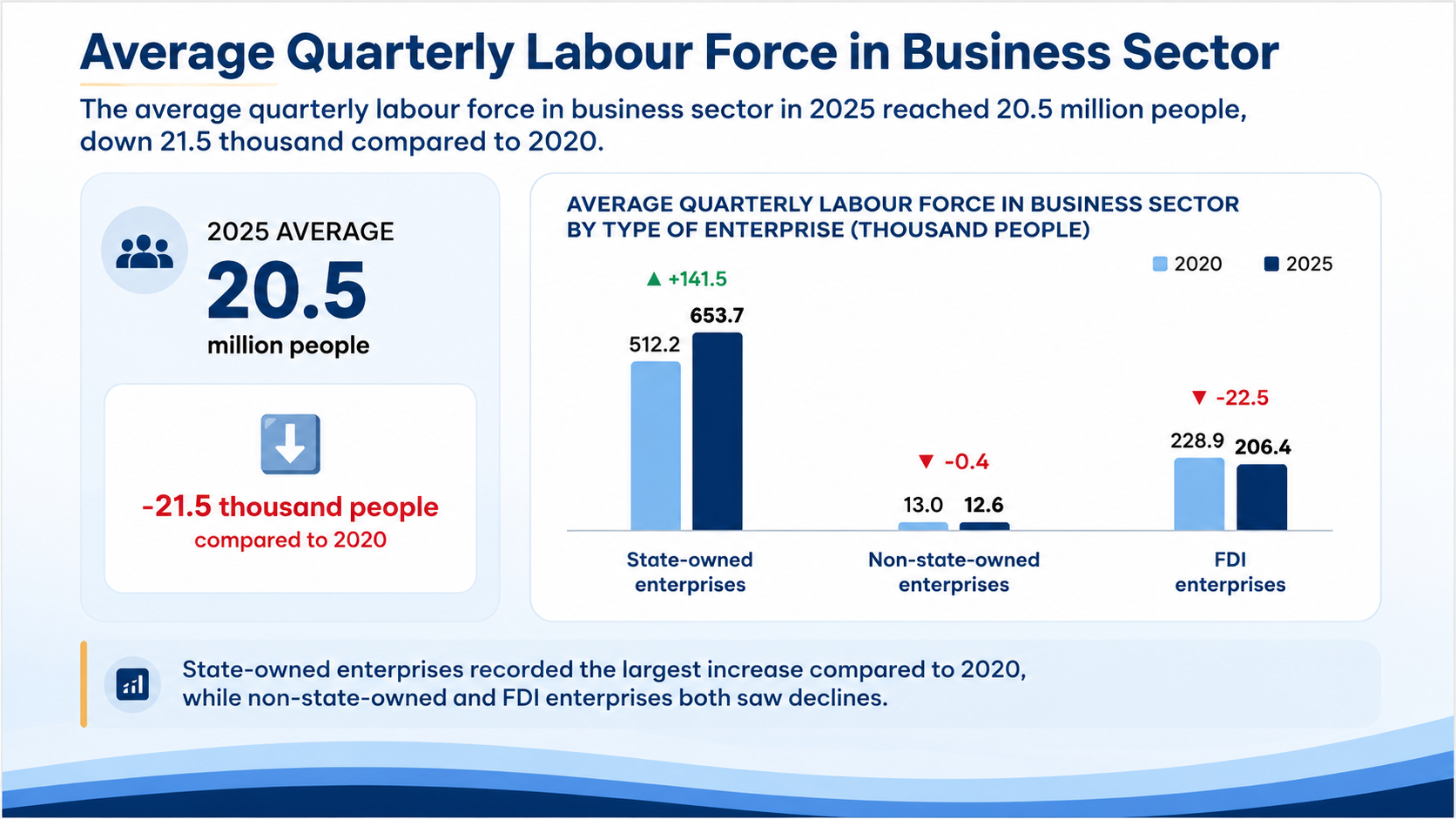
Nguyen Thanh Duong, deputy director general of the National Statistics Office and standing deputy head of the 2026 Economic Census Task Force, said the country currently had about 859,000 enterprises, accounting for 13.7 per cent of all economic establishments, employing 17.6 million people, or 57.9 per cent of the national workforce covered by the census.

The cooperative sector remains relatively small, with 17,145 cooperatives employing about 156,800 workers. Meanwhile, there are 5.25 million household business establishments and about 7,900 cooperative groups. The census provides an important evidence base for economic management, policymaking and macroeconomic planning.

The preliminary results indicate a clear structural shift from household businesses towards the enterprise sector. Enterprises continue to expand in both number and employment, while the household business sector has experienced slower growth. For the first time, employment in household businesses has declined, reflecting a gradual reallocation of labour across different sectors of the economy.

The services sector remains the largest contributor in terms of both establishments and employment, accounting for 84 per cent of all surveyed entities and 59.4 per cent of total employment. Industry and construction continue to provide a significant share of jobs, while agriculture, forestry and fisheries represent only a small proportion.

Private enterprises continue to dominate the business landscape, with 827,492 operating companies, far outnumbering the 29,786 foreign-invested enterprises (FIEs) and 1,770 state-owned enterprises (SOEs).

Private and foreign-invested enterprises remain Vietnam's largest job creators

Private businesses and FIEs also remain the country’s largest employers, together providing jobs for more than 16.6 million workers, equivalent to around 94 per cent of total employment in the enterprise sector.

Duong said that the enterprise sector maintained strong revenue growth in 2025. Total net revenue reached $1.75 trillion, an increase of 13.1 per cent compared with 2024 and 65.6 per cent higher than in 2020.

Private enterprises generated $1 trillion in net revenue, up 12 per cent on-year and 63.9 per cent higher than in 2020.

FIEs recorded $568 billion, rising 17.8 per cent from 2024 and 78.1 per cent from 2020, making them the fastest-growing segment in terms of revenue. SOEs generated $192 billion, up 6.3 per cent from 2024 and 43.9 per cent higher than in 2020.

“Private enterprises generated the largest amount of revenue, while FIEs recorded the strongest revenue growth compared with both 2024 and 2020,” Duong said.

The 2026 Economic Census is Vietnam’s seventh nationwide economic census and is regarded as particularly significant as the country accelerates digital transformation. The survey will help local authorities establish comprehensive databases covering all production and business establishments under the country’s new administrative boundaries.

For the first time, the census also includes cooperative groups and household businesses operating on digital platforms, providing a more comprehensive picture of Vietnam’s expanding digital economy.

Finance ministry to remove bottlenecks for private businesses Finance ministry to remove bottlenecks for private businesses

The Ministry of Finance is rushing to review and evaluate the implementation of legal documents to eliminate unnecessary business conditions, overlapping regulations, and inappropriate provisions that hinder the development of private enterprises.

VCCI launches PCI 2.0 and first Business Performance Index VCCI launches PCI 2.0 and first Business Performance Index

The Vietnam Chamber of Commerce and Industry has launched the Provincial Competitiveness Index 2025, along with the first-ever Business Performance Index.

Family businesses face succession hurdles Family businesses face succession hurdles

Vietnamese family-owned enterprises are entering a defining moment as their founders prepare to hand over the reins to the next-generation amid ambitious expansion plans and an evolving macroeconomic landscape.

On July 10, VinFast announced that it had delivered 17,955 electric vehicles (EVs) to customers in Vietnam in June, bringing its total sales in the first six months of 2026 to 115,916 units, up 72 per cent compared to the same period in 2025. It also marked the first time a carmaker in Vietnam has surpassed the milestone of 100,000 vehicles sold within the first half of a calendar year.

The announcement came as Vietnam Automobile Manufacturers’ Association (VAMA) released its June sales report, highlighting notable shifts in the domestic automotive market.

According to VAMA, its member companies sold 31,104 vehicles in June, up 4 per cent from the previous month but down 2.7 per cent on-year. In the first six months of the year, total sales reached 149,761 units, representing a 15 per cent increase compared to the same period of 2025, reflecting the continued recovery of Vietnam’s automotive market.

Against this backdrop, VinFast’s growth significantly outpaced the broader market. The company’s first-half sales alone were equivalent to approximately 77 per cent of the combined sales volume of all VAMA members during the same period, underscoring the rapidly expanding scale of Vietnam’s domestic EV manufacturer in the local market.

The momentum is also becoming increasingly evident in the passenger car segment, traditionally the most competitive area of the market. VAMA members recorded passenger vehicle sales of 100,321 units in the first six months, driven primarily by multipurpose vehicles and sport utility vehicles.

Meanwhile, VinFast’s growth has been supported by a broad product portfolio spanning multiple market segments. The VF3 led the lineup with 3,550 deliveries in June and cumulative sales of 23,781 units in the first half. The VF5 followed with 3,364 units delivered in June and 20,167 units sold during the first six months. The VF 6 and VF 7 also posted cumulative sales of 14,045 units and 6,849 units, respectively, further expanding the presence of EVs across mainstream market segments.

Vietnam's auto market hits turning point as electric vehicles reshape sector

Against this backdrop, competition in Vietnam’s automotive market is expected to intensify further in the second half of the year. VinFast is preparing to launch the VF2 at the beginning of the third quarter with a starting price of approximately $7,200, while accepting early reservations from July 15-17 and continuing to offer direct price incentives. These moves are expected to increase competitive pressure on conventional internal combustion engine vehicles.

Nevertheless, the market’s transition towards electrification continues to face concerns among consumers, particularly regarding charging infrastructure, battery technology, inspection standards, as well as testing procedures and vehicle safety assurance.

Kazuhiro Takezawa, general director of Hioki Electric Vietnam said that since EVs and charging infrastructure began expanding rapidly, regulations and requirements related to battery safety and charging systems have received increasing attention in many countries, not only in Vietnam. This has become an important topic of close discussion between governments and businesses as part of the broader effort towards sustainable transportation and carbon neutrality.

Takezawa asserted that the Vietnamese market is moving fast, with the national charging network has expanded to more than 150,000 ports for cars and motorbikes across all 34 provinces. At the same time, draft national technical regulations, expected to come into effect this year, aim to enforce safety and interoperability in line with international standards.

“Although standards and regulations are still being further developed, inspection and maintenance activities for EVs and EV batteries have already been widely implemented in many advanced markets. Hioki’s EV maintenance and lithium-ion battery testing solutions are also being adopted across several leading EV and battery markets worldwide,” Takezawa said.

“Our solutions, including battery testers, power analysers, and insulation resistance testers, enable manufacturers, service centres, and fleet operators to assess battery health non-destructively, detect degradation early, and verify the power efficiency of charging systems before issues escalate into failures. Ultimately, the value of testing equipment lies in its ability to identify problems before they become incidents.”

According to Takezawa, as EVs become increasingly common and gradually evolve into a primary mode of transportation in major cities such as Hanoi and Ho Chi Minh City, demand for safety inspection, battery condition assessment, and system maintenance will continue to grow significantly.

“A battery failure event, whether during charging, discharge, or storage, carries safety risks but also serious reputational consequences for manufacturers, operators, and the broader EV ecosystem. As the regulatory environment becomes stricter, the need for certified, accurate testing equipment becomes even more critical. We see the tightening of standards in Vietnam not as a compliance burden, but as a positive development, one that raises the bar for the entire market and rewards those who invest in proper measurement and verification,” he said. “This will be a key factor in strengthening market confidence and accelerating the adoption of clean energy vehicles in the years ahead.”

Hioki Electric Vietnam believes Vietnam has strong potential to become one of the region’s key manufacturing hubs for batteries and electrification equipment, particularly as its industrial infrastructure, supply chain ecosystem, and technical capabilities continue to evolve in the coming years.

“Vietnam also holds reserves of manganese, rare earths, and aluminium, key inputs in battery cell production, which could, over time, support a more integrated domestic supply chain rather than one that relies predominantly on imported materials,” said Takezawa. “Vietnam’s trajectory as an electrification hub directly expands the relevance and demand for our battery testing and measurement solutions. Whether it is a cell manufacturer validating production quality, a charging infrastructure operator verifying safety compliance, or a renewable energy project integrating battery storage, each of these growth scenarios creates a clear and measurable need for what we do. We are not observing this trend from the outside, we are actively positioning our technical capabilities in Vietnam to grow alongside it.”

VinFast posts $920 million revenue in Q1 VinFast posts $920 million revenue in Q1

In the first quarter of 2026, VinFast recorded revenues of $920.7 million, an increase of 41.7 per cent from the same period last year.

Green SM enters Central Asia with all-electric ride-hailing launch in Kazakhstan Green SM enters Central Asia with all-electric ride-hailing launch in Kazakhstan

Green SM has officially launched its all-electric ride-hailing service in Kazakhstan, marking the company’s first operational presence in the Central Asian market.

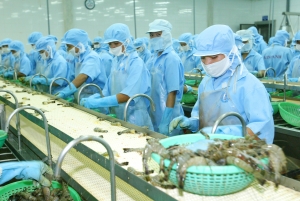
According to the Ministry of Agriculture and Environment (MAE), China continued to increase imports of Vietnamese seafood, particularly shrimp, in the first half of 2026, the ministry reported on July 13.

Vietnam exported more than $5.7 billion worth of seafood in the first half of 2026, up 11.4 per cent from a year earlier. China accounted for nearly $1.4 billion of the total, making it Vietnam’s largest seafood export market, while shipments to the US reached almost $898 million.

Including Hong Kong, exports to the Greater China market totalled around $1.5 billion, an increase of nearly 38 per cent from a year earlier. Japan ranked third with almost $788 million, posting a slight increase over the same period.

According to the Import-Export Department under the MAE, despite the double-digit growth, seafood exporters continue to face multiple challenges, including tighter technical requirements in key export markets, rising production costs, and climate-related risks.

Higher feed, energy, logistics, and freight costs continue to weigh on businesses, while climate change and saltwater intrusion in the Mekong Delta are affecting aquaculture production, highlighting the need for more resilient and fully traceable raw material supply chains.

Photo: VASEP
Photo: VASEP

Le Hang, deputy secretary general of the Vietnam Association of Seafood Exporters and Producers (VASEP), said many exporters have shifted their focus towards China as the US and Europe tighten trade barriers.

“Besides having less stringent import requirements, China enjoys a significant geographical advantage, helping reduce logistics costs and delivery times. For live seafood products, exporters can ship goods through border crossings, making preservation easier and more cost-efficient,” she said.

Meanwhile, exports to the US continue to face mounting challenges. According to VASEP, stricter enforcement of the Marine Mammal Protection Act (MMPA) has required exporters of wild-caught seafood to provide additional Certificates of Admissibility (COA), with particularly complicated procedures affecting tuna shipments. Vietnamese shrimp also continues to face high anti-dumping duties.

In addition, a surge in shipments to the US ahead of the implementation of new tariff policies has resulted in rising inventories, while American consumers have become more cautious with spending and increasingly favour lower-priced products. These factors have left seafood exports to the US largely flat during the first half of the year.

VASEP noted that the industry’s export growth in the first six months reflected improving global demand and the ability of Vietnamese exporters to adapt by diversifying markets and adjusting product portfolios. At the same time, overseas buyers have become increasingly cautious, placing smaller and shorter-term orders while demanding more competitive prices and stricter compliance with quality, certification, and traceability standards.

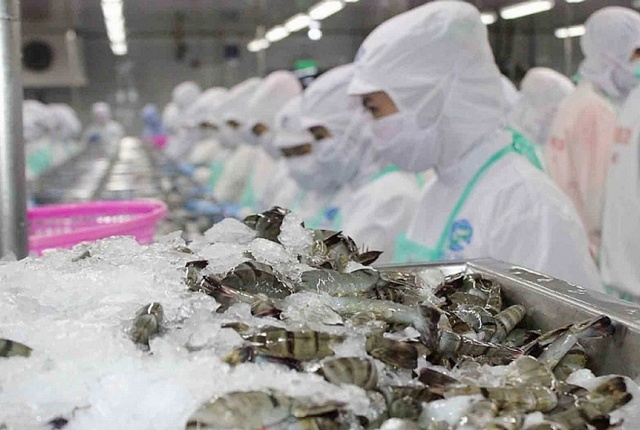
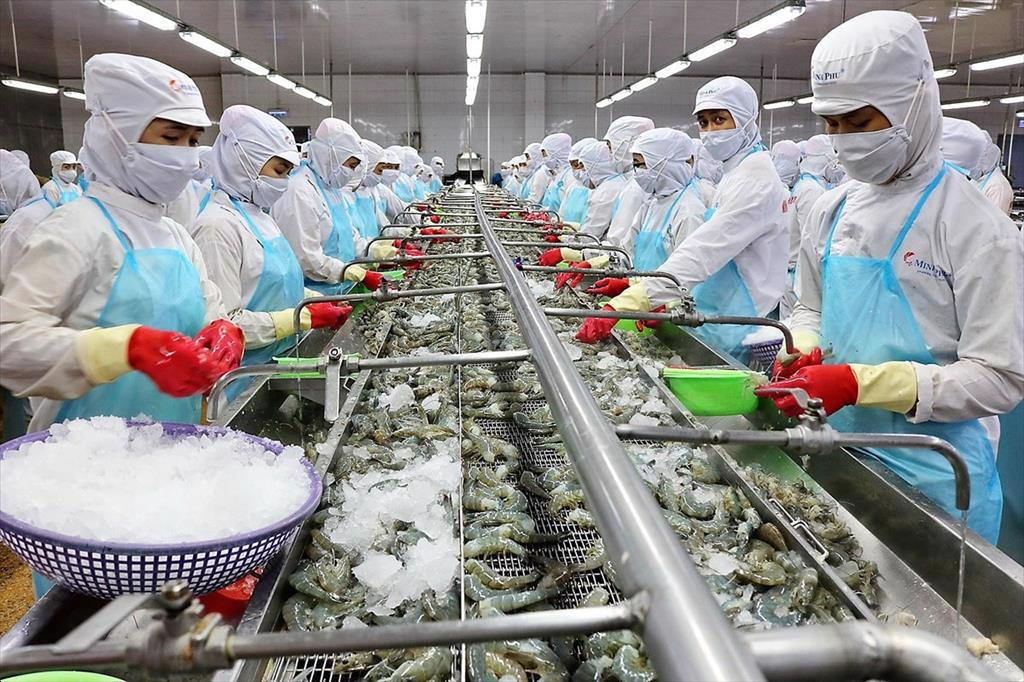
Shrimp remained Vietnam’s largest seafood export, generating approximately $2.3 billion in export revenue during the first half of the year, up 13.6 per cent and accounting for more than 40 per cent of total seafood exports. Growth was driven mainly by demand from mainland China and Hong Kong.

Lobster was among the products seeing the strongest increase in purchases from both markets. Basa fish exports reached around $1.1 billion, up 12.1 per cent, continuing to benefit from competitive pricing and stable global demand for whitefish.

However, the outlook for the second half of the year remains uncertain. Hang said seafood exporters continue to face the risk of additional US trade protection measures and non-tariff barriers, ranging from regulations related to forced labour to the possible introduction of import quotas on certain products. At the same time, refrigerated container freight rates have begun rising again, posing another major challenge for the industry in the coming months.

“In the face of rapidly changing trade policies, businesses have little choice but to continuously monitor market developments, adjust their export strategies, diversify export markets, and increase the share of value-added processed products to mitigate risks and sustain growth,” Hang added.

Seafood exports rise in January Seafood exports rise in January
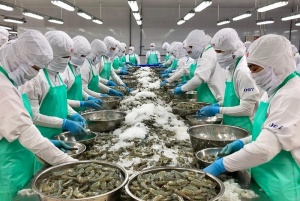
Middle East tensions drive cost pressures for seafood exporters Middle East tensions drive cost pressures for seafood exporters
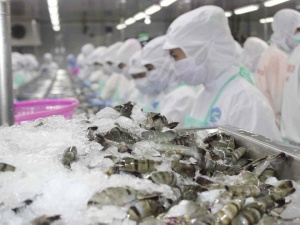
Vietnam and US set to ease seafood trade regulation Vietnam and US set to ease seafood trade regulation
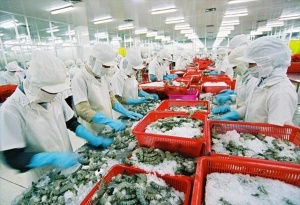
Seafood trade loses pace in March amid market divergence Seafood trade loses pace in March amid market divergence
Seafood exporters deliver strong Q1 though challenges persist Seafood exporters deliver strong Q1 though challenges persist
Vietnam's seafood exports approach $5.8 billion in first half of 2026 Vietnam’s seafood exports approach $5.8 billion in first half of 2026