Carlsberg Vietnam earns fourth consecutive HR Asia recognition and VCCI Top 10 Green Enterprise honour
HR Asia’s Best Companies to Work for in Asia 2026

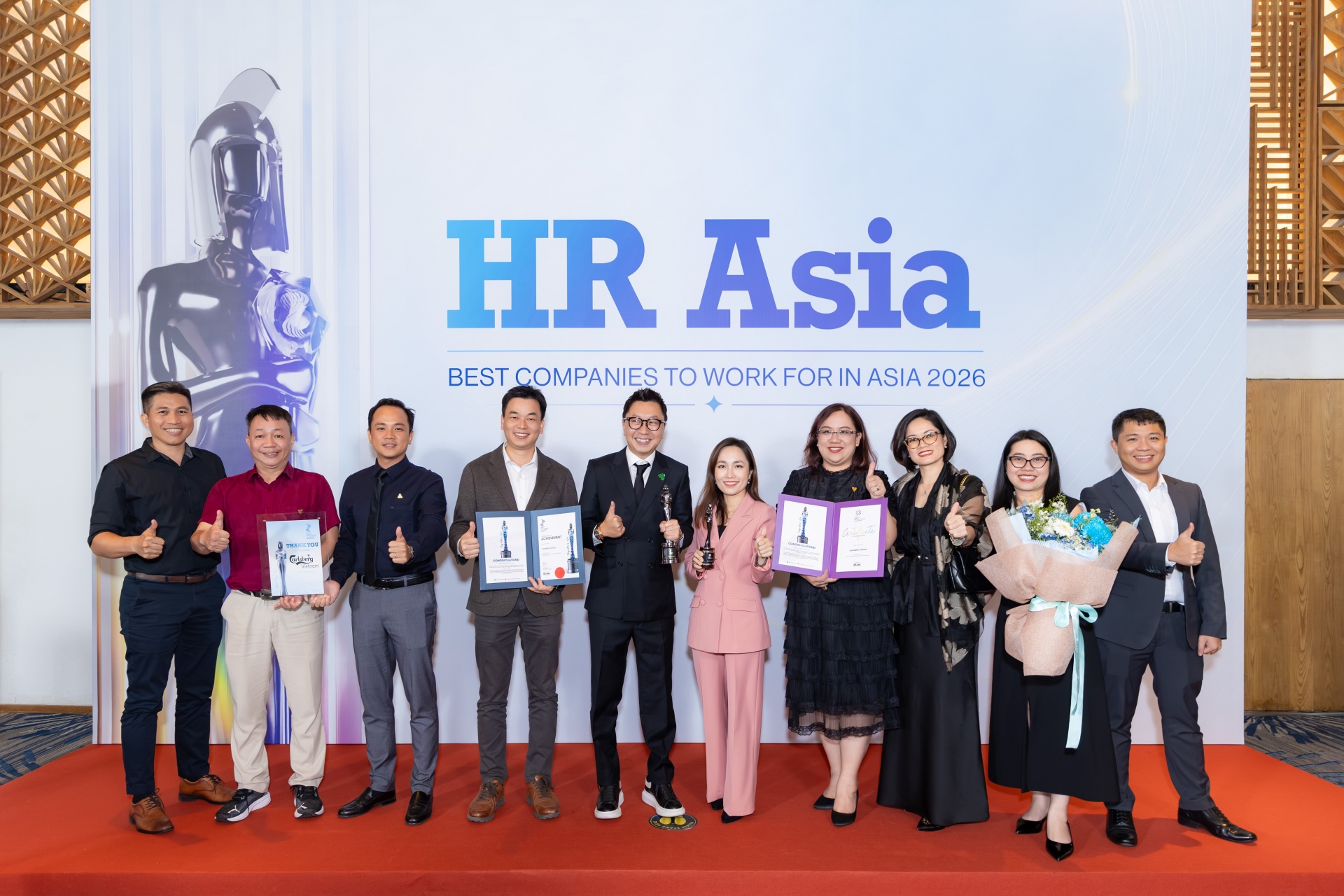
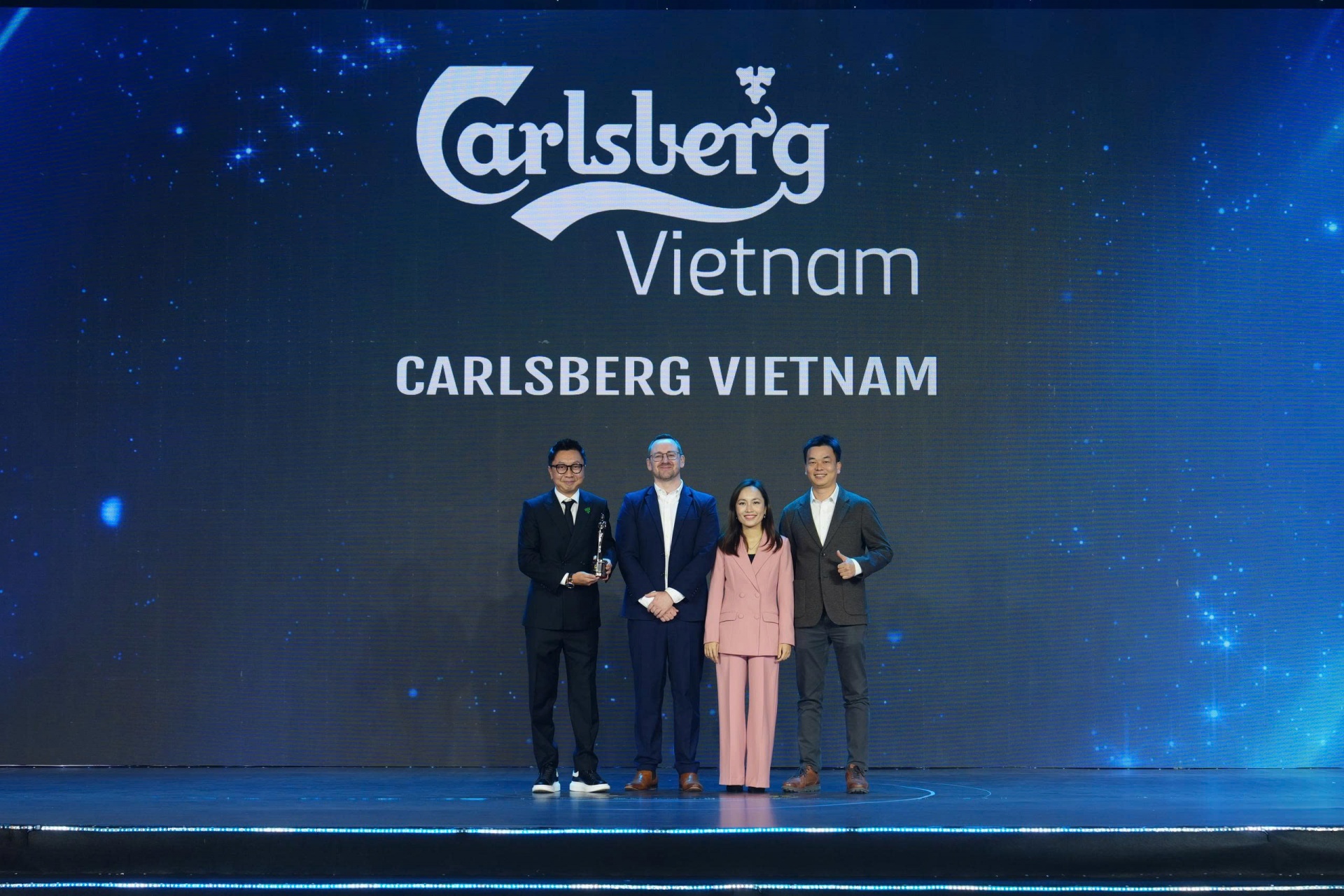
On July 9, the company was named one of HR Asia’s Best Companies to Work for in Asia 2026 for the fourth consecutive year (2023–2026), while also receiving the HR Asia Diversity, Equity & Inclusion Awards 2026.

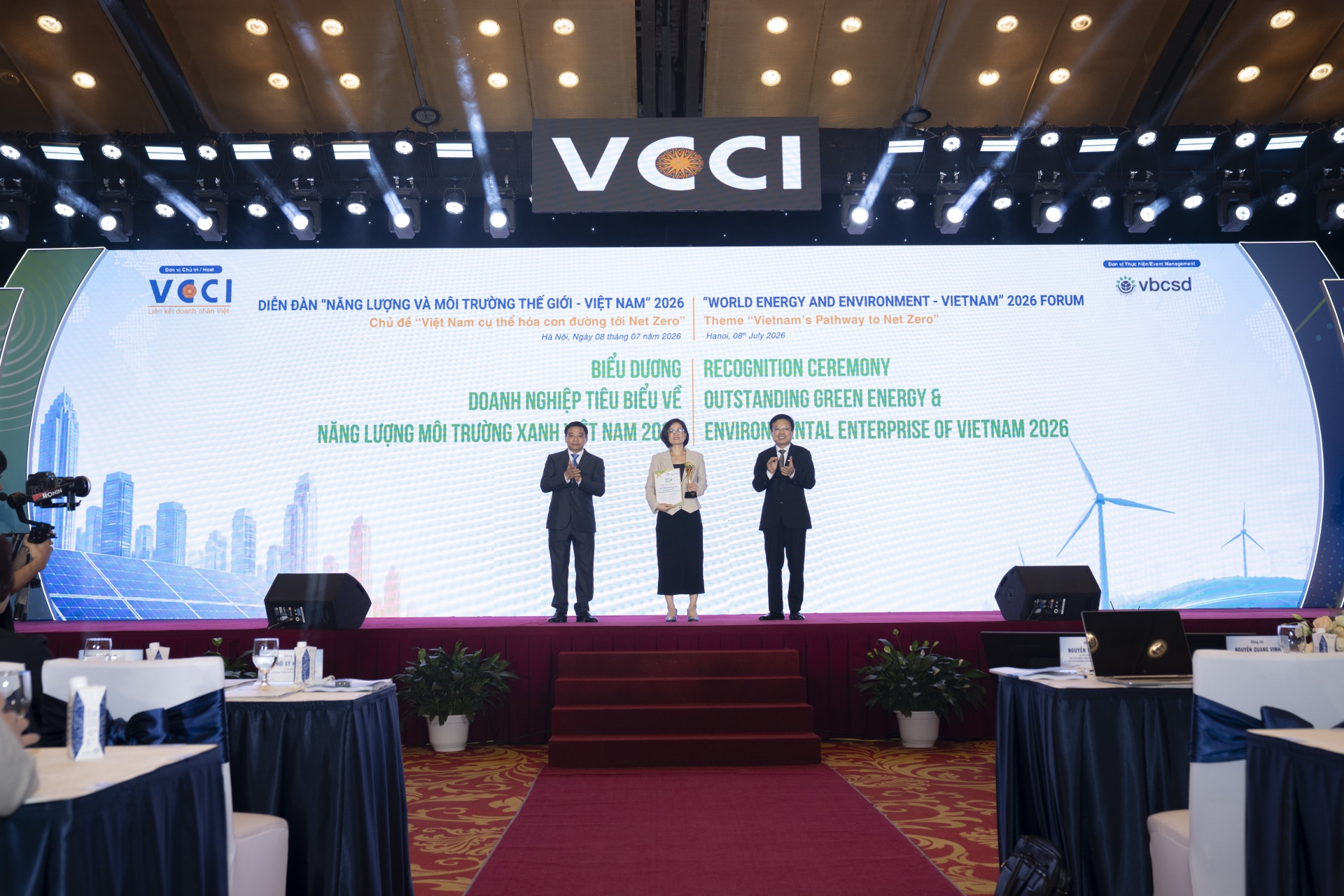
On July 8, Carlsberg Vietnam was recognised among Vietnam’s Top 10 Outstanding Green Energy and Environmental Enterprises 2026 by the Vietnam Chamber of Commerce and Industry (VCCI), recognising its continued progress in responsible business development.
Carlsberg Vietnam earns fourth consecutive HR Asia recognition and VCCI Top 10 Green Enterprise honour
Top 10 Outstanding Green Energy and Environmental Enterprises by VCCI

Commenting on the dual recognitions, Andrew Khan, managing director of Carlsberg Vietnam, said, “Receiving these two recognitions in the same period of time is a proud moment for Carlsberg Vietnam because together they reflect what matters most to us. One recognises the culture we’ve built for our people, while the other acknowledges our long-term commitment to sustainable growth. Although they celebrate different achievements, they are driven by the same belief: lasting business success comes from investing in people, caring for the environment and creating value responsibly. That’s the future we’re committed to building every day.”

A fourth consecutive HR Asia recognition, with special recognition for Diversity, Equity & Inclusion

Four consecutive HR Asia recognitions are more than a milestone for Carlsberg Vietnam, especially with this year’s additional recognition of the HR Asia Diversity, Equity & Inclusion Awards 2026. They reflect years of building a workplace where inclusion is part of how people work, grow and lead, not simply an initiative, but a culture that shapes everyday decisions.
Carlsberg Vietnam earns fourth consecutive HR Asia recognition and VCCI Top 10 Green Enterprise honour
HR Asia Awards 2026

This year’s recognition comes at an important time as Carlsberg Group introduced its new Global Diversity, Equity & Inclusion (DE&I) Policy, reaffirming that DE&I is a core part of the Group’s purpose, Growth Culture and long-term business strategy. Guided by the principles “Diversity Is Us. Equity Strengthens Us. Inclusion Empowers Us.,” the policy reflects the belief that diverse perspectives lead to stronger collaboration, better decisions and better business.

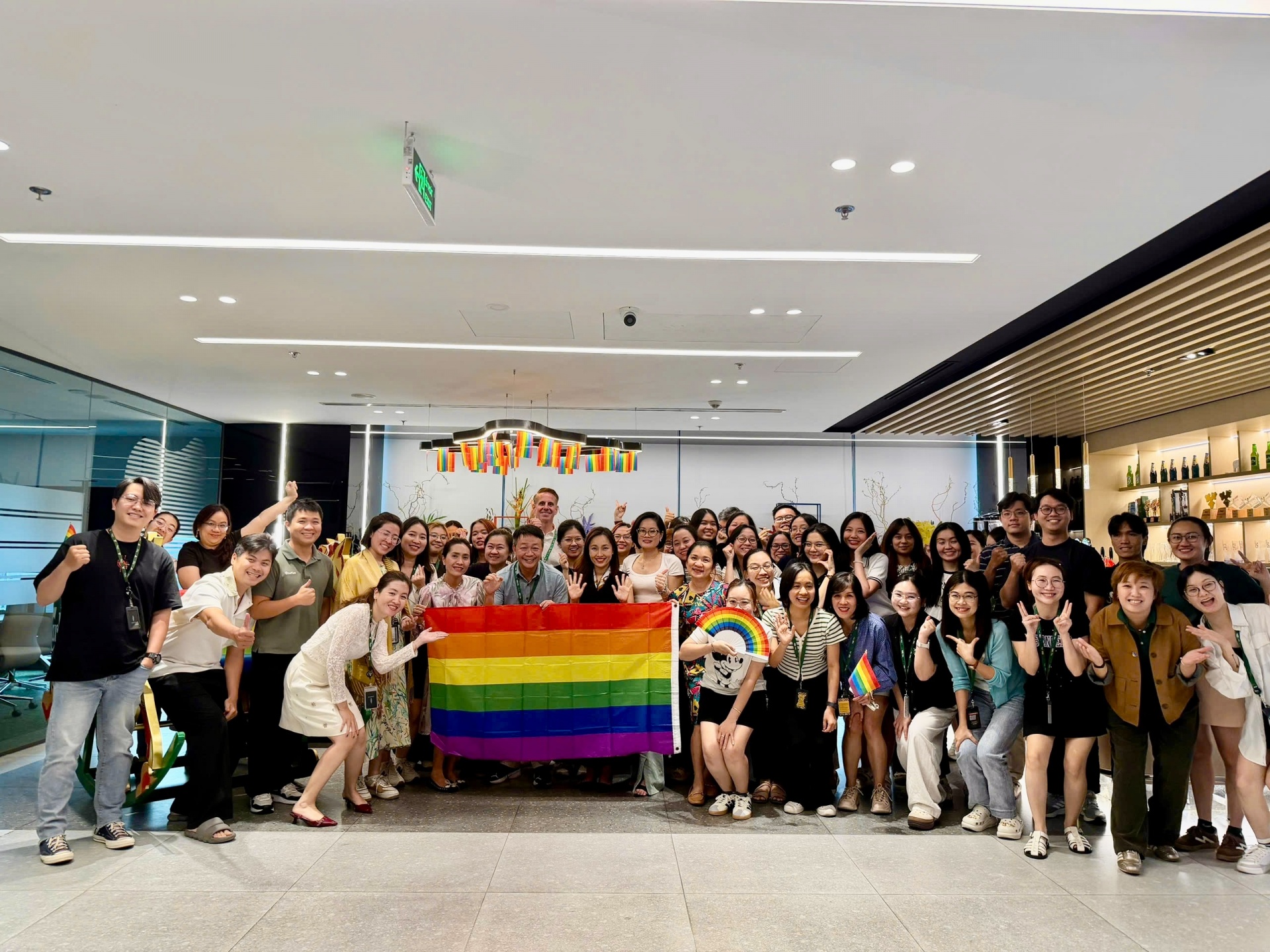
At Carlsberg Vietnam, these principles shape how people are recruited, developed, supported and given opportunities to grow. Over the past year, the company has continued strengthening its inclusive culture through initiatives such as Pride Month’s ‘Come As You Are’, its annual DE&I campaign celebrating individuality and belonging, and SHELeads, a women leadership community designed to build confidence, capability and connection among future female leaders.

Reinforcing this commitment, Carlsberg Vietnam also became a signatory to the Women’s Empowerment Principles, established by UN Women and the UN Global Compact, while continuing to advance Carlsberg Group’s ambition of achieving 42 per cent women in senior leadership by 2032.
Carlsberg Vietnam earns fourth consecutive HR Asia recognition and VCCI Top 10 Green Enterprise honour

The impact of these efforts is also reflected in employee experience. In the latest group employee engagement survey, Carlsberg Vietnam achieved an Inclusion Index score of 86 and has consistently performed at the Top 10 per cent global benchmark for Inclusion Index, as measured by Glint, for three consecutive years. The result demonstrates the company’s strong progress towards Carlsberg Group’s ambition of being among the top 10 per cent benchmark for employee inclusion experience by 2032.

“Receiving these recognitions is especially meaningful because they reflect the culture we continue to build every day,” said Dang Tran Ngoc Ngan, senior director of People & Culture at Carlsberg Vietnam.

“We believe our greatest strength comes from our people. A diverse workforce helps us better understand the consumers and communities we serve. Different backgrounds, experiences and perspectives help us challenge our thinking and make better decisions. When people with different backgrounds and perspectives feel respected, included, and empowered to contribute, they bring broader thinking, stronger ideas, and better decisions. Those differences make us stronger as teams and ultimately help us build a more sustainable business. This belief continues to shape how we develop our people, our leaders and our future.”

Recognised among Vietnam’s Top 10 Green Energy and Environmental Enterprises

Carlsberg Vietnam has also been recognised among Vietnam’s Top 10 Outstanding Green Energy and Environmental Enterprises 2026, presented at the World Energy and Environment Forum – Vietnam 2026 organised by VCCI. The award recognises the company’s long-term commitment to sustainable operations and responsible business growth.

Guided by Brewing Tomorrow, Carlsberg Group’s ESG programme, Carlsberg Vietnam continues investing in technologies and initiatives that reduce environmental impact while creating long-term value. At Phu Bai Brewery, the largest Carlsberg brewery in Asia, next-generation brewing technology helps reduce water consumption by around 20 per cent and energy consumption by 15 per cent compared with previous technology.

The brewery also captures and reuses all CO2 generated during fermentation, has achieved zero waste to landfill, and continues advancing renewable energy through its upcoming rooftop solar project as part of the group’s ambition to achieve net-zero across the value chain by 2040.

Beyond its operations, Carlsberg Vietnam continues creating positive impact through initiatives such as Fresh Water for Beloved Central, responsible drinking partnerships and community environmental programmes that encourage sustainable choices.

The VCCI recognition is the latest milestone in Carlsberg Vietnam’s sustainability journey. It builds on a growing track record of external recognitions, including being named among Vietnam’s Top 100 Sustainable Businesses 2025 by VBCSD–VCCI, receiving the 2025 EuroCham Community Impact Award, and earning recognition from the Ministry of Industry and Trade at the 35th Anniversary Celebration of the Vietnam Beer – Alcohol – Beverage Association for the company’s contributions to sustainable industrial development.

These recognitions show Carlsberg Vietnam’s long-term commitment to creating lasting value through its people and responsible business practices. Guided by its Growth Culture and Brewing Tomorrow, the company continues to grow responsibly by brewing great beer and creating a workplace where everyone belongs and a business that contributes to a better today and tomorrow.
Carlsberg Vietnam awarded both domestic and international honours Carlsberg Vietnam awarded both domestic and international honours

Carlsberg Vietnam has received recognition from both local authorities and international quality institutions, underscoring its continuation of a development journey built steadily over more than three decades in Vietnam.

How Carlsberg Vietnam is building high-performing teams through trust and empowerment How Carlsberg Vietnam is building high-performing teams through trust and empowerment

At the Work the Nordic Way 2026 conference hosted by NordCham Vietnam, leaders from Carlsberg Vietnam shared how trust, empowerment, and people-first leadership are helping shape stronger teams, faster execution, and a more resilient growth culture.

Carlsberg Vietnam joins Danang cycling event to mark 55 years of Denmark ties Carlsberg Vietnam joins Danang cycling event to mark 55 years of Denmark ties

Carlsberg Vietnam has taken part in a green cycling event in Danang to mark 55 years of diplomatic relations with Denmark and reinforce its sustainability pledge.

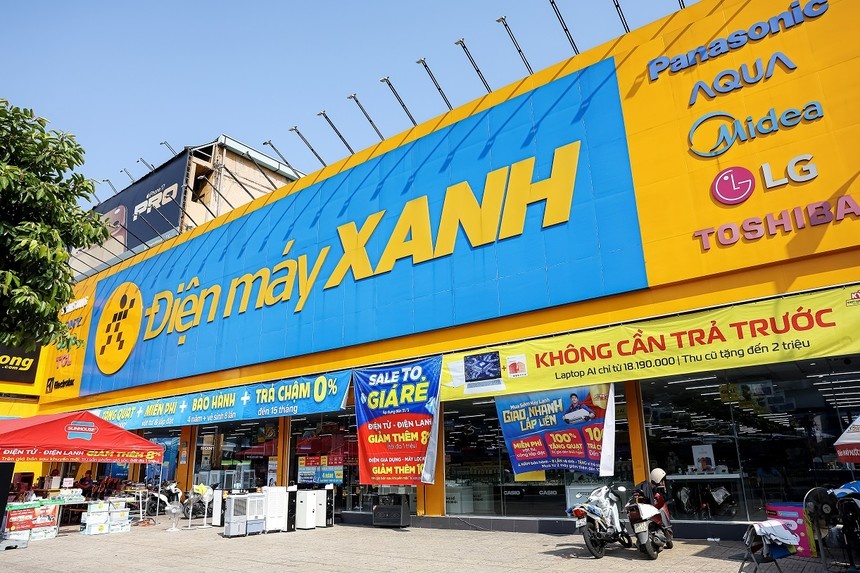
The ICT and consumer electronics retailer said it has achieved 53 per cent of its full-year revenue target of $4.9 billion. Same-store sales increased 32 per cent during the first six months of the year, while the domestic store network remained unchanged with no new openings.

Second-quarter revenue reached $1.32 billion, an increase of 29 per cent on-year. Consumer electronics accounted for 45 per cent of second-quarter revenue, up from 41 per cent in the first quarter, due to hot summer weather supporting air conditioner sales.

Quarterly air conditioner sales rose 71 per cent, while first-half air conditioner sales increased 60 per cent. Sales of home appliances, refrigerators and laptops each grew 35 per cent during the first six months.

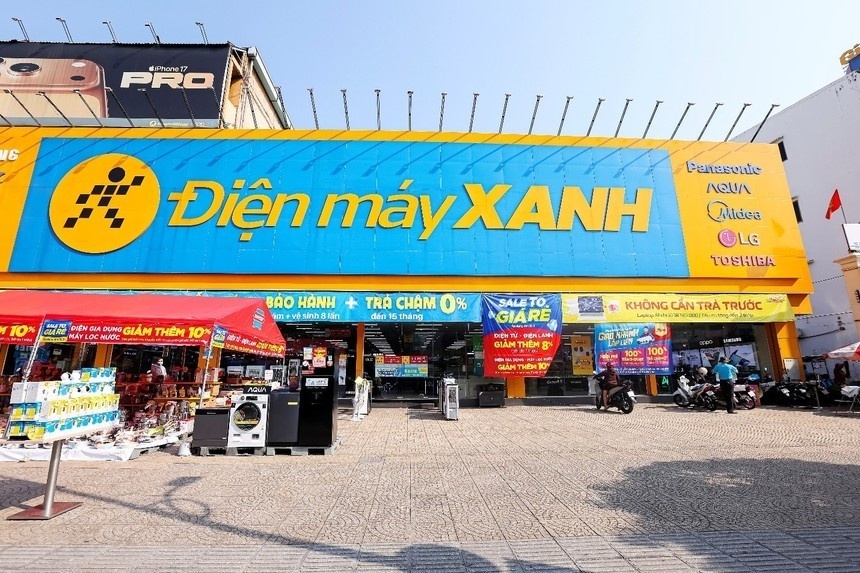
Same-store sales drive Dien May Xanh's first-half revenue

In the ICT category, Apple sales (TopZone chain) remain the strongest driver with 50 per cent growth on-year, with other sub-categories also deliver double-digit growth consistently.

Alternative sales channels also contributed to growth. Financed purchases increased 49 per cent on-year and represented 38 per cent of total revenue, compared with 35 per cent in the same period last year. DMX said 96 per cent of its products were eligible for consumer financing.

Gross merchandise value from utility payment and agent banking services reached $2.24 billion across 36 million transactions during H1. Digital channels, including DMX’s Super App and online platforms, generated $283.4 million, accounting for 11 per cent of total revenue. The DMX Technician service business reported revenue of $75.7 million, up 47 per cent from a year earlier.

Outside Vietnam, DMX’s Erablue joint venture in Indonesia recorded revenue growth of 92 per cent, supported by 17 per cent same-store sales growth. The business added 146 stores compared with a year earlier, including 80 since the beginning of January, bringing its network to 261 stores.

The stellar Q1 business results follow the company’s recent initial public offering, which raised more than $532 million at a price of VND80,000 ($3.20) per share. The offering recorded a 93 per cent subscription rate, with domestic and international institutional investors accounting for 90 per cent of subscriptions.

DMX shares are scheduled to begin trading on the Ho Chi Minh City Stock Exchange in August.

Staff member of Dien May Xanh in Danang tests positive for COVID-19 Staff member of Dien May Xanh in Danang tests positive for COVID-19

A female staff of electronics retail chain Dien May Xanh in Danang has just tested positive for COVID-19 after communicating with two infected British tourists.

Indonesia-Vietnam retail chain EraBlue targets $790 million by 2030 Indonesia-Vietnam retail chain EraBlue targets $790 million by 2030

EraBlue, an Indonesian consumer electronics retail chain joint venture between Vietnam’s Dien May Xanh and Indonesia’s PT Erajaya Swasembada, is targeting annual revenue of $790 million by 2030.

Dien May Xanh plans $574 million IPO to fund regional expansion Dien May Xanh plans $574 million IPO to fund regional expansion

Vietnam’s leading consumer electronics retail chain Dien May Xanh is planning to raise more than $574 million through an initial public offering (IPO) to fund its transition towards high-margin service segments and regional expansion.

Dien May Xanh's IPO raises over $500 million
Photo: tinnhanhchungkhoan.vn

Announced on July 1, the initial public offering (IPO) will see Dien May Xanh (DMX) shares begin trading on the Ho Chi Minh City Stock Exchange in August.

On June 30, the company’s Board of Directors issued Resolution No.14/NQ/HĐQT/ĐMX-2026, approving the results of the IPO. A total of 166,438,500 shares were successfully allocated (equivalent to 93 per cent of the offered volume and representing 13.1 per cent of the company’s voting shares after the offering) to 2,646 investors.

In finalising the allocation, the Board of Directors approved the further allocation of part of the 13,386,900 shares that remained unsold. Accordingly, Robert Alan Willett, a member of the Board of Directors, subscribed for 325,000 shares at VND80,000 ($3.08) per share, for a total value of VND26 billion ($1 million); these shares are subject to a one-year transfer restriction from the close of the offering in accordance with regulations. The remaining 13,061,900 unsold shares were cancelled and not counted towards the company’s charter capital.

At the IPO price of VND80,000 per share, the actual proceeds from the transaction reached more than VND13.32 trillion (over $500 million). The completion of the IPO will raise DMX’s charter capital from VND11.01 trillion ($423.46 million) to VND12.68 trillion ($487.69 million), corresponding to 1,267,722,000 shares outstanding – a scale that secures DMX’s position as the CE/ICT retailer with the largest charter capital in the market.

The offering results further confirm DMX as one of the most closely watched transactions on the stock market, drawing the participation of nearly 30 institutional investors representing close to 60 domestic and foreign investment funds, alongside nearly 2,600 individual investors. These financial institutions absorbed up to 90 per cent of the total registered volume; of which foreign institutional capital played the leading role at 73 per cent, with domestic institutions accounting for 17 per cent.

With 90 per cent of the volume held by institutional investors and long-term funds, DMX’s shareholder base is regarded as high in quality. This reflects institutional investors’ long-term confidence in the business and helps mitigate short-term profit-taking pressure once the shares begin trading. Following the IPO, Mobile World Investment Corporation holds nearly 86 per cent of DMX’s charter capital.

This is a notable outcome, as the transaction – exceeding half a billion US dollars in size – was executed during a period of heightened market volatility, marked by intensifying net selling by foreign investors. Despite this backdrop, major international capital still chose to invest in DMX.

The foundation for the successful IPO is Dien May Xanh’s steady business growth. In the first five months of 2026, consolidated net revenue reached more than $2 billion, up 33 per cent on-year and completing 45 per cent of the full-year plan after only 5 of 12 months.

This growth was driven entirely by deeper market penetration, with same-store sales growth maintained at 33 per cent while no new stores were opened in Vietnam during the period. In Indonesia, the Erablue chain reached 245 stores, with revenue up 93 per cent on-year.

On the back of this momentum, DMX is on track to exceed its 2026 plan, with revenue and net profit after tax projected to grow 30 per cent and 50 per cent on-year, respectively. This provides the foundation for DMX to deliver on its commitment to pay a cash dividend of VND4,000 (15.4 US cents) per share immediately after listing, equivalent to a 5 per cent dividend yield on the IPO price.

Indonesia-Vietnam retail chain EraBlue targets $790 million by 2030 Indonesia-Vietnam retail chain EraBlue targets $790 million by 2030

EraBlue, an Indonesian consumer electronics retail chain joint venture between Vietnam’s Dien May Xanh and Indonesia’s PT Erajaya Swasembada, is targeting annual revenue of $790 million by 2030.

Dien May Xanh posts over $40,000 profit per hour in Q1 Dien May Xanh posts over $40,000 profit per hour in Q1

Dien May Xanh, Vietnam’s leading consumer electronics and home appliance retailer, recorded average profits of more than $40,000 per hour in the first quarter, as it accelerates ecosystem expansion ahead of a planned IPO this year.

Dien May Xanh plans $574 million IPO to fund regional expansion Dien May Xanh plans $574 million IPO to fund regional expansion

Vietnam’s leading consumer electronics retail chain Dien May Xanh is planning to raise more than $574 million through an initial public offering (IPO) to fund its transition towards high-margin service segments and regional expansion.

For decades, investment migration has largely been tied to financial capital, with investors seeking overseas residency typically expected to commit substantial funds to real estate, businesses, or government-approved vehicles.

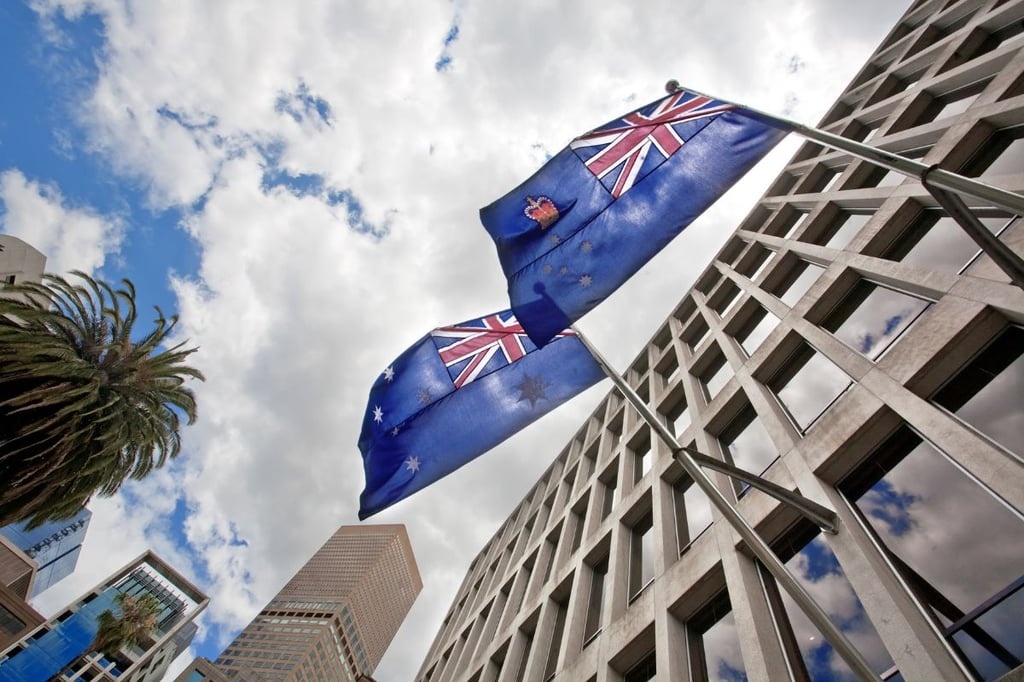
Australia is now taking a different approach. Following the termination of its Business Innovation and Investment Programme in 2024, the government has introduced the National Innovation Visa (NIV) to attract entrepreneurs, founders, investors, researchers, and individuals with notable international achievements.

Australia shifts immigration focus from capital to talent

With the introduction of the NIV programme, the country is signalling a broader shift in immigration policy – from attracting capital to attracting capability. The programme places greater emphasis on an individual’s ability to generate innovation, commercialise ideas and contribute to Australia’s long-term economic growth than on the size of their investment portfolio. Rather than replacing one investment visa with another, Australia has redefined what it considers to be a valuable economic contribution.

Human capital takes centre stage

The decision reflects a broader transformation in Australia’s economic priorities.

As industries such as AI, advanced manufacturing, clean energy, biotechnology and digital technologies reshape the global economy, governments are increasingly competing for highly skilled entrepreneurs, researchers, and innovators instead of simply competing for investment dollars.

Under this strategy, individuals with internationally recognised achievements, commercial innovation, research excellence or leadership in priority industries are viewed as long-term economic assets capable of creating businesses, developing new technologies, generating employment and strengthening national competitiveness.

In this context, human capital has become as strategic asset alongside financial capital.

A global race for talented entrepreneurs

Australia is not alone.

Across developed economies, immigration policy is increasingly being used as an economic development tool. Rather than measuring applicants solely by their net worth, governments are placing greater value on intellectual property, entrepreneurial achievements, research output, industry recognition and the potential to contribute to future-focused sectors.

The National Innovation Visa reflects this direction by targeting individuals whose expertise aligns with Australia’s strategic priorities, including AI, cybersecurity, advanced manufacturing, health and medical technologies, clean energy, fintech, agri-tech and other innovation-driven industries.

The objective extends beyond attracting successful individuals. It is about strengthening Australia’s capacity to innovate, improve productivity and remain globally competitive over the coming decades.

Australia shifts immigration focus from capital to talent

Over the past decade, Vietnam has emerged as one of Southeast Asia’s fastest-growing innovation ecosystems. A new generation of entrepreneurs has built technology companies, expanded into international markets, secured overseas investment, registered intellectual property and collaborated with multinational corporations, research institutions and global universities.

Achievements that were once viewed primarily as professional milestones are increasingly becoming valuable credentials within Australia’s talent-focused immigration framework.

For founders, technology executives, researchers and specialists, the strength of a professional profile may now carry greater weight than the size of an investment.

A great opportunity for Vietnamese entrepreneurs

The changing landscape also creates new opportunities for Vietnamese professionals and business leaders.

Rather than asking how much capital an applicant can invest, the conversation is increasingly centred on what value that individual can create for the economy over the long term.

Professional achievements, innovation capability, commercial impact, industry leadership and international recognition are becoming important indicators of an applicant’s potential contribution.

For many globally minded entrepreneurs, investing in personal capability, through innovation, expertise and a proven track record, has become an investment in itself.

Australia shifts immigration focus from capital to talent

As governments compete more aggressively for world-class talented professionals, investment migration is evolving beyond financial resources. It demands a carefully structured strategy that presents an applicant’s achievements, experience and long-term contribution in a way that aligns with national priorities.

With more than three decades of experience in immigration law across multiple jurisdictions, Harvey Law Group advises entrepreneurs, business leaders and highly skilled professionals on developing competitive profiles and identifying immigration pathways aligned with their long-term global ambitions. For more information about the National Innovation Visa, please contact Harvey Law Group at +84 91 444 1016.

Australia provides $1.3 million to support joint research projects with Vietnam Australia provides $1.3 million to support joint research projects with Vietnam

On June 16, a new partnership to fund collaborative research projects between Australia and Vietnam is open.

Powering Vietnam’s climate transition Powering Vietnam’s climate transition

The Australian government on May 26 announced a commitment of up to $10 million for venture capital firm Do Ventures Fund II, providing capital for climate-focused Vietnamese businesses and strengthening Vietnam’s climate investment market to attract greater private finance.

Vietnam and Queensland deepen education ties to power innovation Vietnam and Queensland deepen education ties to power innovation

On April 15, the National Innovation Centre (NIC) under the Ministry of Finance, in collaboration with Trade and Investment Queensland (TIQ), hosted the Education for Innovation Showcase in Hanoi, bringing together around 80 representatives from government agencies, universities, research institutes and businesses across Vietnam and Australia.

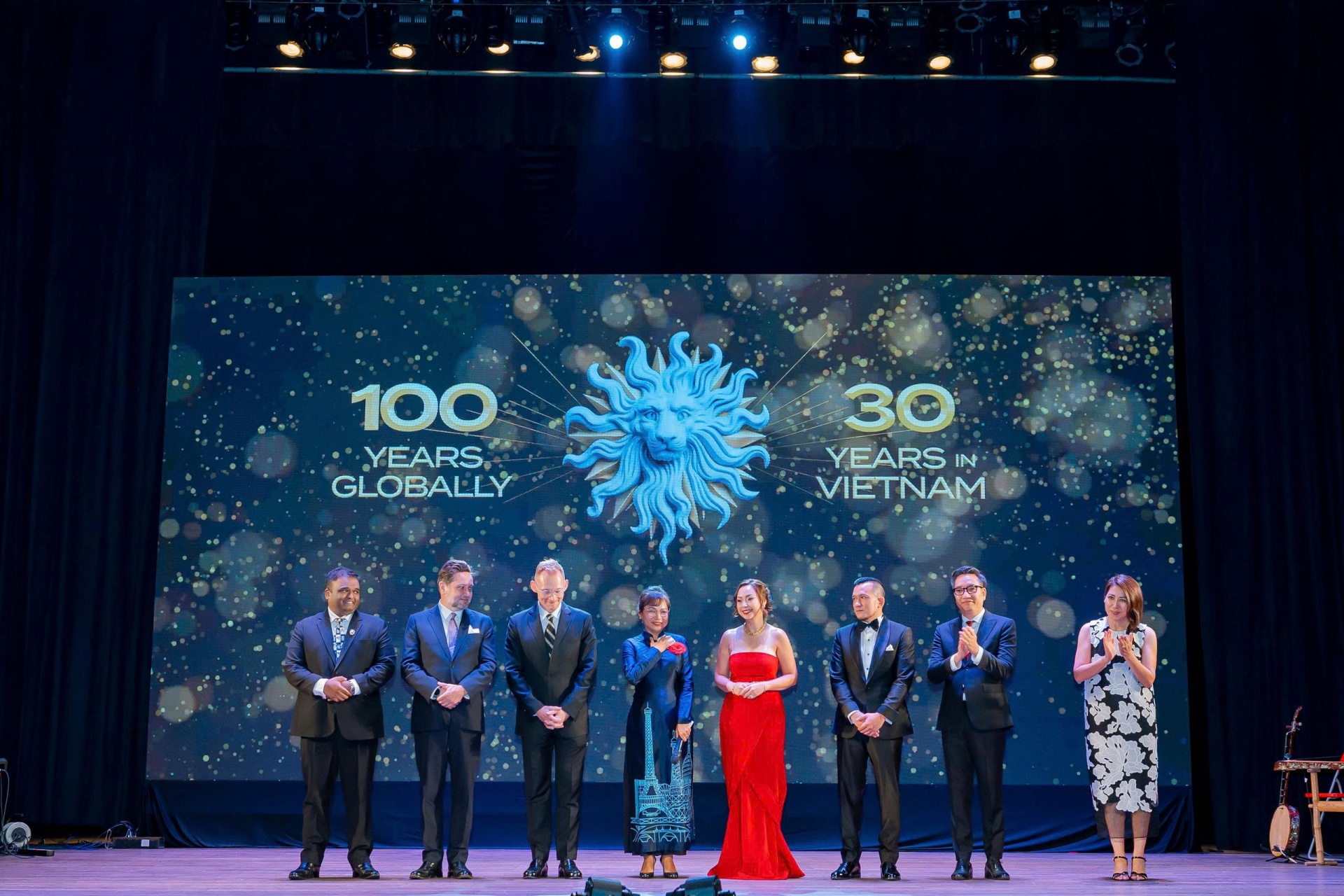
More than a commemoration of history, the occasion is an opportunity to reflect on a legacy of reinvention, honour the people who have shaped that journey, and look to the future of communication – marketing transformation in Vietnam.

Publicis Groupe marks century of excellence globally and three decades in Vietnam
Publicis Groupe Vietnam’s leadership team on stage, expressing their gratitude to the talents, clients and partners who have accompanied the company on its journey in Vietnam

From its origins as a small creative hot shop in Montmartre, Paris in 1926, Publicis Groupe has transformed into the industry’s leading holding company employing more than 114,000 professionals across 100 markets with globally recognised capabilities under an integrated model.

What began as a pioneering office in Vietnam with just 15 people in 1996 has evolved into the country’s market-leading group, now home to 10 agency brands with 700 people.

Publicis Groupe was the first international communications group to establish an official legal presence in Vietnam through the Saatchi & Saatchi and Leo Burnett representative offices, before they united under the goup umbrella.

Building on this early foundation and driven by tireless efforts, Publicis Groupe Vietnam has gone on to make its mark in some of the most prestigious international creative arenas, including the market’s first Cannes Lions Award in 2007, and in recent years, Clio Awards, New York Festivals Advertising Awards, Spikes Asia, AdFest, Effie APAC Awards and MMA Smarties, reflecting the strength of both creative excellence and marketing effectiveness.

Locally and regionally, Publicis Groupe Vietnam has also built a consistent track record as Campaign Asia’s Agency of the Year, with recognitions across Creative, Media, Digital Innovation and PR, underscoring the breadth of its integrated capabilities. Each accolade stands as a powerful testament to the integrated strength of the Power of One model and a bold statement of Vietnamese creative talent on the global stage.

Over the past three decades, as Vietnam has emerged as one of Asia’s most dynamic markets, Publicis Groupe Vietnam has grown alongside the country’s transformation, continuously expanding its capabilities, investing in talent and supporting clients across an increasingly connected and competitive landscape.

Speaking at the celebration, Hoang Thi Mai Huong, chairwoman of Publicis Groupe Vietnam, said, “At the heart of our 30 years of success in Vietnam are two essential elements: our incredible people – while technology can work wonders, it’s their passion and creativity that bring our work to life with a soul, and our deep love and respect for Vietnamese culture, which not only helps creates our most effective campaigns, but also fills our hearts with joy.”

Kate Bayona-Garcia, CEO of Publicis Groupe Vietnam, added, “We are celebrating the people who made Publicis Groupe Vietnam what it is today – our visionary clients who trust us with their bold ambitions, our dedicated partners who help us make the impossible possible, and of course, our brilliant talents whose creativity and devotion are the living heartbeat of our journey.”

“We are also celebrating our spirit of courage and resilience to go through uncomfortable transformations if it means fuelling growth for our clients and our people. A decade ago, we radically dismantled our agency silos to form the ‘Power of One,’ preparing us for the future that is now before us. Today, as we step into a new century of change driven by AI, it is this same spirit that assures me our best years are still ahead of us,” she said.

Publicis Groupe to acquire HEPMIL Media Group Publicis Groupe to acquire HEPMIL Media Group

Publicis Groupe has entered into a definitive agreement to acquire HEPMIL Media Group, Southeast Asia’s preeminent influencer agency.

Vietnam keeps tabs on digital advertising Vietnam keeps tabs on digital advertising

The Vietnamese government’s new initiative on cross-border advertisement on digital platforms like YouTube, Google, and Facebook is deemed a step up from previous legislation, particularly regarding censorship and tax obligations.

AI reshapes media and advertising industry AI reshapes media and advertising industry

AI is increasingly becoming a core driver behind the transformation of the global media and advertising industry.

Supply chain transparency has become a top priority for fashion brands and the textiles industry. What are the key factors driving this shift?

Lynch: Adoption is largely being driven by tightening global regulation, shifting trade dynamics, and increasing demand for evidence-backed origin claims from regulators, brands and consumers.

The future of textile traceability: Building trust through science
Oritain chief customer officer Gemma Lynch

Despite widespread investment in traceability, supply chain risk continues to persist, as our 2026 Supply Chain Intelligence Report found that 90 per cent of brands analysed in our 2025 Market Insights Programme had at least one result consistent with prohibited cotton, highlighting the limitations of documentation-based approaches and accelerating demand for independent verification.

The market is evolving towards continuous, programmatic verification models, where origin verification becomes embedded into ongoing supply chain and sourcing strategies rather than treated as a one-off compliance exercise.

What are the biggest challenges brands and textiles supply chains face today in proving the authenticity and origin of their raw materials?

Lynch: Regulatory scrutiny is heightening across multiple markets, from the US with the evolving tariff landscape, recent Section 301 investigations, and an uptick in enforcement due to the Executive Order “Strengthening Customs Enforcement,” to the EU Forced Labour Regulation and impending EU Deforestation Regulation. This environment highlights that documentation alone is no longer sufficient in complex, multi-tier supply chains, particularly where raw material origin is under regulatory scrutiny.

A verification-first approach enables companies to take a proactive approach, and identifying and addressing inconsistencies early, providing stronger, evidence-based support for compliance and reducing the risk of disruption.

More broadly, it reinforces the need for resilient supply chains built on independent verification of the physical product, ensuring companies can maintain market access and confidence in a rapidly evolving regulatory landscape.

Kyungbang has become the first spinning mill to join Oritain’s membership programme. What motivated this decision, and how important is it to Kyungbang and the Vietnamese textiles industry?

The future of textile traceability: Building trust through science
Kyungbang chairman Joon Kim

Kim: Kyungbang believes that a trusted supply chain will be one of the most important competitive advantages for the textiles industry in the years ahead.

Joining Oritain’s membership programme reflects our long-term commitment to transparency, traceability, and responsible sourcing.

As the first spinning mill to join the programme, our goal is not simply to meet customer expectations, but to help strengthen supply chain credibility and contribute to setting a higher standard for the industry.

Kyungbang’s membership spans its operations in South Korea and two spinning mills in Vietnam. As a global yarn supplier operating at the earliest stage of the textiles supply chain, Kyungbang’s commitment to ongoing, programmatic origin verification sets a new standard for the spinning sector, and gives its customers worldwide access to independently verified origin claims backed by forensic science.

Through Oritain’s membership programme, Kyungbang will supply customers worldwide with products verified through independent forensic authentication. We expect this to receive strong support from market participants, and we are committed to ensuring we consistently deliver integrity and responsible trust to our customers

For Vietnam, as the country moves towards mandatory digital traceability for textiles products, Kyungbang’s participation in Oritain’s global membership programme positions its Vietnam operations at the forefront of the industry’s transition from documentation-based traceability to independent, science-backed origin verification, helping strengthen trust, support compliance, and enhance the competitiveness of Vietnam’s textiles sector in global markets.

We also hope this initiative will support the global competitiveness of Vietnam’s textiles industry and further strengthen its reputation as a trusted sourcing destination.

How does joining Oritain’s membership programme align with Kyungbang’s long-term vision for sustainability, innovation, and customer trust?

Kim: At Kyungbang, sustainability extends beyond environmental responsibility to include supply chain transparency and customer trust.

Our partnership with Oritain provides a meaningful foundation for demonstrating these values through independent scientific verification.

We have continuously strengthened not only our product quality and manufacturing excellence, but also our commitment to traceability and responsible business practices.

Going forward, we will continue creating sustainable value by being a trusted partner for our customers and stakeholders.

What innovations is Oritain developing to make provenance testing even more scalable and accessible for the industry?

Lynch: Oritain verifies the product itself using forensic science, rather than relying on documents, certifications or digital systems that depend on supplier-reported data.

Our methodology analyses the intrinsic characteristics of a material to determine whether it is consistent with its claimed origin, providing a tamper-resistant and independent source of truth.

Oritain continues to invest heavily in scientific research and development, extending its forensic origin verification capabilities beyond cotton into additional materials including leather, another of the world’s most highly scrutinised materials due to deforestation concerns. This broadens access to provenance testing across more product categories and enables brands to apply the same rigorous verification standards throughout their supply chains.

Through our membership model, Oritain is creating a global network of origin-verified buyers and suppliers that share a common, science-based source of truth. This approach moves the industry from one-off testing towards programmatic verification at scale, helping suppliers demonstrate credibility to multiple buyers while giving brands greater visibility, confidence and transparency across their sourcing ecosystems. This innovation ensures greater accessibility to the most robust forensic verification programmes and ensures a continuously scalable model across global supply chains.

This delivers greater value by enabling brands to substantiate claims with evidence and giving consumers increased confidence that product origin aligns with what is being communicated.

What additional investments is Kyungbang making to strengthen responsible sourcing, sustainability, and supply chain resilience?

Kim: Kyungbang will continue investing in greater supply chain transparency, operational resilience, and sustainable manufacturing across our global operations.

Our priorities include expanding digital traceability systems, strengthening partnerships with suppliers, improving manufacturing efficiency, and investing in environmentally responsible production technologies.

We will also continue enhancing our responsible sourcing practices in line with internationally recognised sustainability standards to meet the evolving expectations of global customers.

Vietnam is a key manufacturing base for Kyungbang. We will continue investing in technology, people, and production capabilities to support sustainable growth and strengthen our global competitiveness.

About Oritain

Oritain is a global leader in forensic origin verification. Using cutting-edge science, advanced technology, and specialised services, the group independently verifies where products and raw materials come from – protecting brand integrity, supporting compliance, and strengthening supply chain trust and transparency.

Its method is resistant to tampering, court-admissible, and trusted by suppliers and manufacturers, brands and retailers, consumers, and regulators. Purpose driven, it is committed to advancing the scientific techniques and systems needed to identify the origin of the world’s most critical commodities – enabling more ethical, resilient, and accountable supply chains.

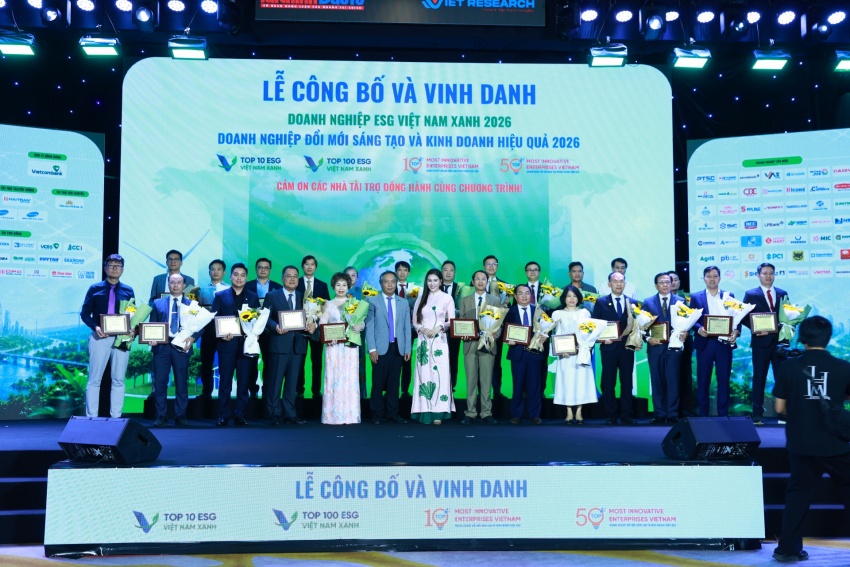
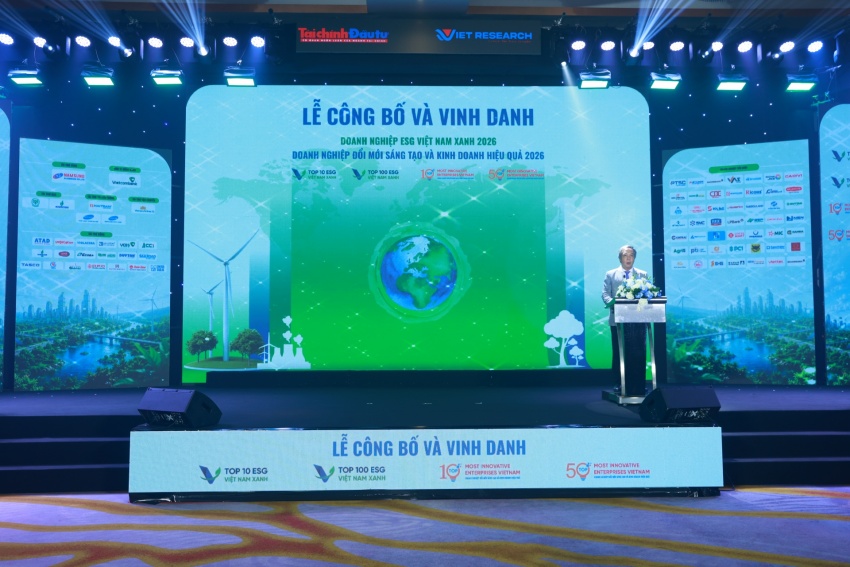
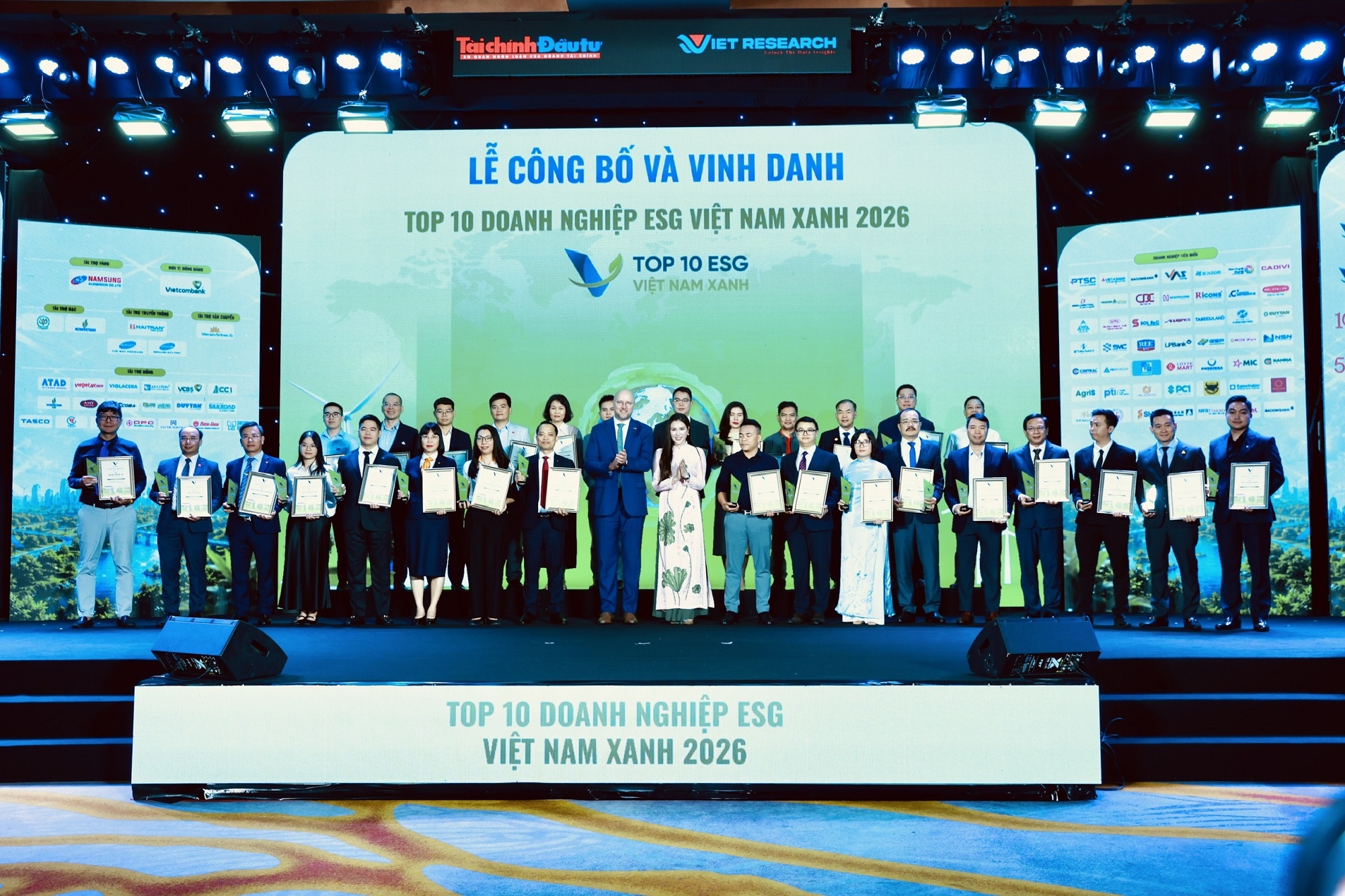
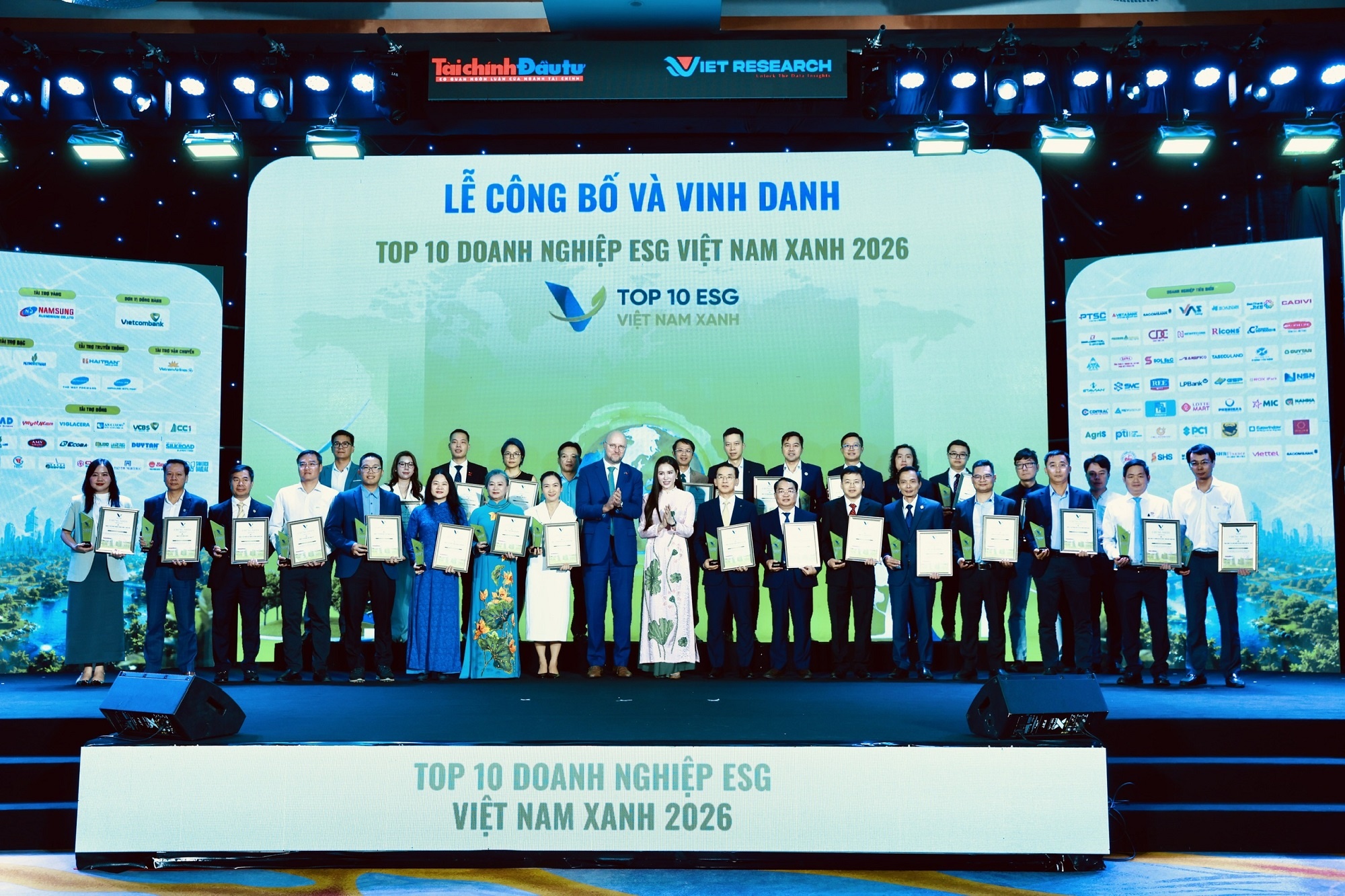
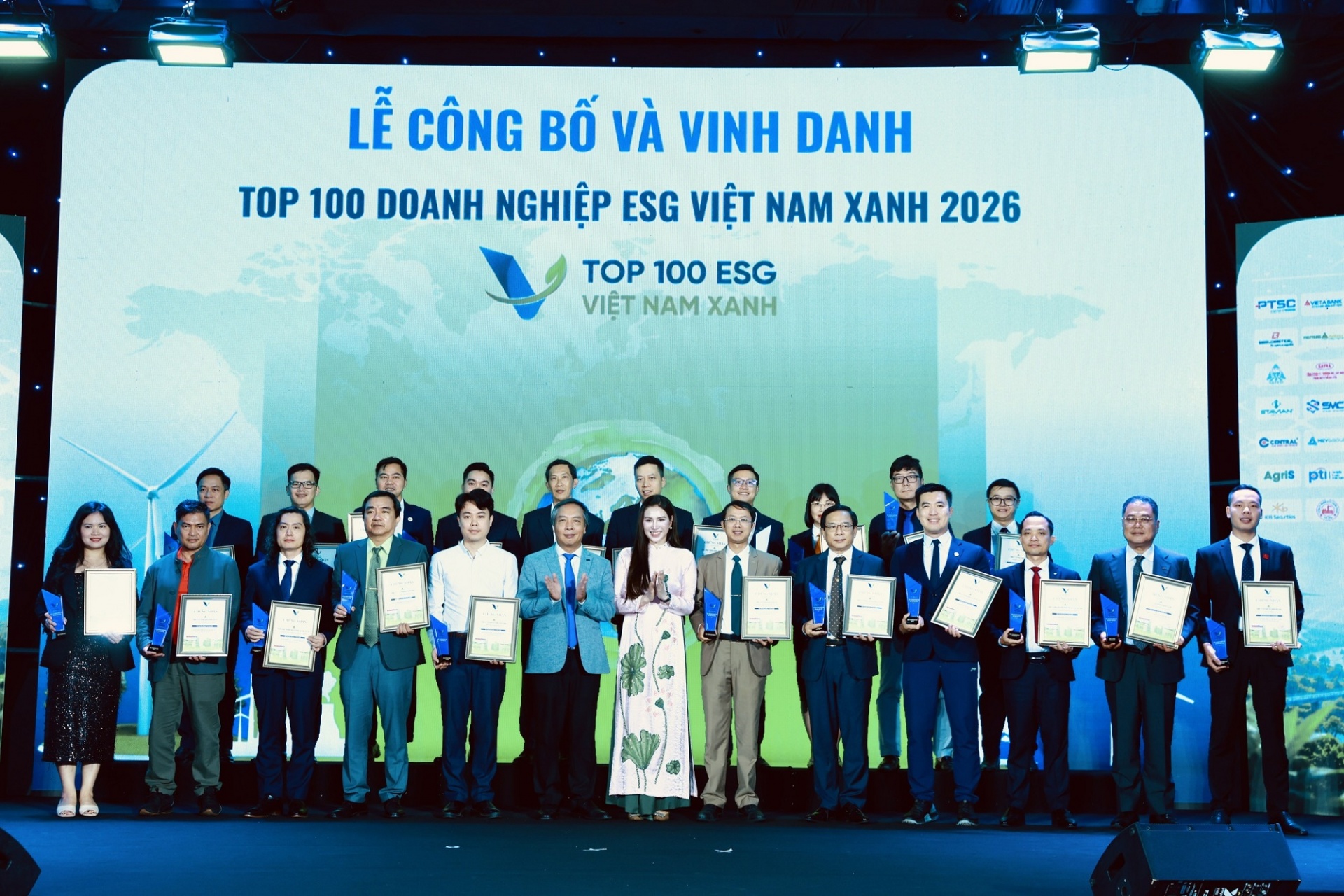
The awards were announced on June 26, jointly organised by VIR and Viet Research in their second year, reinforcing their role as a credible benchmark for embedding environmental, social and governance (ESG) in Vietnam.

Leading ESG enterprises for advancing sustainable growth honoured
Photo: Chi Cuong

Based on Viet Research’s assessment methodology, the rankings recognise outstanding enterprises across 16 major economic sectors, including banking, finance and securities, real estate, construction, retail, logistics, technology and telecommunications, tourism, pharmaceuticals, high-tech agriculture, food and beverages, energy, manufacturing, and media.

The honoured companies were recognised for their business performance and for integrating ESG standards into their core strategies, demonstrating a strong commitment to responsible growth and long-term value creation.

According to a survey of ESG100 and ESG10 enterprises, 95 per cent have made concrete commitments to reducing carbon emissions in their production and business operations, while 93 per cent have established targets aligned with net-zero ambitions or broader sustainability objectives.

The findings reflect a growing shift among Vietnamese businesses as ESG moves from a compliance requirement to a strategic priority. Many companies are accelerating investments in cleaner production, technological innovation and corporate governance while strengthening their resilience amid an increasingly competitive global business environment.

Leading ESG enterprises for advancing sustainable growth honoured

Speaking at the ceremony, Le Trong Minh, VIR’s deputy editor-in-chief, said the ESG100 and ESG10 rankings reflect the Vietnamese business community’s growing aspiration for sustainable development. “The enterprises recognised today have integrated ESG standards, green growth and corporate social responsibility into their long-term development strategies,” he said.

He noted that as global competition intensifies and international markets place greater emphasis on governance, environmental performance and social responsibility, ESG has become an increasingly important measure of corporate competitiveness.

“The enterprises honoured today stand out for their long-term vision, innovative management capabilities, and their ability to create sustainable value for shareholders, employees, customers, partners, communities, and the environment,” Minh said.

He added that these achievements demonstrate Vietnamese enterprises are capable of achieving faster and more efficient growth while becoming greener, more responsible and more sustainable.

The organisers also highlighted the broader transformation taking place across Vietnam’s corporate sector. Despite continued uncertainty in the global economy and the country’s ongoing economic restructuring, many businesses have maintained strong growth by embracing innovation, improving governance, and accelerating digital transformation alongside ESG implementation.

Beyond expanding production and strengthening their brands, many companies are pursuing long-term competitiveness through green growth strategies, technological adoption and responsible business practices that generate positive impacts for society and the environment.

These efforts are contributing to the emergence of a new generation of Vietnamese enterprises that are more innovative, more proactive in international integration and more committed to balancing economic performance with social responsibility and environmental protection.

According to the organisers, the annual ESG100 and ESG10 awards honour high-performing enterprises while fostering greater collaboration within the business community. It provides a platform for companies to exchange best practices in innovation, ESG implementation and green growth while exploring new strategic partnerships.

As Vietnam continues its transition towards a greener and more sustainable economy, the programme is expected to further strengthen the competitiveness and international standing of Vietnamese enterprises, supporting the country’s ambitions for sustainable and inclusive development.

Top 100 ESG Vietnam Green Enterprises announced for 2026
Top 10 ESG Vietnam Green Enterprises in key industries. Photo: Chi Cuong
Top 100 ESG Vietnam Green Enterprises announced for 2026
Top 10 ESG Vietnam Green Enterprises in key industries. Photo: Chi Cuong
Top 100 ESG Vietnam Green Enterprises announced for 2026
Top 100 ESG Vietnam Green Enterprises. Photo: Chi Cuong
Enterprises ready for ESG Enterprises ready for ESG

Eco and Environmental, Social, and Governance are essential requirements for Vietnamese enterprises to integrate into global value chains, experts revealed at the seminar “Economic Outlook 2026: FDI Businesses and the Roadmap for Vietnam’s Rise” held in Ho Chi Minh City on April 2.

Small business ESG strategies unlocked Small business ESG strategies unlocked

A true sustainability ecosystem requires global endorsement, genuine green financing, and technology solutions to lower the cost of implementation for businesses.

ESG must be translated into tangible action ESG must be translated into tangible action

Environmental, social and governance (ESG) is a long-term journey that requires businesses to start early, take concrete actions, and continuously improve over time, rather than waiting for a perfect starting point.

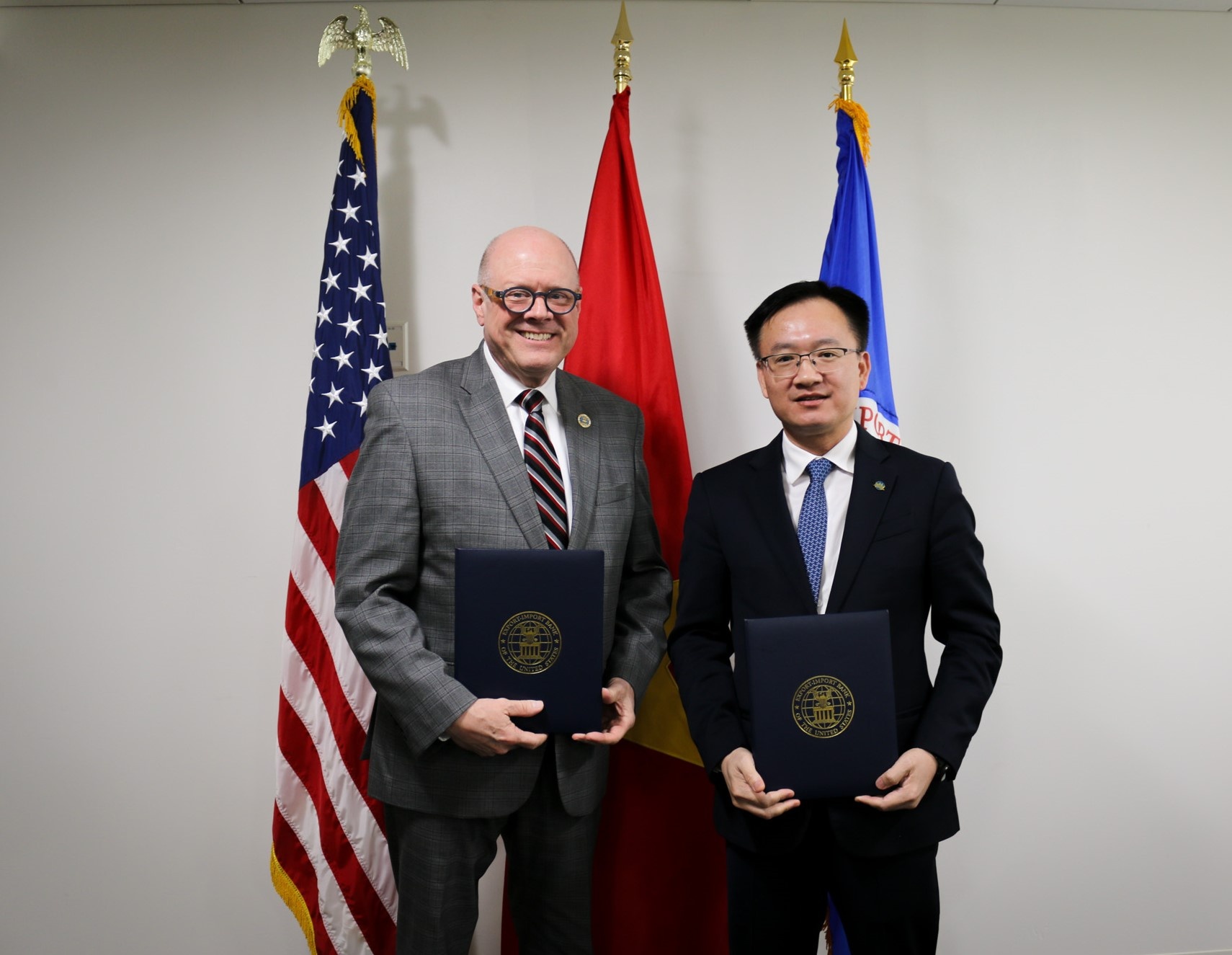
The commitment marks a significant milestone in the airline’s capital arrangement process, laying a favourable foundation for Vietnam Airlines to continue discussions with international lenders and advance its long-term fleet development strategy.

Vietnam Airlines secures preliminary backing for $2.9 billion aircraft financing package
EXIM’s Preliminary Commitment enhances Vietnam Airlines’ access to international financing sources at competitive costs while diversifying its funding channels. Photo: Vietnam Airlines

EXIM’s Preliminary Commitment will enhance Vietnam Airlines’ access to international financing sources at competitive costs while diversifying funding channels for the carrier’s key initiatives.

To date, Vietnam Airlines remains the first and only Vietnamese airline to receive EXIM export credit support for aircraft acquisition financing, including previous investments in Boeing 777 and Boeing 787 Dreamliner fleets.

The continued receipt of EXIM’s Preliminary Commitment for the 50-aircraft Boeing 737 MAX 8 project reflects Vietnam Airlines’ financial capability, reputation, and growth prospects, while also underscoring the confidence of the US government and financial institutions in the long-term development strategy of Vietnam’s national flag carrier.

Earlier, in February 2026, Vietnam Airlines signed an agreement in Washington, D.C. to purchase 50 Boeing 737 MAX 8 narrow-body aircraft. Under the plan, the aircraft are scheduled for delivery between 2030 and 2032.

The Boeing 737 MAX 8 fleet is expected to operate on domestic and regional Asian routes, meeting growing passenger travel demand as well as increasing air cargo transportation needs across the region.

The acquisition forms part of Vietnam Airlines’ long-term development plan aimed at sustaining double-digit average growth over the next five years, targeting total traffic of approximately 168 million passengers and more than 2.25 million tonnes of cargo.

In addition to supporting the project for 50 Boeing 737 MAX 8 aircraft, EXIM has also expressed its willingness to work with Vietnam Airlines in exploring financing solutions for other strategic projects involving US goods and services, including aircraft engines, maintenance, repair and overhaul (MRO) facilities, and related sectors.

To secure resources for large-scale investment projects, Vietnam Airlines is working with domestic banks and international financial institutions to develop appropriate financing structures, optimise investment efficiency, and strengthen financial risk management capabilities.

Vietnam’s aviation authority pushes shift to greener operations Vietnam’s aviation authority pushes shift to greener operations

The Civil Aviation Authority of Vietnam has instructed aviation stakeholders to study alternative fuels and gradually deploy sustainable aviation fuel, aiming to reduce greenhouse gas emissions and accelerate the sector’s energy transition.

Vietnam Airlines partners with 2C2P to expand digital payment options Vietnam Airlines partners with 2C2P to expand digital payment options

Vietnam Airlines has partnered with Southeast Asia’s leading full-suite payments platform 2C2P by Antom to expand payment options for customers across Asia-Pacific beyond traditional card payments.

Vietnam Airlines inaugurates nonstop Hanoi-Amsterdam service as first direct Vietnam-Netherlands route Vietnam Airlines inaugurates nonstop Hanoi-Amsterdam service as first direct Vietnam-Netherlands route

Vietnam Airlines has officially inaugurated its nonstop service between Hanoi and Amsterdam, becoming the first Vietnamese carrier to operate a direct route connecting Vietnam and the Netherlands.

Steel association proposes measures to boost exports
Illustrative photo courtesy of Hoa Phat Group

Speaking at the Ministry of Industry and Trade’s conference on encouraging double-digit export growth on June 25, Dinh Quoc Thai, vice chairman and secretary general of the Vietnam Steel Association (VSA), said the global steel industry was showing signs of recovery.

According to the World Steel Association, global steel production posted positive growth in the first four months of 2026, reflecting stronger manufacturing activity and rising demand from steel-consuming industries.

Vietnam’s steel industry has also experienced a broad-based recovery across the entire value chain, from raw material production to finished products.

Crude steel output reached 2.6 million tonnes in May, up 27.2 per cent on-year, marking the highest growth rate among the world’s top 10 steel-producing countries. Output totalled 12.6 million tonnes in the first five months of 2026, up 26.8 per cent compared to the same period last year.

Thai estimated that steel production would reach around 14.8 million tonnes in the first half of 2026, up 21.2 per cent on-year, while steel consumption is expected to increase 13.1 per cent to 17.9 million tonnes.

However, steel exports are projected to decline by 4.8 per cent to around 1.79 million tonnes during the same period.

Despite the weaker export performance, the VSA remains optimistic about the industry’s overall outlook. Crude steel output is forecast to reach approximately 27 million tonnes in 2026, up 10 per cent from the previous year. Finished steel production is expected to total around 33 million tonnes, while domestic consumption is projected to reach 28 million tonnes.

Steel exports are forecast at around 6 million tonnes for the full year, while imports are expected to decline compared to 2025.

“The combination of higher exports and lower imports is a positive signal,” Thai said. “This reflects effective domestic market management, trade policy measures introduced by the Ministry of Industry and Trade, and the improving ability of Vietnamese steel producers to meet market demand.”

Nevertheless, Thai warned that the industry would continue facing significant headwinds in the second half of the year.

Global steel overcapacity is driving an increasing number of trade protection measures in key export markets. The United States, for example, has imposed tariffs of up to 50 per cent on certain steel products under Section 232 of the Trade Expansion Act, while more trade remedy investigations targeting Vietnamese steel products have also been initiated.

At the same time, tightening greenhouse gas emission requirements and the gradual introduction of carbon border adjustment mechanisms across major markets are creating additional challenges for steel exporters.

Although Vietnam has improved domestic supplies of some raw materials, the country still relies on imports of iron ore, scrap steel and several other key inputs, Thai said.

Despite ongoing challenges arising from the global economic slowdown, prolonged geopolitical tensions and market volatility, the VSA believes Vietnam’s economy remains relatively resilient compared to other ASEAN countries, providing a solid foundation for the steel industry’s continued recovery.

To support sustainable development, the VSA identified two strategic priorities: protecting the domestic market from surging imports of low-priced steel and accelerating green and digital transformation to meet evolving market requirements.

The association also called for long-term policies to encourage domestic investment and production, alongside early implementation of regulations requiring imported steel products to comply with Vietnamese quality standards before entering the domestic market.

The VSA has also proposed strengthening trade remedy investigations to address unfair competition, while providing greater support for steel producers facing overseas trade defence cases to help maintain and expand export markets.

The association recommended accelerating the development of national technical standards for steel products and enhancing market monitoring and forecasting to enable businesses to respond more effectively to changing market conditions.

Economic press plays vital role in supporting businesses
Leong Boon Hoe, CEO Arcadia Consulting Vietnam

From our experience operating in Vietnam, I feel economic journalism plays an important role because it sits at the intersection of policy, business confidence and market understanding.

For businesses like ours, the market is not shaped only by transactions or investment appetite. It is also shaped by how clearly investors understand the direction of policy, the quality of infrastructure planning, the regulatory environment, and the longer-term ambition of the country. Good economic journalism helps bring these different pieces together in a way that is factual, balanced and useful, making it conducive for businesses to work within, forward, and to thrive.

It also gives businesses a constructive channel to reflect what is happening on the ground. Very often, the private sector sees early signs and signals from investor sentiment, operational bottlenecks, shifts in demand, or areas where policy execution can be improved. When reported responsibly, these insights can help government agencies better understand market realities without the conversation becoming adversarial.

Government to Business and Business to Government, and economic journalism plays an intersection role between Business and Government

As Vietnam enters its next phase of development, we hope the press in general, and VIR in particular, will continue to play this bridging role with independence, depth and a strong sense of responsibility. Vietnam is attracting serious international attention, but with that comes the need for clearer information, more thoughtful analysis and a more mature conversation between the public and private sectors.

For Arcadia Consulting, we value journalism that does not simply promote optimism, but helps explain why confidence is justified, where the challenges remain, and what needs to be done for Vietnam to continue attracting long-term, quality capital.

Economic press plays vital role in supporting businesses
Vlad Savin, Partner, Acclime Vietnam

On the occasion of Vietnam Revolutionary Press Day, Acclime would like to express our appreciation for the consistent role that the economic press, particularly Vietnam Investment Review, plays in supporting the business and investment community.

From our experience working closely with investors and companies on the ground, economic journalism serves a practical and wide-ranging role. It goes beyond reporting policies to reflect how the market is evolving across industries, how businesses operate in practice, and how investment trends are taking shape.

For many investors, especially those entering Vietnam for the first time, this broader perspective is essential. It helps them understand not only regulatory direction, but also how sectors are performing, how companies are adapting, and where opportunities are emerging. In this context, credible media like VIR plays an important role in connecting policy direction with real market dynamics, contributing to a clearer and more transparent investment environment.

VIR has maintained a strong position in this regard. Its coverage combines timely updates with deeper analysis, while bringing together perspectives from businesses, advisors, and policymakers. For Acclime, this provides a practical platform where technical insights and on-the-ground observations can be shared in a way that is relevant to both investors and state management agencies.

Over time, this exchange has helped improve mutual understanding across stakeholders and supported more informed discussions around market development and regulatory refinement.

Vietnam’s growth is increasingly driven by higher-value manufacturing, digitalisation, and sustainability requirements, making the role of economic journalism even more important. Beyond reporting trends, there is an increasing need for grounded insight into how supply chains are evolving, how investment decisions are shifting, and how businesses are responding to both global and domestic changes.

Going forward, we believe VIR can continue to strengthen its role as a reliable reference point by maintaining its focus on accuracy, balanced perspectives, and practical insight from across the market. Its ability to reflect both what is happening on the ground and the broader direction of the economy will remain essential for both the business community and policymakers.

At Acclime, we value our ongoing collaboration with VIR and look forward to contributing further to this shared objective of supporting a transparent and well-informed investment environment in Vietnam.

Economic press plays vital role in supporting businesses
Cao Minh Chuyen, Japan Small and Medium Enterprise Development JSC

The media plays an important role in bridging the gap between the day-to-day realities faced by businesses and the policymaking and regulatory processes of government authorities. In production and business activities, particularly in the industrial real estate sector, enterprises are constantly affected by a wide range of factors, including market fluctuations, rising input costs, investment procedures, infrastructure requirements, labour availability, environmental regulations, and shifts in global supply chains.

If these issues are viewed solely from a regulatory perspective or through aggregated data, they may not fully capture the challenges, pressures, and expectations experienced by businesses on the ground.

Economic journalism serves as a valuable channel for conveying the pulse of the market. It helps reflect the realities of business operations, capture signals from the corporate community, and communicate legitimate recommendations to policymakers and relevant authorities. A well-researched, objective, and responsible article not only gives businesses a voice but also provides practical insights that can help ensure policies are more closely aligned with development needs.

For projects such as JSC, the media also plays an important role in promoting information about the investment environment, infrastructure development, and strategies to attract high-tech, advanced, and environmentally friendly industries. In doing so, it helps localities enhance their competitiveness in attracting investment.

As Vietnam enters a new phase of development, with greater emphasis on green growth, digital transformation, the quality of foreign direct investment inflows, and green development, we hope that the media in general, and Vietnam Investment Review in particular, will continue to serve as a trusted forum for businesses.

The media should continue to focus on substantive market issues, provide multidimensional perspectives and in-depth analysis, while also highlighting successful business models, sustainable industrial parks, and enterprises that make meaningful contributions to society.

AI and innovation reshape Vietnam’s journalism industry AI and innovation reshape Vietnam’s journalism industry

Technology is fast becoming a strategic cornerstone of modern journalism, influencing not only how news is produced and consumed, but also how media organisations sustain themselves in an increasingly competitive landscape.

Redefining journalism amid social media disruption Redefining journalism amid social media disruption

Vietnam’s revolutionary press has played a vital role in the country’s development for a century, from documenting key historical moments and shaping public opinion to reflecting social and economic changes.

AI pushes journalists to rethink roles, skills, and responsibility AI pushes journalists to rethink roles, skills, and responsibility

The rapid rise of AI is prompting journalists to reconsider how they work, learn, and adapt in a shifting media landscape.